

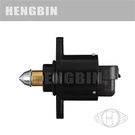
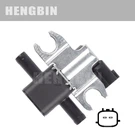

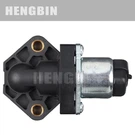

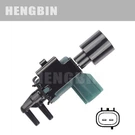
The Exhaust Gas Recirculation (EGR) vacuum solenoid valve plays a crucial role in the engine management system of a Lexus. It controls the flow of exhaust gases back into the engine's intake manifold, helping to reduce nitrogen oxide emissions and improve fuel efficiency. However, like any other component, the EGR vacuum solenoid valve can be prone to damage. As a trusted supplier of EGR vacuum solenoid valves for Lexus, I will share some effective ways to prevent damage to this important part.
Understanding the EGR Vacuum Solenoid Valve
Before delving into prevention methods, it's essential to understand how the EGR vacuum solenoid valve works. The valve is typically controlled by the vehicle's engine control unit (ECU). When the ECU sends a signal, the solenoid valve opens, allowing a certain amount of exhaust gas to be recirculated into the intake manifold. This process helps lower the combustion temperature, which in turn reduces the formation of nitrogen oxides.


Common Causes of EGR Vacuum Solenoid Valve Damage
- Carbon Deposits: Over time, carbon deposits can accumulate inside the EGR vacuum solenoid valve. These deposits can restrict the movement of the valve, preventing it from opening or closing properly. Carbon deposits are often a result of incomplete combustion in the engine.
- Contaminated Vacuum Lines: The vacuum lines connected to the EGR vacuum solenoid valve can become clogged with dirt, debris, or oil. This can disrupt the vacuum signal, causing the valve to malfunction.
- Electrical Issues: The solenoid in the valve is an electrical component. Loose connections, damaged wires, or a faulty ECU can lead to electrical problems, which may prevent the valve from receiving the correct signals.
- Excessive Heat: The EGR system operates in a high - temperature environment. Prolonged exposure to excessive heat can damage the solenoid coil and other internal components of the valve.
Prevention Strategies
Regular Maintenance
- Engine Tune - Ups: Regular engine tune - ups are essential for preventing carbon deposits. This includes changing the spark plugs at the recommended intervals, as worn - out spark plugs can cause incomplete combustion. A well - tuned engine burns fuel more efficiently, reducing the amount of carbon that can accumulate in the EGR system.
- Air Filter Replacement: A dirty air filter can restrict the airflow into the engine, leading to poor combustion. By replacing the air filter regularly, you can ensure that the engine receives a sufficient amount of clean air, which helps in complete combustion and reduces carbon buildup.
- Fuel System Cleaning: Using a high - quality fuel system cleaner can help remove carbon deposits from the fuel injectors, intake valves, and other components of the engine. This can also prevent carbon from reaching the EGR vacuum solenoid valve.
Vacuum Line Inspection
- Visual Inspection: Periodically inspect the vacuum lines connected to the EGR vacuum solenoid valve for signs of damage, such as cracks, leaks, or blockages. If you notice any issues, replace the damaged lines immediately.
- Cleaning: If the vacuum lines are dirty, you can clean them using a suitable cleaner. Make sure to blow out any debris or contaminants that may be inside the lines.
Electrical System Check
- Connection Inspection: Check the electrical connections to the EGR vacuum solenoid valve regularly. Ensure that the connectors are clean, tight, and free from corrosion. Loose or corroded connections can cause electrical problems and lead to valve malfunction.
- ECU Diagnosis: If you suspect an electrical issue, have the vehicle's ECU diagnosed by a professional. A faulty ECU may send incorrect signals to the EGR vacuum solenoid valve, causing it to operate incorrectly.
Heat Management
- Cooling System Maintenance: The vehicle's cooling system plays a vital role in managing the engine temperature. Make sure to keep the coolant level at the recommended level and replace the coolant at the specified intervals. A properly functioning cooling system can help prevent the EGR vacuum solenoid valve from being exposed to excessive heat.
- Heat Shield Inspection: Some vehicles are equipped with heat shields to protect the EGR system from excessive heat. Check these heat shields regularly for damage or displacement and repair or replace them as needed.
Our Product Offerings
As a supplier of EGR vacuum solenoid valves for Lexus, we offer a wide range of high - quality products. Our valves are designed to meet or exceed the original equipment manufacturer (OEM) specifications, ensuring optimal performance and reliability.
We have several products suitable for different automotive models. For example, the EGR Vacuum Solenoid Valve K5T48279 Is Suitable for Various Automotive Models Such As Haima is a versatile option that can also be used in some Lexus models. The EGR Vacuum Solenoid Valve K5T45872 Is Suitable for Various Automotive Models Such As Infiniti is another high - quality product that may be compatible with certain Lexus vehicles. And the EGR Vacuum Solenoid Valve K5T48677 Is Suitable for Various Automotive Models, Such As Nissan also has applications in the Lexus lineup.
Contact Us for Procurement
If you are in the market for EGR vacuum solenoid valves for your Lexus or other automotive models, we invite you to contact us for procurement. Our team of experts is ready to assist you in finding the right product for your needs. We offer competitive prices, fast shipping, and excellent customer service. Whether you are an automotive repair shop, a parts distributor, or an individual looking for a replacement part, we can provide you with the solutions you need.
References
- "Automotive Engine Management Systems" by John Heywood
- "Modern Automotive Technology" by James D. Halderman