



Hey there, fellow car enthusiasts! As a supplier of EGR vacuum solenoid valves, I've seen my fair share of issues with these little but crucial components. In this blog, I'm gonna walk you through how to troubleshoot an EGR vacuum solenoid valve problem.
First off, let's understand what an EGR vacuum solenoid valve does. The EGR (Exhaust Gas Recirculation) system is designed to reduce nitrogen oxide emissions by recirculating a portion of the exhaust gases back into the engine's intake manifold. The vacuum solenoid valve controls the flow of vacuum to the EGR valve, which in turn regulates the amount of exhaust gas that gets recirculated.
Now, let's move on to the signs that your EGR vacuum solenoid valve might be acting up. One of the most common symptoms is a check engine light on your dashboard. This can be triggered by a variety of issues related to the EGR system, and the solenoid valve is a prime suspect. You might also notice a decrease in engine performance, such as rough idling, poor acceleration, or even a decrease in fuel efficiency. Another tell - tale sign is a hissing sound coming from the engine area, which could indicate a vacuum leak caused by a faulty solenoid valve.
So, how do we start troubleshooting?
Step 1: Visual Inspection
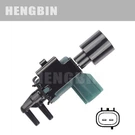
The first thing you should do is a visual inspection of the EGR vacuum solenoid valve. Pop the hood of your car and locate the valve. It's usually a small, rectangular or cylindrical component with vacuum hoses attached to it. Check for any obvious signs of damage, like cracks in the valve body or loose or damaged vacuum hoses. A loose hose can cause a vacuum leak, which will affect the operation of the valve. If you see any damaged hoses, you can replace them easily. You can find high - quality replacement hoses at most auto parts stores.
Step 2: Check the Vacuum Lines
Vacuum lines are crucial for the proper functioning of the EGR vacuum solenoid valve. You can use a vacuum gauge to check the vacuum pressure in the lines. Start by disconnecting the vacuum line from the solenoid valve and attaching the vacuum gauge. Then, start the engine and let it idle. A healthy vacuum pressure should be steady. If you notice any fluctuations or a very low vacuum pressure, there might be a blockage or a leak in the vacuum lines. You can trace the lines to find the source of the problem. Sometimes, dirt or debris can clog the lines. You can use compressed air to blow out any blockages.
Step 3: Electrical Testing
The EGR vacuum solenoid valve is an electrical component, so it's important to test its electrical connections. You'll need a multimeter for this. First, make sure the engine is off. Then, locate the electrical connector on the solenoid valve. Disconnect it and set your multimeter to the resistance (ohms) setting. Touch the multimeter probes to the terminals of the connector. The resistance value should match the specifications provided by the vehicle manufacturer. If the resistance is way off or there's no resistance at all, the solenoid valve might be faulty and need to be replaced.
Step 4: Functional Testing
After the electrical and visual inspections, it's time to do a functional test. You can use a hand - held vacuum pump for this. First, disconnect the vacuum line from the EGR valve and attach the hand - held vacuum pump to it. Then, apply vacuum to the valve. As you do this, you should hear a clicking sound from the solenoid valve, indicating that it's opening and closing properly. If you don't hear the clicking sound or if the valve doesn't seem to be responding to the vacuum, it's likely that the valve is defective.
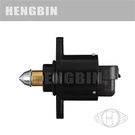
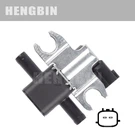
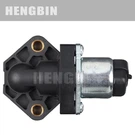
Now, if after all these troubleshooting steps, you've determined that the EGR vacuum solenoid valve is indeed faulty, don't worry! We've got a great selection of high - quality EGR vacuum solenoid valves to meet your needs. For example, we have the EGR Vacuum Solenoid Valve 25860 - 30070 Suitable for Various Automotive Models Such As Lexus, EGR Vacuum Solenoid Valves136200 - 2620 Suitable for Various Car Models Such As Toyota, and EGR Vacuum Solenoid Valve K5T46582 Suitable for Various Automotive Models Such As Infiniti. These valves are designed to meet or exceed OEM specifications and are built to last.
If you're in the market for a new EGR vacuum solenoid valve or need more information about our products, don't hesitate to reach out. Whether you're a professional mechanic or a DIY enthusiast, we're here to help you find the right solution for your vehicle.
References:


- Automotive Repair Manuals
- Manufacturer's Technical Documents about EGR Systems