



Are there any DIY repair methods for the solenoid valve on Honda motorcycles?
As a supplier of solenoid valves for Honda motorcycles, I often receive inquiries from motorcycle enthusiasts about DIY repair methods for solenoid valves. In this blog post, I'll share some insights on this topic, hoping it can help those who want to fix their Honda motorcycle solenoid valves on their own.
Understanding the Solenoid Valve on Honda Motorcycles
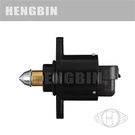
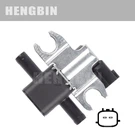
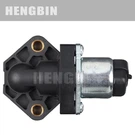
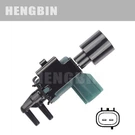
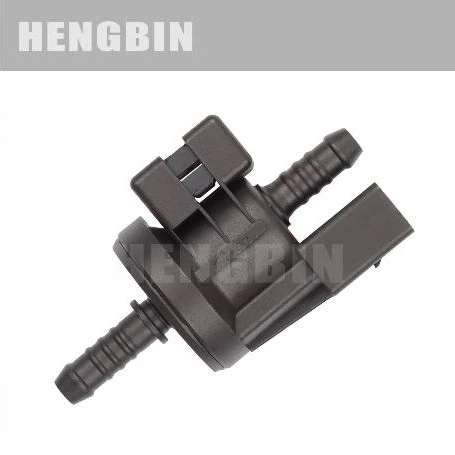
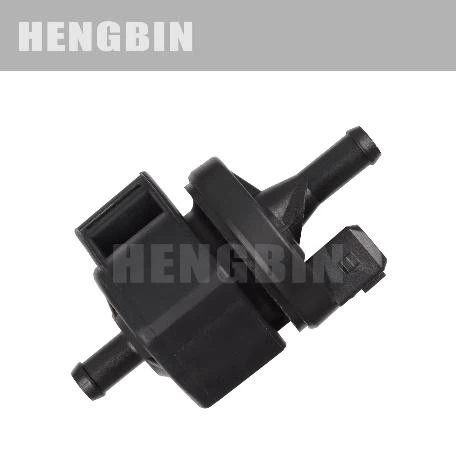
Before we dive into the DIY repair methods, it's essential to understand what a solenoid valve is and its role in a Honda motorcycle. A solenoid valve is an electromechanical device that controls the flow of fluids or gases in a system. In a Honda motorcycle, solenoid valves are commonly used in the fuel injection system, emissions control system, and other critical components.
The solenoid valve consists of a coil of wire, a plunger, and a valve body. When an electrical current is applied to the coil, it creates a magnetic field that moves the plunger, opening or closing the valve. This allows the motorcycle's engine control unit (ECU) to regulate the flow of fuel, air, or other fluids as needed.
Common Symptoms of a Faulty Solenoid Valve
Recognizing the symptoms of a faulty solenoid valve is the first step in diagnosing the problem. Here are some common signs that your Honda motorcycle's solenoid valve may be malfunctioning:
- Poor Engine Performance: A faulty solenoid valve can disrupt the fuel - air mixture, leading to rough idling, hesitation, or a loss of power during acceleration.
- Increased Emissions: If the solenoid valve in the emissions control system is not working correctly, it can cause the motorcycle to produce higher levels of pollutants, resulting in a failed emissions test.
- Check Engine Light: The motorcycle's ECU is designed to detect faults in the solenoid valve and other components. When a problem is detected, the check engine light will illuminate on the dashboard.
- Fuel Leaks: A damaged solenoid valve may develop leaks, which can be identified by the smell of fuel or the presence of fuel stains around the valve.
DIY Repair Methods for the Solenoid Valve
If you've identified that your Honda motorcycle's solenoid valve is faulty, here are some DIY repair methods you can try:
1. Visual Inspection
- Disconnect the Battery: Before starting any repair work, always disconnect the motorcycle's battery to prevent electrical shock.
- Locate the Solenoid Valve: Refer to your motorcycle's service manual to find the location of the solenoid valve. In most Honda motorcycles, the solenoid valve is located near the engine or the fuel injection system.
- Inspect the Wiring: Check the wiring harness connected to the solenoid valve for any signs of damage, such as frayed wires, loose connections, or corrosion. If you find any issues, repair or replace the wiring as necessary.
- Check the Valve Body: Inspect the valve body for any signs of physical damage, such as cracks or leaks. If the valve body is damaged, the solenoid valve may need to be replaced.
2. Testing the Solenoid Valve
- Using a Multimeter: A multimeter is a useful tool for testing the electrical resistance of the solenoid valve. Set the multimeter to the ohms setting and connect the probes to the terminals of the solenoid valve. The resistance value should be within the range specified in the motorcycle's service manual. If the resistance is too high or too low, the solenoid valve may be faulty.
- Listening for a Click: You can also test the solenoid valve by applying a 12 - volt power source to the terminals. When the power is applied, you should hear a clicking sound as the plunger moves. If you don't hear a click, the solenoid valve may be defective.
3. Cleaning the Solenoid Valve
- Remove the Solenoid Valve: Once you've confirmed that the solenoid valve is faulty, carefully remove it from the motorcycle. Follow the instructions in the service manual to avoid damaging any other components.
- Clean the Valve: Use a suitable cleaning solvent to clean the valve body and the plunger. Make sure to remove any dirt, debris, or carbon deposits that may be causing the valve to stick. You can use a small brush or a compressed air canister to clean hard - to - reach areas.
- Reassemble and Install: After cleaning, reassemble the solenoid valve and reinstall it on the motorcycle. Make sure all the connections are secure and the wiring harness is properly routed.
When to Replace the Solenoid Valve
In some cases, DIY repair methods may not be sufficient to fix a faulty solenoid valve. Here are some situations where you should consider replacing the solenoid valve:
- Severe Damage: If the solenoid valve is severely damaged, such as a cracked valve body or a broken plunger, it cannot be repaired and must be replaced.
- Failed Testing: If the solenoid valve fails the electrical resistance test or does not produce a clicking sound when power is applied, it is likely defective and needs to be replaced.
- Repeated Problems: If you've tried cleaning and testing the solenoid valve multiple times, but the problem persists, it may be time to invest in a new solenoid valve.
As a supplier of solenoid valves for Honda motorcycles, we offer a wide range of high - quality solenoid valves that are compatible with various Honda models. Our solenoid valves are designed to meet or exceed the original equipment manufacturer (OEM) specifications, ensuring reliable performance and long - lasting durability.
If you're interested in purchasing a solenoid valve for your Honda motorcycle, or if you have any questions about DIY repair methods, feel free to contact us for more information. We're here to help you keep your Honda motorcycle running smoothly.
In addition to Honda motorcycle solenoid valves, we also offer a variety of carbon canister solenoid valves for different car models. For example, you can check out our Carbon Canister Solenoid Valve 2530125A Is Suitable for Various Models, Such As Audi, Carbon Canister Solenoid Valve A11 - 1208210BA Suitable for Various Car Models Such As BYD, and Carbon Canister Solenoid Valve 06E906517A Suitable for Various Car Models Such As Audi.
Conclusion
DIY repair of the solenoid valve on a Honda motorcycle can be a rewarding experience, but it requires some technical knowledge and the right tools. By following the steps outlined in this blog post, you can diagnose and repair many common solenoid valve problems. However, if you're unsure about any aspect of the repair process, it's always best to consult a professional mechanic.
If you're in the market for a new solenoid valve for your Honda motorcycle or other related products, don't hesitate to get in touch with us. We're committed to providing you with the best products and services to meet your needs.
References
- Honda Motorcycle Service Manuals
- Automotive Electrical and Electronic Systems textbooks