

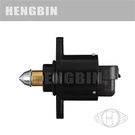
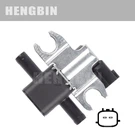

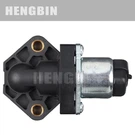

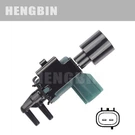
In the automotive world, the Exhaust Gas Recirculation (EGR) system plays a crucial role in reducing nitrogen oxide (NOx) emissions. A key component of this system is the EGR vacuum solenoid valve, which controls the flow of exhaust gases back into the engine's intake manifold. As a trusted supplier of EGR vacuum solenoid valves for Haima vehicles, I often encounter questions from customers regarding the potential impact of a faulty EGR vacuum solenoid valve on the catalytic converter. In this blog post, I will delve into this topic, exploring the relationship between these two components and discussing the possible consequences of a malfunctioning EGR vacuum solenoid valve.
Understanding the EGR System and Its Components
Before we can discuss the potential damage to the catalytic converter, it's essential to understand the function of the EGR system and the role of the EGR vacuum solenoid valve. The EGR system is designed to reduce NOx emissions by recirculating a portion of the exhaust gases back into the engine's combustion chamber. By introducing inert exhaust gases into the intake air, the EGR system lowers the combustion temperature, which in turn reduces the formation of NOx.
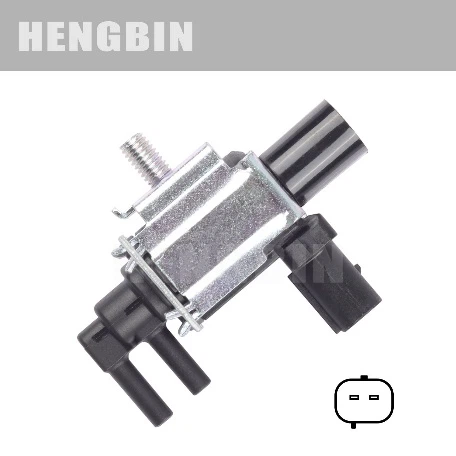
The EGR vacuum solenoid valve is an electrically controlled valve that regulates the flow of vacuum to the EGR valve. When the engine control unit (ECU) sends a signal to the EGR vacuum solenoid valve, it opens, allowing vacuum to be applied to the EGR valve. This causes the EGR valve to open, allowing exhaust gases to flow into the intake manifold. When the signal is removed, the EGR vacuum solenoid valve closes, cutting off the vacuum supply and closing the EGR valve.
How a Faulty EGR Vacuum Solenoid Valve Can Affect the Catalytic Converter
A faulty EGR vacuum solenoid valve can have several negative effects on the engine and the catalytic converter. Here are some of the ways in which a malfunctioning EGR vacuum solenoid valve can lead to damage to the catalytic converter:
1. Excessive Exhaust Gas Flow
If the EGR vacuum solenoid valve fails to close properly, it can allow an excessive amount of exhaust gases to flow into the intake manifold. This can lead to a rich air-fuel mixture, as the additional exhaust gases displace some of the incoming air. A rich air-fuel mixture can cause the engine to run inefficiently, resulting in increased fuel consumption and reduced power output. Additionally, a rich air-fuel mixture can cause unburned fuel to enter the exhaust system, which can overheat the catalytic converter and cause damage.
2. Insufficient Exhaust Gas Flow
Conversely, if the EGR vacuum solenoid valve fails to open, it can prevent exhaust gases from flowing into the intake manifold. This can lead to a lean air-fuel mixture, as there is not enough exhaust gas to lower the combustion temperature. A lean air-fuel mixture can cause the engine to run hot, which can also overheat the catalytic converter and cause damage.
3. Carbon Deposits
A faulty EGR vacuum solenoid valve can also cause carbon deposits to build up in the intake manifold and the EGR valve. These carbon deposits can restrict the flow of exhaust gases, further exacerbating the problems associated with a malfunctioning EGR vacuum solenoid valve. Additionally, carbon deposits can cause the EGR valve to stick, preventing it from opening and closing properly. This can lead to a variety of engine problems, including rough idle, hesitation, and reduced power output.
4. Contaminated Exhaust Gases
If the EGR vacuum solenoid valve fails, it can allow contaminated exhaust gases to enter the intake manifold. These contaminated exhaust gases can contain harmful substances such as oil, coolant, and particulate matter, which can damage the engine and the catalytic converter. Additionally, contaminated exhaust gases can cause the catalytic converter to become clogged, reducing its efficiency and potentially causing it to fail.
Signs of a Faulty EGR Vacuum Solenoid Valve
It's important to be aware of the signs of a faulty EGR vacuum solenoid valve so that you can address the problem before it causes damage to the catalytic converter. Here are some of the common symptoms of a malfunctioning EGR vacuum solenoid valve:
- Check Engine Light: The most common sign of a faulty EGR vacuum solenoid valve is the illumination of the check engine light on the dashboard. The ECU monitors the operation of the EGR system and will trigger the check engine light if it detects a problem with the EGR vacuum solenoid valve.
- Rough Idle: A faulty EGR vacuum solenoid valve can cause the engine to idle roughly or stall. This is because the engine is not receiving the correct amount of exhaust gases, which can disrupt the combustion process.
- Hesitation or Stumbling: A malfunctioning EGR vacuum solenoid valve can also cause the engine to hesitate or stumble during acceleration. This is because the engine is not receiving the correct amount of exhaust gases, which can cause a lean air-fuel mixture and reduce power output.
- Reduced Fuel Efficiency: A faulty EGR vacuum solenoid valve can cause the engine to run inefficiently, resulting in reduced fuel efficiency. This is because the engine is not receiving the correct amount of exhaust gases, which can cause a rich or lean air-fuel mixture and increase fuel consumption.
- Increased Emissions: A malfunctioning EGR vacuum solenoid valve can cause the engine to produce higher levels of NOx emissions. This is because the EGR system is not functioning properly, which can lead to increased combustion temperatures and the formation of more NOx.
Preventing Damage to the Catalytic Converter
To prevent damage to the catalytic converter, it's important to address any issues with the EGR vacuum solenoid valve as soon as possible. Here are some steps you can take to maintain the health of your EGR system and prevent damage to the catalytic converter:

- Regular Maintenance: Regular maintenance is essential for keeping your EGR system in good working condition. This includes changing the engine oil and air filter at the recommended intervals, as well as having the EGR system inspected and cleaned periodically.
- Replace Faulty Components: If you notice any signs of a faulty EGR vacuum solenoid valve, it's important to replace the valve as soon as possible. This will help prevent further damage to the engine and the catalytic converter.
- Use Quality Parts: When replacing the EGR vacuum solenoid valve, it's important to use high-quality parts that are specifically designed for your vehicle. Using low-quality or incompatible parts can cause further problems and potentially damage the engine and the catalytic converter.
- Follow the Manufacturer's Recommendations: It's important to follow the manufacturer's recommendations for maintenance and repair of your vehicle. This includes using the recommended fuel, oil, and other fluids, as well as having the vehicle serviced at the recommended intervals.
Our EGR Vacuum Solenoid Valves for Haima Vehicles
As a leading supplier of EGR vacuum solenoid valves for Haima vehicles, we offer a wide range of high-quality products that are designed to meet the specific needs of your vehicle. Our EGR vacuum solenoid valves are made from the highest quality materials and are rigorously tested to ensure reliability and performance.
We offer a variety of EGR vacuum solenoid valves for different Haima models, including the [Model 1], [Model 2], and [Model 3]. Our products are designed to be easy to install and are backed by a comprehensive warranty.
In addition to our EGR vacuum solenoid valves for Haima vehicles, we also offer a range of other automotive parts and accessories. Some of our popular products include:
- EGR Vacuum Solenoid Valve 14930-AX000 Suitable for Various Models Such As Nissan
- EGR Vacuum Solenoid Valve 911-909 Suitable for Various Automotive Models Such As Focus
- EGR Vacuum Solenoid Valve96333470 Suitable for Various Car Models Such As Chevrolet
Contact Us for More Information and Purchase
If you have any questions about our EGR vacuum solenoid valves for Haima vehicles or any of our other products, please don't hesitate to contact us. Our team of experts is always available to answer your questions and provide you with the information you need to make an informed decision.
We also welcome you to reach out if you are interested in purchasing our products. We offer competitive prices, fast shipping, and excellent customer service. Whether you are a professional mechanic or a do-it-yourself enthusiast, we have the parts and accessories you need to keep your vehicle running smoothly.
Conclusion
In conclusion, a faulty EGR vacuum solenoid valve can have a significant impact on the performance and longevity of your Haima vehicle's catalytic converter. By understanding the function of the EGR system and the role of the EGR vacuum solenoid valve, you can take steps to prevent damage to the catalytic converter and ensure the proper operation of your vehicle.
If you suspect that your EGR vacuum solenoid valve is malfunctioning, it's important to have it inspected and replaced as soon as possible. Our high-quality EGR vacuum solenoid valves for Haima vehicles are designed to provide reliable performance and prevent damage to the catalytic converter. Contact us today to learn more about our products and how we can help you keep your vehicle running smoothly.
References
- "Automotive Exhaust Gas Recirculation (EGR) Systems." SAE International, https://www.sae.org/standards/content/j1771_201701/.
- "Catalytic Converter Basics." EPA, https://www.epa.gov/automotive-emissions/catalytic-converter-basics.
- "How the EGR System Works." AutoZone, https://www.autozone.com/diy/repair-advice/how-the-egr-system-works.