

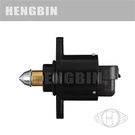




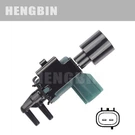
Hey there, car enthusiasts! As a supplier of carbon tank solenoid valves for Ford, I've had my fair share of dealing with these nifty little components. Today, I'm gonna walk you through the tools you'll need to replace the carbon tank solenoid valve in a Ford. Whether you're a DIYer looking to save some bucks or just curious about the process, this post is for you.
First off, let's talk a bit about what a carbon tank solenoid valve does. It's an important part of your car's evaporative emissions control system. It helps regulate the flow of fuel vapors from the carbon canister to the engine, preventing them from escaping into the atmosphere. Over time, these valves can wear out or malfunction, leading to issues like poor fuel economy, rough idling, or even triggering the check engine light. That's when you'll need to replace it.
Basic Tools
Socket Set
A good socket set is a must-have for any car repair job, and replacing the carbon tank solenoid valve is no exception. You'll likely need sockets in various sizes to remove the bolts and nuts holding the valve in place. A set that includes both metric and standard sizes is ideal, as Ford vehicles may use either depending on the model and year. Make sure you have a ratchet to turn the sockets easily.
Wrenches
In addition to the socket set, you'll also need a few wrenches. A pair of adjustable wrenches can come in handy for loosening and tightening nuts and bolts that might not fit the sockets. You might also need a torque wrench to ensure you're tightening the bolts to the correct specifications. This is important to prevent over-tightening, which can damage the valve or other components.
Pliers
Pliers are useful for gripping and pulling small parts, such as hoses or electrical connectors. Needle-nose pliers are great for reaching into tight spaces, while regular pliers can provide more grip for larger items. You might need them to disconnect the hoses attached to the carbon tank solenoid valve.
Screwdrivers
Depending on your Ford model, you may need a few screwdrivers to remove any covers or panels that are blocking access to the valve. Flathead and Phillips head screwdrivers are the most common types, so make sure you have both in different sizes.
Specialized Tools
Vacuum Pump
A vacuum pump is a specialized tool that can be very helpful when replacing the carbon tank solenoid valve. It allows you to test the valve's functionality by applying a vacuum to it. If the valve doesn't hold the vacuum or leaks, it's a sign that it needs to be replaced. You can find relatively inexpensive vacuum pumps at most auto parts stores.
Multimeter
A multimeter is another useful tool for diagnosing and replacing the carbon tank solenoid valve. It can be used to test the electrical resistance of the valve. If the resistance is outside the manufacturer's specifications, it indicates a problem with the valve. You can also use the multimeter to check for proper voltage supply to the valve.
Safety Equipment
Gloves
When working on your car, it's important to protect your hands. Gloves can prevent cuts, burns, and exposure to harmful chemicals. Choose a pair of gloves that fit well and provide good grip.
Safety Glasses
Safety glasses are essential to protect your eyes from debris, fluids, and other hazards. You never know what might fly up when you're removing or installing parts, so it's better to be safe than sorry.


Step-by-Step Guide
Now that you know what tools you need, let's go through a general step-by-step guide on how to replace the carbon tank solenoid valve in a Ford. Keep in mind that the exact process may vary depending on your specific model, so it's always a good idea to consult your car's service manual.
- Locate the Valve: The carbon tank solenoid valve is usually located near the engine or the carbon canister. Refer to your service manual to find the exact location for your Ford model.
- Disconnect the Battery: Before you start working on any electrical components, it's important to disconnect the negative terminal of the battery to prevent any short circuits.
- Remove the Hoses and Electrical Connectors: Use your pliers to carefully disconnect the hoses and electrical connectors attached to the valve. Be gentle to avoid damaging the hoses or connectors.
- Remove the Bolts or Nuts: Use your socket set or wrenches to remove the bolts or nuts holding the valve in place. Keep track of the bolts and nuts so you don't lose them.
- Remove the Old Valve: Once the bolts or nuts are removed, carefully lift the old valve out of its mounting bracket.
- Install the New Valve: Place the new valve in the mounting bracket and secure it with the bolts or nuts. Make sure it's properly aligned and tightened to the correct specifications.
- Reconnect the Hoses and Electrical Connectors: Use your pliers to reconnect the hoses and electrical connectors to the new valve. Make sure they're securely attached.
- Reconnect the Battery: Once you're done, reconnect the negative terminal of the battery.
- Test the Valve: Use your vacuum pump and multimeter to test the new valve and make sure it's working properly.
Our Products
At our company, we offer a wide range of high-quality carbon tank solenoid valves for Ford vehicles. Our valves are designed to meet or exceed the original equipment manufacturer (OEM) specifications, ensuring a perfect fit and reliable performance.
If you're in the market for a new carbon tank solenoid valve, check out our Carbon Canister Solenoid Valve 28910 - 22040 Is Suitable for Various Models Such As Changan, Carbon Tank Solenoid Valve 13907515794 Suitable for Various Models Such As BMW, and Carbon Tank Solenoid Valve '02080142535 Suitable for Various Models Such As Mercedes - Benz. These valves are not only suitable for Ford but also for a variety of other popular car models.
Contact Us for Procurement
If you're interested in purchasing our carbon tank solenoid valves for your Ford or other vehicles, we'd love to hear from you. Whether you're a car repair shop, a distributor, or an individual looking for a replacement part, we can provide you with the products and support you need. Contact us to start a procurement discussion and find out how we can meet your needs.
References
- Ford vehicle service manuals
- Automotive repair guides available at local libraries or online