

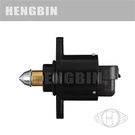
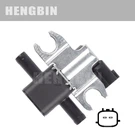

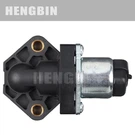

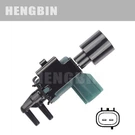
A carbon canister solenoid valve is a crucial component in a vehicle's evaporative emission control system. It plays a vital role in reducing harmful emissions by controlling the flow of fuel vapors from the carbon canister to the engine's intake manifold. However, like any other automotive part, it can experience failures over time. As a reputable carbon canister solenoid valve supplier, I've encountered various reasons for these failures through years of experience and customer feedback. In this blog, I'll delve into the primary causes of carbon canister solenoid valve failure.
Contamination
One of the most common causes of carbon canister solenoid valve failure is contamination. The valve is constantly exposed to fuel vapors, which can contain dirt, debris, and other contaminants. Over time, these contaminants can accumulate inside the valve, clogging its passages and preventing it from functioning properly.
For instance, if the fuel tank vent is blocked or the carbon canister is saturated with dirt, the contaminants can be drawn into the solenoid valve. This can lead to a restricted flow of fuel vapors, causing the valve to malfunction. Additionally, the presence of water in the fuel system can also cause corrosion and damage to the valve's internal components.
Electrical Issues
Carbon canister solenoid valves are electrically operated, which means that any electrical problems can lead to failure. A faulty electrical connection, such as a loose wire or a corroded terminal, can prevent the valve from receiving the proper voltage to open and close. This can result in the valve remaining either open or closed, causing issues with the evaporative emission control system.
Moreover, a blown fuse or a malfunctioning relay can also disrupt the electrical supply to the solenoid valve. If the fuse blows, the valve will not receive power, and if the relay fails, it will not be able to control the flow of electricity to the valve. These electrical issues can be difficult to diagnose and repair, as they require specialized equipment and knowledge.
Wear and Tear
Like all mechanical components, carbon canister solenoid valves are subject to wear and tear over time. The constant opening and closing of the valve can cause its internal components, such as the plunger and the spring, to wear out. This can lead to a decrease in the valve's performance and eventually result in failure.
The lifespan of a carbon canister solenoid valve depends on various factors, such as the quality of the valve, the driving conditions, and the frequency of use. In general, a high - quality valve can last for several years, but if it is exposed to harsh conditions or used frequently, it may need to be replaced sooner.
Manufacturing Defects
Although rare, manufacturing defects can also cause carbon canister solenoid valve failure. These defects can occur during the production process, such as improper assembly or the use of sub - standard materials. A valve with a manufacturing defect may fail prematurely, even if it has not been exposed to excessive wear and tear or contamination.
Manufacturing defects can be difficult to detect, as they may not become apparent until the valve has been in use for some time. However, if you suspect that a valve has a manufacturing defect, it is important to contact the supplier or manufacturer for a replacement.
Overheating
Overheating can also cause damage to the carbon canister solenoid valve. If the valve is located near a hot engine component, such as the exhaust manifold or the radiator, it can be exposed to high temperatures. Prolonged exposure to high temperatures can cause the valve's plastic components to melt or warp, and it can also damage the electrical insulation of the wires.
This can lead to a short circuit or a malfunction of the valve. Additionally, overheating can cause the internal components of the valve to expand, which can prevent it from opening and closing properly.
Incorrect Installation
Incorrect installation of the carbon canister solenoid valve can also lead to failure. If the valve is not installed correctly, it may not be able to seal properly, which can cause fuel vapors to leak. This can not only lead to a decrease in the efficiency of the evaporative emission control system but also pose a safety hazard.


Moreover, if the valve is installed in the wrong position or orientation, it may not function as intended. For example, if the valve is installed upside down, it may not be able to open and close properly, which can cause issues with the flow of fuel vapors.
As a carbon canister solenoid valve supplier, we offer a wide range of high - quality valves to meet the needs of different customers. For example, we have the Carbon Canister Solenoid Valve 96985666 Suitable for Various Car Models Such As Spark, the Carbon Tank Solenoid Valve 'GL3Z - 9325 - A Is Suitable for All Kinds Of Models Such As Lincoln, and the Carbon Canister Solenoid Valve '0280142424 Suitable for Various Car Models Such As ford. Our valves are designed to withstand the rigors of daily use and are manufactured using high - quality materials to ensure long - lasting performance.
If you are experiencing issues with your carbon canister solenoid valve or are looking to purchase a new one, we encourage you to contact us for more information. Our team of experts can help you select the right valve for your vehicle and provide you with professional advice on installation and maintenance. We are committed to providing our customers with the best products and services, and we look forward to working with you to meet your needs.
References
- Bosch Automotive Handbook.
- Chilton's Automotive Repair Manual.
- Haynes Repair Manuals.