

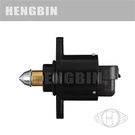
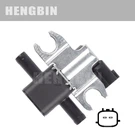

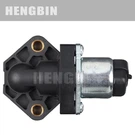

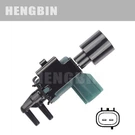
The Exhaust Gas Recirculation (EGR) system plays a crucial role in modern automotive engines, helping to reduce nitrogen oxide (NOx) emissions by recirculating a portion of the exhaust gases back into the combustion chamber. At the heart of this system lies the EGR vacuum solenoid valve, which controls the flow of vacuum to the EGR valve, allowing for precise regulation of the exhaust gas recirculation rate. When this solenoid valve malfunctions, it can lead to a variety of symptoms that can affect the performance and emissions of the vehicle. As a trusted supplier of EGR vacuum solenoid valves, we have extensive knowledge of these symptoms and are here to share them with you.
1. Poor Engine Performance
One of the most common symptoms of a misfiring EGR vacuum solenoid valve is poor engine performance. When the solenoid valve fails to operate correctly, it can disrupt the normal flow of exhaust gases into the combustion chamber. This can lead to an imbalance in the air - fuel mixture, causing the engine to run rough. You may notice that the engine hesitates or stumbles during acceleration, especially when you try to quickly increase the speed. The power output of the engine may also be reduced, making it feel sluggish and less responsive.
In some cases, the engine may even stall, especially at idle or when coming to a stop. This is because the incorrect amount of exhaust gas being recirculated can cause the combustion process to become unstable, leading to a loss of power and eventually a stall. If you experience these symptoms, it's important to have your EGR vacuum solenoid valve checked as soon as possible.
2. Increased Emissions
The primary function of the EGR system is to reduce NOx emissions. When the EGR vacuum solenoid valve malfunctions, the EGR system may not be able to operate effectively, resulting in increased NOx emissions. Higher levels of NOx in the exhaust can contribute to air pollution and may also cause your vehicle to fail an emissions test.
In addition to NOx, a misfiring EGR vacuum solenoid valve can also lead to an increase in other pollutants such as hydrocarbons (HC) and carbon monoxide (CO). This is because the improper recirculation of exhaust gases can disrupt the combustion process, leading to incomplete combustion and the production of these harmful pollutants. If your vehicle fails an emissions test, a faulty EGR vacuum solenoid valve could be one of the culprits.
3. Check Engine Light
The onboard diagnostic system (OBD) in modern vehicles is designed to monitor the performance of various components, including the EGR system. When the EGR vacuum solenoid valve malfunctions, the OBD system will detect the problem and trigger the check engine light on your dashboard.
The check engine light can indicate a wide range of issues, so it's important to use an OBD scanner to retrieve the specific trouble codes associated with the problem. In the case of a misfiring EGR vacuum solenoid valve, the trouble codes may include P0400 (EGR Flow Malfunction), P0401 (Insufficient EGR Flow), or P0402 (Excessive EGR Flow). These codes can provide valuable information to help diagnose the problem and determine if the EGR vacuum solenoid valve needs to be replaced.
4. Reduced Fuel Efficiency
A misfiring EGR vacuum solenoid valve can also have a negative impact on fuel efficiency. As mentioned earlier, when the solenoid valve fails, it can disrupt the air - fuel mixture, causing the engine to run inefficiently. The engine may burn more fuel than necessary to produce the same amount of power, resulting in reduced miles per gallon (MPG).
You may notice that you need to fill up your gas tank more frequently than usual, even if your driving habits have not changed. This can be a significant cost over time, especially if you do a lot of driving. By replacing a faulty EGR vacuum solenoid valve, you can restore the proper operation of the EGR system and improve your vehicle's fuel efficiency.
5. Rough Idle
Another symptom of a misfiring EGR vacuum solenoid valve is a rough idle. The engine may shake or vibrate more than normal when it is idling. This is because the incorrect amount of exhaust gas being recirculated can cause the combustion process to be uneven, leading to an unstable idle.
You may also hear unusual noises coming from the engine, such as popping or hissing sounds. These noises can be an indication that there is a problem with the EGR system, and the EGR vacuum solenoid valve could be the root cause. If you experience a rough idle, it's important to have your vehicle inspected to determine the cause.
6. Carbon Deposits
When the EGR vacuum solenoid valve malfunctions, it can cause an excessive amount of exhaust gas to be recirculated into the combustion chamber. This can lead to the formation of carbon deposits on the intake valves, pistons, and other engine components.
Carbon deposits can reduce the efficiency of the engine by interfering with the normal flow of air and fuel. They can also cause the valves to stick, leading to further engine performance issues. Over time, these carbon deposits can cause significant damage to the engine if not addressed.
Solutions and Our Product Offerings
If you suspect that your EGR vacuum solenoid valve is misfiring, it's important to have it replaced as soon as possible. At our company, we offer a wide range of high - quality EGR vacuum solenoid valves that are designed to meet or exceed OEM specifications.
For example, we have the EGR Vacuum Solenoid Applicable To TOYOTA, Daihatsu, Sena, Lexus, which is specifically designed for these popular automotive brands. Our EGR Vacuum Solenoid Valve 9048411 Is Suitable for Various Automotive Models Such As Xuef and EGR Vacuum Solenoid Valve 149561P110 Suitable for Various Automotive Models Such As Haima are also excellent choices for a variety of vehicles.


Our EGR vacuum solenoid valves are made from high - quality materials and are rigorously tested to ensure reliable performance. By choosing our products, you can be confident that you are getting a reliable solution to your EGR system problems.
Contact Us for Procurement
If you are experiencing any of the symptoms mentioned above and are in need of a new EGR vacuum solenoid valve, we invite you to contact us for procurement. Our team of experts is ready to assist you in finding the right product for your vehicle. We can provide you with detailed product information, answer any questions you may have, and help you with the purchasing process. Don't let a misfiring EGR vacuum solenoid valve affect the performance and efficiency of your vehicle. Contact us today to get started.
References
- Bosch Automotive Handbook, 7th Edition
- Haynes Automotive Repair Manuals
- Chilton's Automotive Repair Manuals