

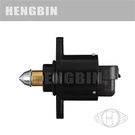
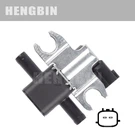

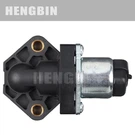

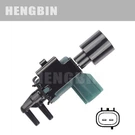
Hey there! I'm a supplier of idle motors suitable for Renault. In this blog, I'll talk about the environmental factors that can affect an idle motor in a Renault.
First off, let's understand what an idle motor does. It's a crucial part of a car's engine control system. When your Renault is idling, the idle motor regulates the engine speed by controlling the amount of air that bypasses the throttle valve. This helps keep the engine running smoothly when you're stopped at a traffic light or in slow - moving traffic.
Now, let's dive into the environmental factors.
Temperature
Extreme temperatures can really mess with an idle motor.
High Temperatures
In hot climates or during long - distance driving on a scorching day, the heat can cause the components of the idle motor to expand. This expansion can lead to misalignment of the internal parts. For example, the shaft inside the motor might expand and rub against the housing, increasing friction. Over time, this friction can wear out the parts, reducing the motor's efficiency. The lubricants used in the motor can also break down under high heat. When the lubricants lose their properties, the moving parts start to grind against each other, which can eventually lead to motor failure.
Low Temperatures
On the other hand, cold temperatures make the materials in the idle motor contract. The electrical connections can become loose due to the contraction. A loose connection can cause intermittent power supply to the motor. You might notice that your Renault's engine has a hard time idling steadily in cold weather. The plastic and rubber parts in the idle motor can also become brittle in the cold. If they crack, it can allow dirt and moisture to enter the motor, further damaging it.
Humidity
Humidity is another environmental factor that can have a big impact on an idle motor.
High Humidity
In areas with high humidity, like coastal regions, moisture can seep into the idle motor. Water is a conductor of electricity, and when it gets inside the motor, it can cause short - circuits. The electrical windings in the motor are particularly vulnerable. Once a short - circuit occurs, the motor might stop working altogether or operate erratically. Moisture can also cause rust and corrosion on the metal parts of the motor. Rust weakens the metal, making the parts more likely to break. For instance, the gears in the idle motor can rust, and the teeth can start to wear down or even break off.


Condensation
Condensation can form inside the idle motor when there are rapid changes in temperature. For example, if you drive your Renault on a cold morning and then park it in a warm garage, the temperature difference can cause water droplets to form inside the motor. This is especially problematic because the water can get into the hard - to - reach areas of the motor, where it can cause long - term damage.
Dust and Dirt
Dust and dirt are everywhere, and they can easily find their way into the idle motor.
Fine Dust
Fine dust particles can act like sandpaper on the internal parts of the idle motor. As the motor operates, the dust gets into the gaps between the moving parts. It abrades the surfaces, causing premature wear. The dust can also clog the air passages in the motor. When the air passages are blocked, the motor can't regulate the air flow properly, which affects the engine's idle speed.
Dirt and Debris
Larger dirt particles and debris can cause more serious problems. They can jam the moving parts of the motor. For example, a small piece of debris might get stuck in the gear mechanism, preventing the motor from rotating smoothly. This can lead to a complete breakdown of the idle motor.
Chemical Exposure
Renaults are often exposed to various chemicals in the environment.
Road Salt
In regions where road salt is used during winter to melt ice, the salt can be splashed onto the idle motor. Salt is highly corrosive. It can eat away at the metal parts of the motor, causing rust and pitting. The electrical contacts can also be corroded by the salt, leading to poor electrical conductivity.
Fuel and Oil Vapors
Fuel and oil vapors can seep into the idle motor, especially if there are leaks in the engine. These vapors can contaminate the internal parts of the motor. The chemicals in the fuel and oil can break down the insulation on the electrical wires, increasing the risk of short - circuits. They can also damage the rubber and plastic components in the motor.
As a supplier of idle motors suitable for Renault, I offer high - quality products that are designed to withstand these environmental factors as much as possible. We use advanced materials and manufacturing techniques to ensure the durability of our motors.
For example, we have the Idle Motor 94503584 Is Suitable for Various Automotive Models Such As Motorola. This motor is built with heat - resistant materials that can handle high - temperature environments. It also has a sealed design to prevent dust and moisture from getting inside.
Another great option is the Idle Motor 21007019 Is Suitable for Various Automotive Models Such As BMW. It's engineered to resist corrosion from road salt and other chemicals. The internal components are precision - made to minimize wear even in harsh conditions.
If you own a Fiat, we also have the Idle Motor 0269980492 Suitable for FIAT, which has similar features to ensure reliable performance.
If you're in the market for a new idle motor for your Renault or other automotive models, I encourage you to reach out for a procurement discussion. We can talk about your specific needs and how our products can meet them. Whether you're a car repair shop or an individual car owner, we're here to provide you with the best idle motors at competitive prices.
References
- Automotive Engineering Handbook, various editions
- SAE International Technical Papers on Engine Control Systems
- Renault Service Manuals for idle motor specifications and maintenance guidelines