

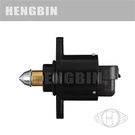

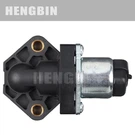

A rough idle in an Audi can be a frustrating and concerning issue for any car owner. One potential culprit that often comes under scrutiny is the idle motor. As a trusted supplier of idle motors suitable for Audi vehicles, I've encountered numerous inquiries about whether a bad idle motor can indeed cause rough idle. In this blog post, I'll delve into the science behind idle motors, explain how they work, and explore the connection between a faulty idle motor and rough idle in Audis.
Understanding the Idle Motor
Before we can determine whether a bad idle motor can cause rough idle, it's essential to understand what an idle motor is and how it functions. The idle motor, also known as the idle air control valve (IACV), is a crucial component of the engine's air intake system. Its primary function is to regulate the amount of air that bypasses the throttle plate when the engine is idling. By controlling the idle air flow, the idle motor helps maintain a stable and consistent idle speed.
When you start your Audi and let it idle, the engine control unit (ECU) sends a signal to the idle motor, instructing it to open or close based on various factors such as engine temperature, load, and electrical system demand. If the engine is cold, the idle motor will open wider to allow more air into the engine, increasing the idle speed and helping the engine warm up faster. Conversely, when the engine is warm and under light load, the idle motor will close slightly to reduce the idle air flow and maintain a lower idle speed.
How a Bad Idle Motor Can Cause Rough Idle
Now that we understand how the idle motor works, let's explore how a bad idle motor can lead to rough idle in an Audi. There are several ways in which a faulty idle motor can disrupt the normal operation of the engine and cause rough idle:
- Incorrect Airflow Regulation: A worn or damaged idle motor may not be able to regulate the idle air flow accurately. This can result in either too much or too little air entering the engine, causing the idle speed to fluctuate and the engine to run rough. For example, if the idle motor is stuck open, it will allow an excessive amount of air into the engine, causing the idle speed to increase and the engine to run rough. On the other hand, if the idle motor is stuck closed, it will restrict the air flow, causing the idle speed to drop and the engine to stall.
- Carbon Buildup: Over time, carbon deposits can accumulate on the idle motor's valve and shaft, preventing it from opening and closing properly. This can lead to a decrease in idle air flow and cause the engine to idle rough. Carbon buildup is a common problem in older Audi vehicles, especially those that are driven in stop-and-go traffic or have a history of using low-quality fuel.
- Electrical Issues: The idle motor is controlled by the ECU through an electrical signal. If there is a problem with the electrical connection or the ECU itself, the idle motor may not receive the correct signal, causing it to malfunction. Electrical issues can also cause the idle motor to overheat, which can damage the motor and lead to rough idle.
- Mechanical Failure: In some cases, the idle motor may simply wear out or fail due to normal wear and tear. This can happen if the motor is exposed to excessive heat, vibration, or contaminants. A mechanical failure can cause the idle motor to seize up or become stuck in a particular position, preventing it from regulating the idle air flow properly and causing the engine to idle rough.
Symptoms of a Bad Idle Motor
If you suspect that your Audi's idle motor is faulty, there are several symptoms that you can look out for:


- Rough Idle: The most obvious symptom of a bad idle motor is a rough or unstable idle. You may notice that the engine shakes or vibrates more than usual when it's idling, or that the idle speed fluctuates up and down.
- Stalling: A faulty idle motor can cause the engine to stall when you come to a stop or when you put the car in gear. This is because the idle motor is not able to maintain a stable idle speed, causing the engine to lose power and shut off.
- Poor Acceleration: A bad idle motor can also affect the engine's performance when you accelerate. You may notice that the car hesitates or jerks when you press the accelerator pedal, or that it takes longer than usual to reach your desired speed.
- Check Engine Light: In some cases, a faulty idle motor can trigger the check engine light on your Audi's dashboard. The ECU may detect a problem with the idle motor's operation and store a diagnostic trouble code (DTC) in its memory. You can use an OBD-II scanner to retrieve the DTC and determine the exact cause of the problem.
Testing and Replacing the Idle Motor
If you suspect that your Audi's idle motor is faulty, it's important to have it tested and replaced as soon as possible. Here's how you can test and replace the idle motor:
- Testing the Idle Motor: You can use a multimeter to test the idle motor's electrical resistance. First, locate the idle motor on your Audi's engine. It is usually located near the throttle body. Disconnect the electrical connector from the idle motor and use the multimeter to measure the resistance between the two terminals on the connector. Compare the measured resistance to the specifications in your Audi's service manual. If the resistance is outside the specified range, the idle motor is likely faulty and needs to be replaced.
- Replacing the Idle Motor: If the idle motor is found to be faulty, you can replace it yourself or have it replaced by a professional mechanic. Here's how you can replace the idle motor:
- Disconnect the negative battery cable to prevent any electrical shocks.
- Locate the idle motor on your Audi's engine and remove the electrical connector and any mounting bolts or clips that are holding it in place.
- Carefully remove the old idle motor from the engine and install the new one in its place.
- Reconnect the electrical connector and any mounting bolts or clips.
- Reconnect the negative battery cable.
- Start the engine and let it idle for a few minutes to allow the ECU to relearn the idle settings.
Our Idle Motors for Audi
As a leading supplier of idle motors suitable for Audi vehicles, we offer a wide range of high-quality idle motors that are designed to meet or exceed the original equipment manufacturer (OEM) specifications. Our idle motors are made from premium materials and are rigorously tested to ensure reliable performance and long-lasting durability.
We understand the importance of having a properly functioning idle motor in your Audi, which is why we offer a comprehensive selection of idle motors that are compatible with various Audi models and years. Whether you need an idle motor for your Audi A4, A6, Q5, or any other model, we have the right part for you.
In addition to our high-quality idle motors, we also offer excellent customer service and technical support. Our team of experts is available to answer any questions you may have about our products or to help you find the right idle motor for your Audi. We also offer fast and reliable shipping, so you can get your idle motor quickly and get your Audi back on the road in no time.
Conclusion
In conclusion, a bad idle motor can indeed cause rough idle in an Audi. The idle motor plays a crucial role in regulating the idle air flow and maintaining a stable idle speed. If the idle motor is faulty, it can disrupt the normal operation of the engine and cause rough idle, stalling, poor acceleration, and other problems.
If you suspect that your Audi's idle motor is faulty, it's important to have it tested and replaced as soon as possible. By replacing the idle motor with a high-quality part, you can restore your Audi's performance and ensure that it runs smoothly and efficiently.
If you're in the market for an idle motor for your Audi, look no further than our company. We offer a wide range of high-quality idle motors that are suitable for various Audi models and years. Our idle motors are made from premium materials and are rigorously tested to ensure reliable performance and long-lasting durability. Contact us today to learn more about our products and to place your order.
References
- "Automotive Engine Performance," by James D. Halderman
- "How a Car Works," by Haynes Publishing Group
- Audi Service Manuals