



Hey there! As a carbon canister solenoid valve supplier, I've seen my fair share of issues with these nifty little components. Figuring out if there's a problem with a carbon canister solenoid valve can be a real head - scratcher, but with the right know - how, you can diagnose it accurately. So, let's dive into how to do just that.
What is a Carbon Canister Solenoid Valve?
First things first, let's quickly go over what a carbon canister solenoid valve is. It's an essential part of a vehicle's evaporative emissions control system. This system helps to trap and recycle fuel vapors that would otherwise escape into the atmosphere. The carbon canister solenoid valve acts as a gateway, controlling the flow of these fuel vapors from the carbon canister to the engine's intake manifold. When it's working properly, it plays a crucial role in keeping your car running clean and efficiently.
Signs of a Problem
The first step in diagnosing a problem is to recognize the signs. There are a few common symptoms that can indicate an issue with the carbon canister solenoid valve.
Check Engine Light
One of the most obvious signs is when the check engine light comes on. Modern vehicles are equipped with an onboard diagnostic (OBD) system that constantly monitors the performance of various components, including the carbon canister solenoid valve. If the OBD system detects an irregularity in the valve's operation, it'll trigger the check engine light. You can use an OBD scanner to retrieve the diagnostic trouble codes (DTCs) stored in the system. Codes related to the carbon canister solenoid valve typically start with "P0440" series. For example, P0441 might mean there's an incorrect purge flow detected, which could point to a faulty solenoid valve.
Poor Fuel Economy
A malfunctioning carbon canister solenoid valve can also lead to poor fuel economy. If the valve doesn't open or close at the right times, it can disrupt the normal flow of fuel vapors. This could cause the engine to run less efficiently as it might receive an incorrect air - fuel mixture. So, if you notice that you're filling up your tank more often than usual, it could be due to a problem with the solenoid valve.
Rough Idle or Stalling
Another symptom is a rough idle or even stalling. When the valve malfunctions, it can cause an imbalance in the air - fuel ratio at idle. This might result in the engine running unevenly, shaking, or even cutting out completely. If you're experiencing these issues, the carbon canister solenoid valve could very well be the culprit.
Strong Fuel Odor
A strong smell of fuel around your vehicle can also indicate a problem. If the solenoid valve is stuck open, fuel vapors can leak out into the environment instead of being properly routed to the engine. This not only creates an unpleasant smell but also contributes to air pollution.
Diagnostic Steps
Once you've noticed one or more of these symptoms, it's time to start the diagnostic process.
Visual Inspection
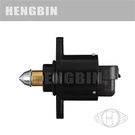
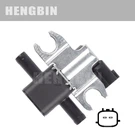
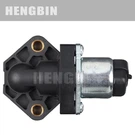
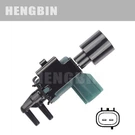
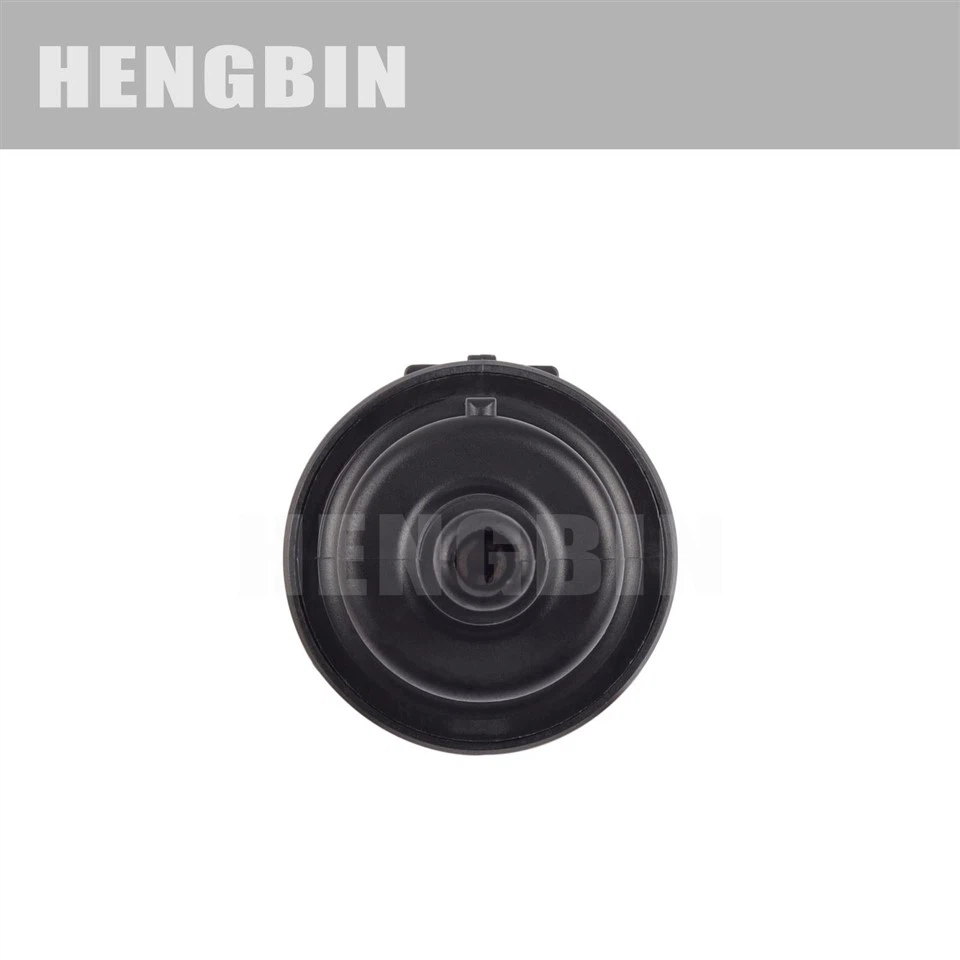
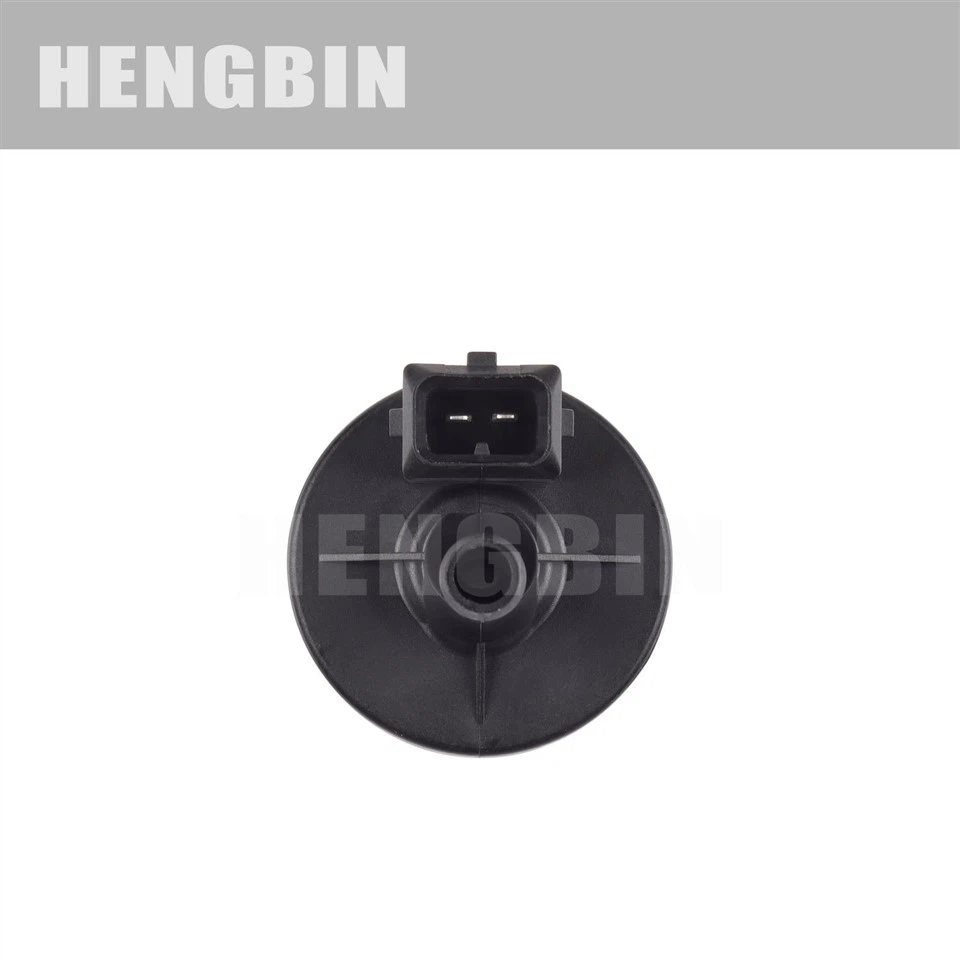
The first thing you should do is a visual inspection. Pop the hood and locate the carbon canister solenoid valve. It's usually a small, cylindrical or rectangular component with electrical connectors and hoses attached to it. Check for any obvious signs of damage, such as cracked hoses, loose connections, or a burnt - looking coil. If you see any visible issues, they could be the cause of the problem. Tighten any loose connections or replace damaged hoses and see if the symptoms persist.
Electrical Testing
The carbon canister solenoid valve is an electrical component, so electrical testing is crucial. You'll need a multimeter for this step. First, disconnect the electrical connector from the valve. Set your multimeter to measure resistance and touch the probes to the terminals on the connector. Refer to the vehicle's service manual for the correct resistance value of the solenoid. If the reading is significantly higher or lower than the specified value, the solenoid is likely faulty and needs to be replaced.
You can also perform a voltage test. With the engine running and the electrical connector re - attached, use the multimeter to measure the voltage at the terminals. The voltage should fluctuate as the engine control unit (ECU) signals the valve to open and close. If there's no voltage or a constant voltage, there could be a problem with the electrical circuit or the ECU itself.
Flow Testing
Flow testing helps to determine if the valve is actually opening and closing properly. You can use a hand - held vacuum pump for this test. Disconnect the hose leading to the intake manifold and connect the vacuum pump to the valve. Apply vacuum to the valve and see if it holds. If the vacuum drops quickly, it could mean that the valve is leaking and not sealing properly. Then, release the vacuum and check if the valve closes. You can also listen for a clicking sound as you apply and release vacuum. A clicking sound indicates that the valve is moving, but it doesn't necessarily mean it's working perfectly.
Our Product Range
If you've diagnosed that your carbon canister solenoid valve is faulty, we've got you covered. We offer a wide range of high - quality carbon canister solenoid valves. For instance, our Carbon Tank Solenoid Valve 'GL3Z - 9325 - A Is Suitable for All Kinds Of Models Such As Lincoln is a great choice. It's designed to fit various models and provides reliable performance.
We also have the Carbon Canister Solenoid Purge Control Valve F01RB0Q021 F 01R B0Q 021 110111001 1101110 - 01 which is known for its durability and precise operation. And the Carbon Canister Solenoid Purge Control Valve 0280142345 6QE906517 6QE 906 517 is another popular option among our customers.
Conclusion
Diagnosing a carbon canister solenoid valve problem accurately takes a bit of knowledge and some basic tools, but it's definitely doable. By paying attention to the symptoms, performing visual, electrical, and flow tests, you can pinpoint the issue and take the necessary steps to fix it. If you find that you need a new carbon canister solenoid valve, we're here to help. Our products are designed to meet the highest standards and ensure your vehicle's evaporative emissions control system works as it should.
If you're interested in purchasing our carbon canister solenoid valves or have any questions, don't hesitate to reach out and start a procurement discussion. We're always ready to assist you with finding the right product for your needs.
References
- "Automotive Electrical and Electronic Systems" by John F. Kershaw
- Vehicle service manuals for various makes and models