

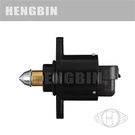
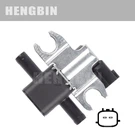

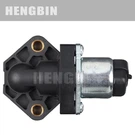

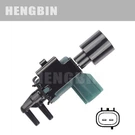
A carbon canister solenoid valve is a crucial component in a vehicle's evaporative emissions control system. Its primary function is to regulate the flow of fuel vapors from the carbon canister to the engine's intake manifold. These vapors are then burned in the combustion chamber, reducing harmful emissions and improving fuel efficiency. However, a malfunctioning carbon canister solenoid valve can lead to a variety of issues, including engine misfires. In this blog post, we'll explore the relationship between a carbon canister solenoid valve and engine misfires, and discuss how to identify and address potential problems.
How a Carbon Canister Solenoid Valve Works
Before delving into whether a carbon canister solenoid valve can cause misfires, it's important to understand how this component functions. The carbon canister is designed to capture and store fuel vapors that would otherwise escape into the atmosphere. When the engine is running, the carbon canister solenoid valve opens, allowing the stored vapors to be drawn into the intake manifold and mixed with the incoming air - fuel mixture.
The opening and closing of the solenoid valve are controlled by the vehicle's engine control unit (ECU). The ECU uses various sensors to determine the appropriate time to open the valve based on factors such as engine temperature, speed, and load. By precisely controlling the flow of fuel vapors, the carbon canister solenoid valve helps maintain the proper air - fuel ratio for efficient combustion.
Can a Carbon Canister Solenoid Valve Cause Misfires?
The short answer is yes, a faulty carbon canister solenoid valve can cause engine misfires. Here are a few ways in which this can happen:
Incorrect Air - Fuel Ratio
One of the most common ways a malfunctioning carbon canister solenoid valve can lead to misfires is by disrupting the air - fuel ratio. If the valve is stuck open, an excessive amount of fuel vapors can enter the intake manifold. This results in a rich air - fuel mixture, meaning there is too much fuel and not enough air. A rich mixture can cause incomplete combustion, leading to misfires, rough idling, and decreased fuel efficiency.
Conversely, if the valve is stuck closed, the fuel vapors cannot be drawn into the intake manifold. This can result in a lean air - fuel mixture, where there is too much air and not enough fuel. A lean mixture can also cause misfires, as the spark plugs may not be able to ignite the mixture effectively.
Vacuum Leaks
A carbon canister solenoid valve that is not sealing properly can create a vacuum leak. Vacuum leaks can allow unmetered air to enter the intake manifold, upsetting the balance of the air - fuel mixture. This can lead to misfires, especially at idle or low - speed conditions. Additionally, a vacuum leak can cause the engine to run erratically and may trigger the check engine light.
Electrical Issues
The carbon canister solenoid valve is an electrically - operated component. If there are electrical problems, such as a damaged wiring harness, a blown fuse, or a faulty ECU signal, the valve may not operate correctly. For example, if the valve does not receive the proper signals to open or close at the right times, it can disrupt the flow of fuel vapors and cause misfires.
Identifying a Faulty Carbon Canister Solenoid Valve
If you suspect that your carbon canister solenoid valve is causing misfires, there are several symptoms to look out for:
Check Engine Light
A malfunctioning carbon canister solenoid valve can trigger the check engine light. The ECU detects irregularities in the air - fuel ratio or the operation of the valve and stores a diagnostic trouble code (DTC). Common DTCs related to the carbon canister solenoid valve include P0441 (Evaporative Emission Control System Incorrect Purge Flow) and P0443 (Evaporative Emission Control System Purge Control Valve Circuit Malfunction).
Rough Idling
As mentioned earlier, a faulty carbon canister solenoid valve can disrupt the air - fuel ratio, leading to rough idling. You may notice that the engine vibrates more than usual or that the RPMs fluctuate while the vehicle is at a standstill.
Decreased Fuel Efficiency
If the valve is stuck open and causing a rich air - fuel mixture, you may experience a decrease in fuel efficiency. You'll find yourself filling up the gas tank more frequently than normal.


Strong Fuel Odor
A leaking or malfunctioning carbon canister solenoid valve can allow fuel vapors to escape into the engine compartment or the surrounding area. This can result in a strong smell of gasoline, which is a clear indication of a problem.
Testing and Replacing the Carbon Canister Solenoid Valve
If you suspect that your carbon canister solenoid valve is the cause of the misfires, it's important to have it tested. A mechanic can use a multimeter to check the electrical resistance of the valve and ensure that it is within the manufacturer's specifications. They can also perform a visual inspection of the valve and its associated components for signs of damage or wear.
If the carbon canister solenoid valve is found to be faulty, it should be replaced. As a carbon canister solenoid valve supplier, we offer a wide range of high - quality valves suitable for various vehicle models. For example, the Carbon Tank Solenoid Valve 12666845 Is Suitable for Various Models Such As Cadillac, the Carbon Tank Solenoid Valve 28910 - 3C200 Is Suitable for All Models Such As Hyundai, and the Carbon Tank Solenoid Valve 0280142553 Suitable for Various Models Such As Geely are all reliable options.
Preventive Maintenance
To avoid issues with the carbon canister solenoid valve and potential misfires, it's important to follow a regular maintenance schedule. Here are some preventive measures:
Check the Valve Regularly
As part of routine vehicle maintenance, have the carbon canister solenoid valve inspected periodically. A mechanic can check for proper operation, signs of wear, and any potential leaks.
Replace Filters
The carbon canister often has a filter that can become clogged over time. A clogged filter can restrict the flow of fuel vapors and put additional stress on the solenoid valve. Replacing the filter at the recommended intervals can help ensure the proper functioning of the entire evaporative emissions control system.
Keep the Fuel System Clean
Using high - quality fuel and fuel additives can help keep the fuel system clean. This includes the carbon canister, solenoid valve, and intake manifold. A clean fuel system is less likely to experience issues that can lead to misfires.
Conclusion
In conclusion, a carbon canister solenoid valve can indeed cause engine misfires. Whether due to an incorrect air - fuel ratio, vacuum leaks, or electrical problems, a faulty valve can disrupt the normal operation of the engine and lead to performance issues. If you suspect that your carbon canister solenoid valve is causing misfires, it's important to have it diagnosed and replaced if necessary.
As a leading supplier of carbon canister solenoid valves, we are committed to providing high - quality products that meet the strictest industry standards. Our valves are designed to ensure proper operation of the evaporative emissions control system and help prevent issues such as misfires. If you are in need of a carbon canister solenoid valve for your vehicle or are interested in purchasing in bulk for your business, we invite you to contact us for procurement and negotiation. We look forward to serving you and helping you keep your engines running smoothly.
References
- "Automotive Emission Control Systems" by Jack Erjavec
- Vehicle repair manuals for various makes and models