



As a supplier of idle motors suitable for VW, I've witnessed firsthand the importance of a well - adjusted idle speed in Volkswagen vehicles. The idle speed plays a crucial role in the overall performance and efficiency of the engine. In this blog, I'll share a detailed guide on how to adjust the idle speed of a VW using an idle motor.
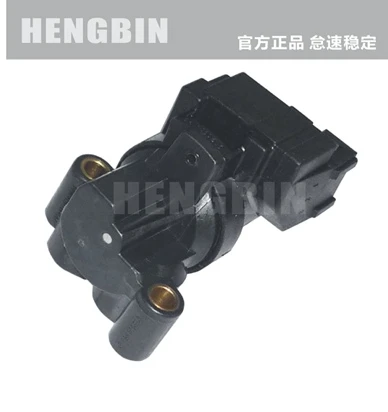

Understanding the Role of the Idle Motor in a VW
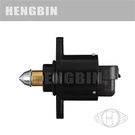
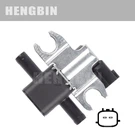
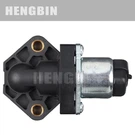
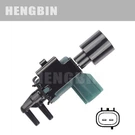
The idle motor, also known as the idle air control valve (IACV), is an essential component in a VW's engine management system. Its primary function is to regulate the amount of air that bypasses the throttle plate when the engine is idling. By controlling the airflow, the idle motor ensures that the engine maintains a stable and appropriate idle speed under various operating conditions, such as when the air conditioning is on, the lights are on, or other electrical loads are present.
Tools Required for the Adjustment
Before you start adjusting the idle speed of your VW using the idle motor, you'll need the following tools:
- OBD - II Scanner: This tool is used to read and clear diagnostic trouble codes (DTCs) and to access the engine control unit (ECU) data. It can provide valuable information about the current idle speed and other engine parameters.
- Screwdrivers: Depending on your VW model, you may need Phillips or flat - head screwdrivers to remove the air intake duct and access the idle motor.
- Wrenches: Socket wrenches or open - end wrenches may be required to loosen and tighten any bolts or nuts securing the idle motor.
- Multimeter: A multimeter can be used to check the electrical connections and the voltage supply to the idle motor.
Step - by - Step Guide to Adjusting the Idle Speed
Step 1: Prepare the Vehicle
- Park your VW on a level surface and engage the parking brake. Make sure the engine is off and has cooled down to avoid any burns.
- Open the hood and locate the air intake duct. The air intake duct is usually connected to the throttle body. Remove the air intake duct carefully, using the appropriate screwdriver or wrench.
Step 2: Locate the Idle Motor
The idle motor is typically attached to the throttle body. It is a small, electrically - operated device with a connector and a housing. Refer to your vehicle's service manual if you're having trouble finding it.
Step 3: Check for Diagnostic Trouble Codes
Connect the OBD - II scanner to the diagnostic port, which is usually located under the dashboard on the driver's side. Turn the ignition key to the "ON" position without starting the engine. Use the scanner to read any DTCs. If there are any codes related to the idle control system, such as a malfunctioning idle motor or a vacuum leak, you'll need to address these issues before proceeding with the idle speed adjustment. Clear the codes after you've resolved the problems.
Step 4: Inspect the Idle Motor and Electrical Connections
- Visually inspect the idle motor for any signs of damage, such as cracks or loose parts.
- Check the electrical connector on the idle motor. Make sure it is securely plugged in and there are no signs of corrosion or damage. Use the multimeter to check the voltage supply to the idle motor. With the ignition on, the voltage should be within the specified range according to your vehicle's service manual.
Step 5: Initial Idle Speed Measurement
- Start the engine and let it warm up to its normal operating temperature. This usually takes a few minutes.
- Use the OBD - II scanner to read the current idle speed. Compare it to the recommended idle speed for your VW model, which can be found in the service manual.
Step 6: Adjusting the Idle Speed
- Some VW models allow for manual adjustment of the idle speed through the ECU using the OBD - II scanner. If your vehicle has this feature, follow the instructions in the scanner's manual to access the idle speed adjustment menu.
- For models without a direct ECU - based adjustment, you may need to adjust the idle motor mechanically. Some idle motors have an adjustment screw or a set of shims that can be used to change the position of the valve inside the motor, thus altering the airflow and the idle speed. However, this method is less common and more complex, and it's recommended that you consult a professional mechanic if you're not familiar with it.
Step 7: Re - check the Idle Speed
After making the adjustment, let the engine run for a few more minutes to stabilize. Use the OBD - II scanner to re - measure the idle speed. If the idle speed is still not within the recommended range, repeat the adjustment process until it is.
Step 8: Reassemble the Components
- Once you're satisfied with the idle speed, turn off the engine.
- Reinstall the air intake duct, making sure it is properly secured.
Troubleshooting Common Issues
- Idle Speed Too High: This could be caused by a vacuum leak, a malfunctioning idle motor, or a problem with the throttle body. Check for any loose or cracked vacuum hoses and repair or replace them as needed. If the idle motor is faulty, you may need to replace it. You can consider our Idle Motor 13411247988 Suitable for Various Car Models Such As BMW, which might also be a compatible alternative in some cases.
- Idle Speed Too Low: A low idle speed can be due to a dirty idle motor, a clogged air filter, or a weak battery. Clean the idle motor using a suitable carburetor cleaner and replace the air filter if it's dirty. Check the battery voltage and charge or replace the battery if necessary. You may also want to look into our Idle Motor 3515022600 Is Suitable for Various Automotive Models Such As KIA as it could potentially solve the problem in some scenarios.
- Rough Idle: A rough idle can be caused by a misfiring cylinder, a faulty spark plug, or a problem with the fuel injection system. Have the ignition system and the fuel system inspected and serviced as needed. Our Idle Motor 17113598 Is Suitable for Various Automotive Models Such As GMC might be a part of the solution if the issue is related to the idle control.
Conclusion
Adjusting the idle speed of a VW using an idle motor is a task that requires careful attention and the right tools. By following the steps outlined in this blog, you can ensure that your engine maintains a stable and efficient idle speed. However, if you're not confident in your abilities or if you encounter any persistent problems, it's always best to seek the help of a professional mechanic.
As a supplier of idle motors suitable for VW, we offer a wide range of high - quality idle motors that are designed to meet the specific requirements of your vehicle. If you're in need of a new idle motor or have any questions about our products, please feel free to contact us for procurement and further discussions.
References
- Volkswagen Service Manuals
- OBD - II Scanner User Manuals
- Automotive Repair Guides