






Can a Cooling Shutoff Valve Be Used in an Industrial Cooling System?
In the realm of industrial operations, maintaining optimal temperature levels is crucial for the smooth and efficient functioning of various processes. Industrial cooling systems play a pivotal role in achieving this goal, and the components within these systems are carefully selected to ensure reliability and performance. One such component that often comes into question is the cooling shutoff valve. As a supplier of cooling shutoff valves, I am frequently asked whether these valves can be effectively used in industrial cooling systems. In this blog post, I will delve into this topic, exploring the functionality, benefits, and considerations of using cooling shutoff valves in industrial cooling applications.

Understanding Cooling Shutoff Valves
Before discussing their applicability in industrial cooling systems, it's important to understand what cooling shutoff valves are and how they work. A cooling shutoff valve is a device designed to control the flow of coolant within a system. It can be opened or closed to allow or stop the passage of coolant, respectively. These valves are typically actuated by various means, such as electric, pneumatic, or hydraulic mechanisms, depending on the specific requirements of the application.
The primary function of a cooling shutoff valve is to provide precise control over the coolant flow, which is essential for maintaining the desired temperature in industrial equipment and processes. By shutting off the coolant flow when necessary, these valves can prevent overcooling or unnecessary energy consumption, thereby improving the overall efficiency of the cooling system.
Benefits of Using Cooling Shutoff Valves in Industrial Cooling Systems
There are several key benefits to using cooling shutoff valves in industrial cooling systems. Firstly, they offer enhanced control over the cooling process. In many industrial applications, the cooling requirements may vary depending on the operating conditions, such as the load on the equipment or the ambient temperature. Cooling shutoff valves allow for precise adjustment of the coolant flow, ensuring that the system operates at the optimal temperature at all times.
Secondly, these valves can contribute to energy savings. By shutting off the coolant flow when it is not needed, cooling shutoff valves can reduce the energy consumption of the cooling system. This is particularly important in large-scale industrial operations, where even a small reduction in energy usage can result in significant cost savings over time.
Another advantage of using cooling shutoff valves is improved system reliability. By preventing overcooling or excessive coolant flow, these valves can help to extend the lifespan of the cooling system components and reduce the risk of equipment failure. This can lead to fewer maintenance requirements and less downtime, ultimately increasing the productivity of the industrial facility.
In addition, cooling shutoff valves can enhance safety in industrial environments. By quickly shutting off the coolant flow in the event of an emergency or system malfunction, these valves can prevent potential hazards, such as leaks or spills, which could pose a risk to personnel and equipment.
Considerations for Using Cooling Shutoff Valves in Industrial Cooling Systems
While there are many benefits to using cooling shutoff valves in industrial cooling systems, there are also some important considerations to keep in mind. One of the main factors to consider is the compatibility of the valve with the specific cooling system and the coolant being used. Different types of coolants may have different chemical properties, and it's essential to select a valve that is resistant to corrosion and other forms of damage.
Another consideration is the operating conditions of the industrial environment. Factors such as temperature, pressure, and vibration can all affect the performance of the cooling shutoff valve. It's important to choose a valve that is designed to withstand these conditions and provide reliable operation over an extended period of time.
In addition, the sizing of the cooling shutoff valve is crucial. An undersized valve may not be able to provide sufficient flow control, while an oversized valve may result in inefficient operation and increased energy consumption. It's important to accurately calculate the required flow rate and pressure drop for the cooling system and select a valve that is appropriately sized for the application.
Finally, the installation and maintenance of the cooling shutoff valve should be carefully planned. Proper installation is essential to ensure the correct operation of the valve, and regular maintenance is necessary to keep it in good working condition. It's important to follow the manufacturer's instructions and guidelines for installation and maintenance to avoid any potential issues.
Real-World Applications of Cooling Shutoff Valves in Industrial Cooling Systems
Cooling shutoff valves are used in a wide range of industrial applications, including manufacturing, power generation, and chemical processing. In the manufacturing industry, these valves are often used in cooling systems for metalworking equipment, such as lathes and mills. By controlling the coolant flow, the valves can help to maintain the temperature of the cutting tools, improving their performance and extending their lifespan.
In the power generation sector, cooling shutoff valves are used in the cooling systems of generators and turbines. These valves help to regulate the temperature of the equipment, ensuring efficient operation and preventing overheating. In chemical processing plants, cooling shutoff valves are used in cooling systems for reactors and other equipment. They play a crucial role in maintaining the temperature of the chemical reactions, which is essential for the quality and safety of the products.
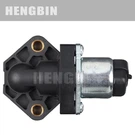
One specific example of a cooling shutoff valve that is applicable in industrial cooling systems is the Cooling Shut - Off Valve 0005061000. This valve is designed to provide reliable and precise control over the coolant flow, making it suitable for a variety of industrial applications. It is constructed from high-quality materials, ensuring resistance to corrosion and wear, and is available in a range of sizes to meet different requirements.
Conclusion
In conclusion, cooling shutoff valves can be effectively used in industrial cooling systems to provide enhanced control, energy savings, reliability, and safety. However, it's important to carefully consider the compatibility, operating conditions, sizing, and installation of the valve to ensure optimal performance. With the right selection and proper maintenance, cooling shutoff valves can play a crucial role in the efficient operation of industrial cooling systems.
If you are interested in learning more about our cooling shutoff valves or have any questions regarding their applicability in your industrial cooling system, please do not hesitate to contact us. We are a leading supplier of high-quality cooling shutoff valves and have extensive experience in providing solutions for a wide range of industrial applications. Our team of experts is ready to assist you in selecting the right valve for your specific needs and ensuring its proper installation and operation.
References
- ASHRAE Handbook - HVAC Systems and Equipment. American Society of Heating, Refrigerating and Air-Conditioning Engineers.
- Valve Handbook: Selection, Installation, and Troubleshooting. by John W. Hicks.
- Industrial Cooling Systems: Design, Operation, and Maintenance. by Frank Kreith.