



Will a Bad Solenoid Valve Make Strange Noises on Honda Motorcycles?
As a dedicated supplier of solenoid valves for Honda motorcycles, I've encountered numerous inquiries from riders regarding the potential link between malfunctioning solenoid valves and strange noises in their bikes. In this blog post, I'll delve into the intricacies of solenoid valves, explore whether a bad solenoid valve can cause strange noises on Honda motorcycles, and provide insights into how to address such issues.
Understanding Solenoid Valves in Honda Motorcycles
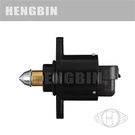
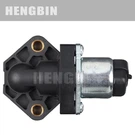
Solenoid valves play a crucial role in the operation of Honda motorcycles. These electromechanical devices are responsible for controlling the flow of fluids or gases within the motorcycle's systems. In Honda motorcycles, solenoid valves are commonly used in various applications, including the fuel system, emission control system, and hydraulic systems.


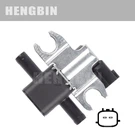
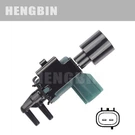
One of the most common types of solenoid valves in Honda motorcycles is the carbon canister solenoid valve. This valve is part of the evaporative emission control system, which is designed to prevent fuel vapors from escaping into the atmosphere. The carbon canister solenoid valve regulates the flow of fuel vapors from the carbon canister to the engine, where they are burned during the combustion process.
Can a Bad Solenoid Valve Cause Strange Noises?
The short answer is yes, a bad solenoid valve can cause strange noises on Honda motorcycles. When a solenoid valve malfunctions, it can produce a variety of unusual sounds, including clicking, buzzing, humming, or rattling noises. These noises can be intermittent or continuous, and they may vary in intensity depending on the severity of the problem.
There are several reasons why a bad solenoid valve may make strange noises. One common cause is a worn or damaged coil. The coil is the electromagnet that controls the opening and closing of the valve. Over time, the coil can become worn or damaged due to heat, vibration, or electrical issues. When the coil malfunctions, it may not be able to generate enough magnetic force to operate the valve properly, resulting in abnormal noises.
Another possible cause of strange noises is a stuck or jammed valve. If the valve becomes stuck in the open or closed position, it can cause the solenoid to continuously try to operate the valve, leading to a clicking or buzzing noise. This can be caused by debris or contaminants in the valve, a damaged valve seat, or a mechanical failure within the valve.
In some cases, a bad solenoid valve may also make strange noises due to improper installation or alignment. If the valve is not installed correctly, it may not be able to operate smoothly, resulting in abnormal noises. Additionally, if the valve is not properly aligned with the surrounding components, it may rub against other parts, causing a rattling or grinding noise.
Symptoms of a Bad Solenoid Valve
In addition to strange noises, there are several other symptoms that may indicate a bad solenoid valve in a Honda motorcycle. These symptoms include:
- Poor Engine Performance: A malfunctioning solenoid valve can affect the flow of fuel or air to the engine, resulting in poor engine performance. This may include rough idling, hesitation, or a decrease in power and acceleration.
- Check Engine Light: A bad solenoid valve can trigger the check engine light on the motorcycle's dashboard. The check engine light is a warning indicator that alerts the rider to a potential problem with the motorcycle's systems. If the check engine light comes on, it is important to have the motorcycle diagnosed by a qualified mechanic as soon as possible.
- Increased Emissions: A malfunctioning carbon canister solenoid valve can cause an increase in fuel vapors escaping into the atmosphere, resulting in higher emissions. This can cause the motorcycle to fail an emissions test and may also contribute to environmental pollution.
- Difficulty Starting: A bad solenoid valve in the fuel system can prevent the engine from starting or make it difficult to start. This may be due to a lack of fuel pressure or a problem with the fuel injection system.
How to Diagnose and Fix a Bad Solenoid Valve
If you suspect that a bad solenoid valve is causing strange noises or other problems in your Honda motorcycle, it is important to have the motorcycle diagnosed by a qualified mechanic. A mechanic can use specialized diagnostic tools to test the solenoid valve and determine if it is functioning properly.
During the diagnostic process, the mechanic will typically start by inspecting the solenoid valve and its wiring for any signs of damage or wear. They may also use a multimeter to test the electrical resistance of the coil and check for any electrical faults. If the solenoid valve is found to be malfunctioning, the mechanic will recommend replacing the valve.
Replacing a solenoid valve in a Honda motorcycle is a relatively straightforward process, but it may require some basic mechanical skills and tools. In most cases, the valve can be accessed by removing a few bolts or screws and disconnecting the wiring harness. Once the old valve is removed, the new valve can be installed in its place, and the wiring harness can be reconnected.
It is important to note that when replacing a solenoid valve, it is recommended to use a high-quality replacement part that is specifically designed for your Honda motorcycle. Using a low-quality or incompatible valve can lead to further problems and may void the motorcycle's warranty.
Our Range of Solenoid Valves for Honda Motorcycles
As a supplier of solenoid valves for Honda motorcycles, we offer a wide range of high-quality replacement parts to meet the needs of Honda riders. Our solenoid valves are manufactured to the highest standards of quality and performance, ensuring reliable operation and long-lasting durability.
Some of the solenoid valves we offer for Honda motorcycles include:
- Carbon Tank Solenoid Valve '0280142498 Suitable for Various Models Such As Volvo: This carbon canister solenoid valve is compatible with a variety of Honda motorcycle models and is designed to meet or exceed the original equipment manufacturer (OEM) specifications.
- Carbon Tank Solenoid Valve '0280142525 Suitable for Various Models Such As BMW: Another high-quality carbon canister solenoid valve that is suitable for Honda motorcycles. This valve is engineered to provide reliable performance and efficient operation.
- Carbon Tank Solenoid Valve '0280142500 Suitable for Various Models Such As ford: This carbon canister solenoid valve is designed to fit a range of Honda motorcycle models and is built to withstand the rigors of daily use.
Contact Us for Your Solenoid Valve Needs
If you are experiencing strange noises or other problems with your Honda motorcycle's solenoid valve, or if you are looking for a high-quality replacement solenoid valve, we encourage you to contact us. Our team of experts is available to provide you with professional advice and assistance, and we can help you find the right solenoid valve for your Honda motorcycle.
Whether you are a professional mechanic or a DIY enthusiast, we are committed to providing you with the best products and services at competitive prices. We offer fast shipping, excellent customer service, and a satisfaction guarantee on all of our products.
Don't let a bad solenoid valve ruin your riding experience. Contact us today to learn more about our range of solenoid valves for Honda motorcycles and to discuss your specific needs. We look forward to hearing from you and helping you keep your Honda motorcycle running smoothly.
References
- "Motorcycle Maintenance Manual: Honda Models," Various editions.
- "Automotive Electrical Systems: Principles and Diagnosis," Author, Publisher, Year.
- "Evaporative Emission Control Systems: How They Work and How to Troubleshoot Them," Online resource, Accessed [Date].