

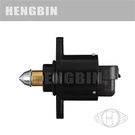

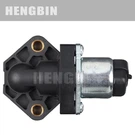

When it comes to the Volkswagen (VW) vehicles, the idle motor plays a crucial role in maintaining the engine's smooth operation at idle speed. As a dedicated supplier of idle motors suitable for VW, understanding the vibration tolerance of these motors is of utmost importance. In this blog, we will delve into the concept of vibration tolerance of an idle motor for VW, its significance, and how it impacts the overall performance of the vehicle.
Understanding the Idle Motor in VW Vehicles
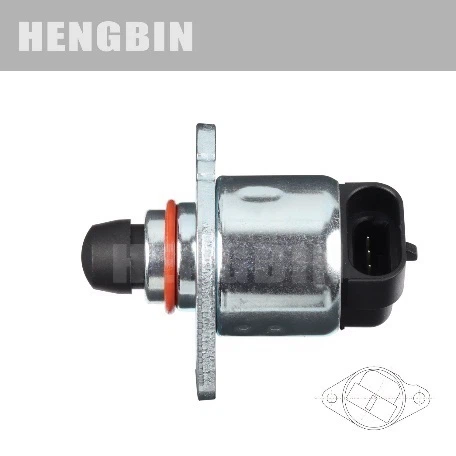
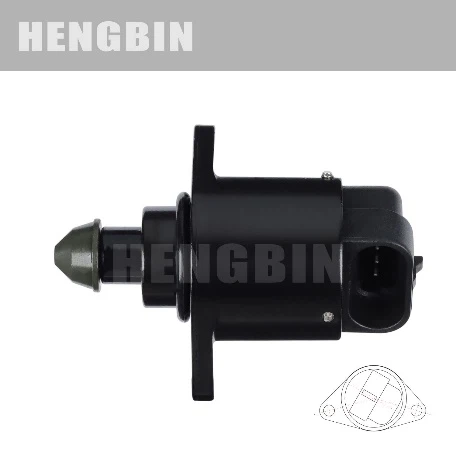
The idle motor, also known as the idle air control valve (IACV), is an essential component in modern engine management systems. Its primary function is to regulate the amount of air that bypasses the throttle plate when the engine is idling. By controlling the air - flow, the idle motor helps maintain a stable and appropriate idle speed, ensuring that the engine runs smoothly without stalling.
In VW vehicles, the idle motor is precisely calibrated to work in harmony with the engine's electronic control unit (ECU). The ECU continuously monitors various engine parameters such as engine temperature, throttle position, and load, and then sends signals to the idle motor to adjust the air - flow accordingly.
What is Vibration Tolerance?
Vibration tolerance refers to the ability of an idle motor to withstand vibrations without experiencing significant performance degradation or damage. In a vehicle, there are numerous sources of vibration. The engine itself is a major source, as the reciprocating motion of the pistons, the rotation of the crankshaft, and the operation of other internal components generate vibrations. Additionally, road conditions, such as bumps and uneven surfaces, can also transmit vibrations to the vehicle's components, including the idle motor.
A high - quality idle motor suitable for VW should have a certain level of vibration tolerance. This is because excessive vibrations can cause several problems. For example, it can lead to loose connections within the motor, which may result in intermittent electrical contact. This, in turn, can cause erratic idle speed, engine stalling, or even trigger the check engine light. Moreover, long - term exposure to high - amplitude vibrations can cause mechanical wear and tear on the motor's moving parts, reducing its lifespan.
Factors Affecting Vibration Tolerance
1. Design and Construction
The design and construction of the idle motor play a significant role in determining its vibration tolerance. A well - designed idle motor will have a robust housing that can effectively dampen vibrations. For instance, some idle motors are equipped with rubber mounts or shock - absorbing materials to isolate the internal components from external vibrations. The internal structure of the motor, such as the arrangement of the gears and the quality of the bearings, also affects its ability to withstand vibrations.
2. Material Quality
The materials used in the manufacturing of the idle motor are crucial. High - quality materials, such as durable plastics and metals with good mechanical properties, can enhance the motor's vibration resistance. For example, using high - strength aluminum alloy for the motor housing can provide better structural integrity and reduce the risk of deformation under vibration.
3. Installation
Proper installation is essential for ensuring the idle motor's vibration tolerance. If the motor is not installed correctly, it may be more susceptible to vibrations. For example, if the mounting bolts are not tightened to the correct torque, the motor may move slightly during operation, increasing the impact of vibrations.
Determining the Suitable Vibration Tolerance for VW Idle Motors
To determine the suitable vibration tolerance for an idle motor in VW vehicles, several factors need to be considered.
Firstly, the specific model of the VW vehicle is important. Different VW models may have different engine configurations and operating conditions, which will affect the level of vibrations experienced by the idle motor. For example, a high - performance VW model with a powerful engine may generate more vibrations compared to a standard - sized economy model.
Secondly, the intended use of the vehicle also matters. If the vehicle is mainly used for city driving, where there are frequent stops and starts, the idle motor may be exposed to more sudden changes in engine load and vibrations. On the other hand, a vehicle used for highway driving may experience relatively more consistent vibrations.
In general, through extensive testing and research, we have found that an idle motor for VW should be able to tolerate vibrations within a certain frequency range and amplitude. For most VW models, an idle motor with a vibration tolerance of up to 2 - 3 g (where g is the acceleration due to gravity, approximately 9.8 m/s²) in the frequency range of 10 - 200 Hz is considered suitable. This level of vibration tolerance ensures that the motor can operate reliably under normal driving conditions.
Our Idle Motors for VW and Vibration Tolerance
As a supplier of idle motors suitable for VW, we take vibration tolerance very seriously. Our idle motors are designed and manufactured using the latest technology and high - quality materials.
We conduct rigorous vibration tests on our products to ensure that they meet or exceed the industry standards. During the testing process, our idle motors are subjected to simulated vibrations that mimic the real - world conditions in VW vehicles. This includes vibrations from the engine, road surfaces, and other sources. Only the motors that pass these strict tests are approved for sale.
In addition to our VW - specific idle motors, we also offer a wide range of other idle motors suitable for various automotive models. For example, you can check out our Idle Motor A97113 Is Suitable for A Variety Of Automotive Models Such As Hyundai, Idle Motor 17113598 Is Suitable for Various Automotive Models Such As GMC, and Generic IDLE AIR CONTROL VALVE 61296 Is Suitable for All Kinds Of Automotive Models.
Importance of Choosing the Right Idle Motor with Appropriate Vibration Tolerance
Choosing an idle motor with the appropriate vibration tolerance for your VW vehicle is crucial for several reasons.
Firstly, it ensures the reliability of the engine. A motor with good vibration tolerance will be less likely to fail due to vibrations, reducing the risk of unexpected breakdowns and costly repairs.
Secondly, it improves the overall driving experience. A stable idle speed, which is maintained by a well - functioning idle motor, contributes to a smoother and more comfortable ride. You won't have to worry about the engine stalling or running rough at idle.
Finally, it can also help in maintaining the vehicle's fuel efficiency. An idle motor that operates correctly can optimize the air - fuel mixture at idle, reducing unnecessary fuel consumption.
Contact Us for Procurement
If you are in the market for high - quality idle motors suitable for VW or other automotive models, we are here to assist you. Our team of experts can provide you with detailed information about our products, including their vibration tolerance, performance, and compatibility. We are committed to providing the best products and services to meet your needs. Whether you are an automotive repair shop, a parts distributor, or an individual vehicle owner, we welcome you to contact us for procurement and further discussions.
References
- Bosch Automotive Handbook, 7th Edition
- SAE International standards on automotive component vibration testing
- Technical literature from Volkswagen AG on engine management systems