



Humidity is a crucial environmental factor that can significantly influence the performance and longevity of various automotive components, including the EGR vacuum solenoid valve. As a leading supplier of EGR vacuum solenoid valves, I've witnessed firsthand how humidity can impact these vital parts. In this blog, I'll delve into the effects of humidity on EGR vacuum solenoid valves, exploring the underlying mechanisms and providing insights into how to mitigate potential issues.
Understanding the EGR Vacuum Solenoid Valve
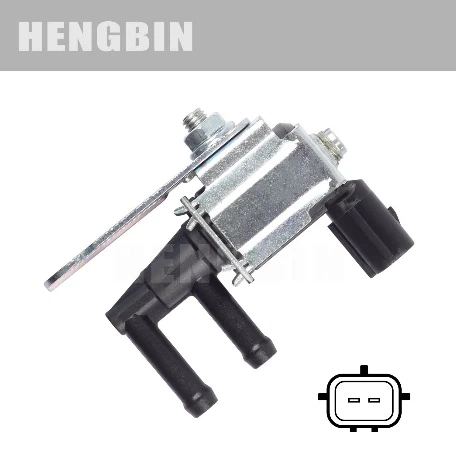
Before we discuss the impact of humidity, let's briefly understand what an EGR vacuum solenoid valve is and its role in a vehicle. The Exhaust Gas Recirculation (EGR) system is designed to reduce nitrogen oxide (NOx) emissions by recirculating a portion of the exhaust gases back into the engine's intake manifold. The EGR vacuum solenoid valve controls the flow of exhaust gases by regulating the vacuum signal to the EGR valve. This precise control is essential for maintaining optimal engine performance and meeting emission standards.
How Humidity Affects the EGR Vacuum Solenoid Valve
Humidity can affect the EGR vacuum solenoid valve in several ways, primarily through corrosion, electrical malfunctions, and the accumulation of moisture.
Corrosion
One of the most significant impacts of humidity on the EGR vacuum solenoid valve is corrosion. When the valve is exposed to high humidity levels, the moisture in the air can react with the metal components of the valve, leading to the formation of rust and corrosion. Corrosion can weaken the structural integrity of the valve, causing it to malfunction or fail prematurely. For example, the corrosion of the valve's housing or internal components can lead to leaks, which can disrupt the vacuum signal and affect the proper operation of the EGR system.
Electrical Malfunctions
Humidity can also cause electrical malfunctions in the EGR vacuum solenoid valve. The valve relies on an electrical signal to operate, and moisture can interfere with the electrical connections and circuitry. When moisture enters the valve, it can cause short circuits, which can damage the solenoid coil or other electrical components. This can result in the valve failing to open or close properly, leading to issues such as rough idling, reduced engine power, and increased emissions.
Moisture Accumulation
In addition to corrosion and electrical malfunctions, humidity can cause moisture to accumulate inside the EGR vacuum solenoid valve. This moisture can freeze in cold temperatures, causing the valve to become stuck or jammed. Even in warmer temperatures, the presence of moisture can lead to the growth of mold and bacteria, which can further damage the valve and affect its performance.
Real-World Examples of Humidity Impact
To illustrate the impact of humidity on EGR vacuum solenoid valves, let's consider a few real-world examples. In coastal areas, where the humidity levels are typically high, vehicles are more prone to experiencing issues with their EGR systems. The saltwater in the air can accelerate the corrosion process, leading to premature failure of the EGR vacuum solenoid valve. Similarly, in regions with high humidity and frequent rainfall, vehicles may experience electrical malfunctions due to moisture ingress.
Mitigating the Impact of Humidity
As a supplier of EGR vacuum solenoid valves, we understand the importance of mitigating the impact of humidity on these components. Here are some strategies that can help protect the EGR vacuum solenoid valve from the effects of humidity:
Proper Installation
Proper installation is crucial for ensuring the longevity of the EGR vacuum solenoid valve. The valve should be installed in a location that is protected from moisture and other environmental factors. This may involve using protective covers or shields to prevent water from entering the valve.
Regular Maintenance
Regular maintenance is essential for detecting and addressing any issues with the EGR vacuum solenoid valve before they become serious. This includes inspecting the valve for signs of corrosion, damage, or moisture accumulation. If any issues are detected, the valve should be replaced or repaired immediately.
High-Quality Components
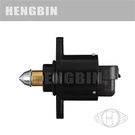
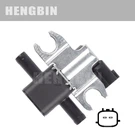
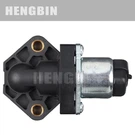
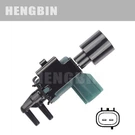
Using high-quality EGR vacuum solenoid valves can also help mitigate the impact of humidity. Our company offers a range of EGR Vacuum Solenoid Valve 25860 - 30070 Suitable for Various Automotive Models Such As Lexus, EGR Vacuum Solenoid Valve K5T48279 Is Suitable for Various Automotive Models Such As Haima, and EGR Vacuum Solenoid Valve K5T48290 Suitable for Various Automotive Models Such As Haima that are designed to withstand harsh environmental conditions. These valves are made from high-quality materials and are coated with corrosion-resistant finishes to protect them from the effects of humidity.
Conclusion
In conclusion, humidity can have a significant impact on the performance and longevity of the EGR vacuum solenoid valve. Corrosion, electrical malfunctions, and moisture accumulation are some of the key issues that can arise due to high humidity levels. However, by taking appropriate measures such as proper installation, regular maintenance, and using high-quality components, these issues can be mitigated.
If you're in the market for reliable EGR vacuum solenoid valves, we invite you to explore our product range. Our valves are designed to provide optimal performance and durability, even in high-humidity environments. Contact us today to discuss your specific requirements and start a procurement negotiation.

References
- Heywood, J. B. (1988). Internal Combustion Engine Fundamentals. McGraw-Hill.
- Crolla, D. A. (2001). Automotive Chassis Systems. SAE International.
- Society of Automotive Engineers (SAE). (2019). SAE Handbook. SAE International.