



Hey there, fellow car enthusiasts! As a supplier of carbon canister solenoid valves, I've seen firsthand how these little components play a huge role in a vehicle's overall performance, especially when it comes to the On - Board Diagnostic II (OBD - II) system. So, let's dig into what happens when a carbon canister solenoid valve fails and how it impacts the OBD - II system.
First off, let's quickly go over what a carbon canister solenoid valve is and what it does. The carbon canister solenoid valve is part of the vehicle's evaporative emission control system (EVAP). Its main job is to control the flow of fuel vapors from the carbon canister to the engine's intake manifold. The carbon canister stores fuel vapors that would otherwise escape into the atmosphere. When the engine is running, the solenoid valve opens and allows these vapors to be drawn into the engine and burned, which not only reduces emissions but also helps improve fuel efficiency.
Now, when this valve fails, it can spell trouble for your vehicle's OBD - II system. The OBD - II system is designed to monitor the performance of various vehicle systems, including the EVAP system. It constantly checks for any malfunctions and stores diagnostic trouble codes (DTCs) when it detects an issue.
One of the most common signs of a failed carbon canister solenoid valve is the illumination of the Check Engine Light (CEL) on your dashboard. The OBD - II system uses sensors to detect abnormal behavior in the EVAP system. If the solenoid valve is stuck open or closed, it can cause an imbalance in the pressure within the EVAP system. The sensors pick up on this pressure difference and trigger the OBD - II system to set a DTC. For example, if the valve is stuck open, it can allow too much fuel vapor to enter the engine, causing a rich fuel - air mixture. This can lead to rough idling, poor fuel economy, and even stalling in some cases. The OBD - II system will detect this abnormal operation and store a code related to an EVAP system leak or improper vapor flow.
On the other hand, if the valve is stuck closed, fuel vapors can't be purged from the carbon canister. Over time, the canister can become saturated, and the excess vapors may escape into the atmosphere, which is a violation of emission standards. The OBD - II system will detect the lack of proper vapor flow and set a code indicating a problem with the EVAP purge control.
Another impact on the OBD - II system is the potential for false readings. A malfunctioning solenoid valve can disrupt the normal operation of other components in the EVAP system. For instance, it can affect the operation of the EVAP pressure sensor. This sensor measures the pressure within the EVAP system to ensure that it is within the normal range. If the solenoid valve is not working correctly, the pressure readings can be inaccurate, leading the OBD - II system to misinterpret the data and set incorrect DTCs. This can make it more difficult for mechanics to diagnose the actual problem, as they may have to spend more time troubleshooting and ruling out false codes.
Let's talk about how this failure can affect emissions testing. Most states and countries require vehicles to undergo regular emissions testing to ensure they meet environmental standards. A failed carbon canister solenoid valve can cause your vehicle to fail these tests. Since the OBD - II system stores information about the EVAP system's performance, emissions testers can access this data. If there are DTCs related to the EVAP system, it's a clear indication that the vehicle is not operating within the acceptable emission limits. This means you'll have to get the valve replaced and the issue resolved before you can pass the emissions test.
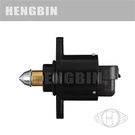
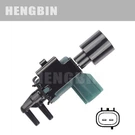
If you're in the market for a replacement carbon canister solenoid valve, we've got you covered. We offer a wide range of high - quality valves suitable for various vehicle models. For example, we have the Carbon Tank Solenoid Valve 136200 - 7020 Suitable for Various Models Such As Honda. This valve is designed to fit perfectly in Honda vehicles and ensure optimal performance of the EVAP system.
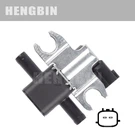
We also have the Carbon Tank Solenoid Valve 12632174 Is Suitable for Various Models Such As Buick. It's a reliable replacement part that will help keep your Buick's emissions in check and your OBD - II system happy.


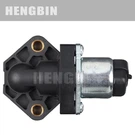
And for Toyota owners, our Carbon Tank Solenoid Valve 0280142489 Suitable for Various Models Such As Toyota is a great option. It's built to last and provides the same level of performance as the original equipment.
In addition to the Check Engine Light and emissions issues, a failed carbon canister solenoid valve can also lead to long - term damage to other parts of the vehicle. For example, if the valve is stuck open and a rich fuel - air mixture is constantly being fed into the engine, it can cause carbon buildup on the spark plugs, valves, and pistons. This can reduce engine performance and longevity. The OBD - II system may not directly detect this carbon buildup, but it can be a secondary effect of the solenoid valve failure.
Moreover, a malfunctioning solenoid valve can also put additional stress on the fuel pump. If the valve is not controlling the vapor flow properly, the fuel pump may have to work harder to maintain the correct fuel pressure. This can lead to premature wear and failure of the fuel pump, which is a much more expensive repair.
So, if you suspect that your carbon canister solenoid valve is failing, it's important to address the issue as soon as possible. Ignoring the problem can not only lead to more severe damage but also result in higher repair costs down the road.
As a carbon canister solenoid valve supplier, we understand the importance of providing high - quality products. Our valves are made from top - notch materials and are rigorously tested to ensure they meet or exceed OEM specifications. We know that a reliable solenoid valve is crucial for the proper functioning of your vehicle's EVAP system and OBD - II system.
If you're experiencing any of the symptoms we've discussed, such as a Check Engine Light, rough idling, or poor fuel economy, don't hesitate to reach out. We're here to help you find the right carbon canister solenoid valve for your vehicle and ensure that your OBD - II system is back to normal. Whether you're a DIY mechanic or a professional auto repair shop, we can provide you with the parts you need.
In conclusion, a failed carbon canister solenoid valve can have a significant impact on your vehicle's OBD - II system. It can trigger the Check Engine Light, cause false readings, and lead to emissions problems. But with the right replacement valve, you can get your vehicle back on track and running smoothly. So, if you're in the market for a new carbon canister solenoid valve, give us a shout. We're ready to assist you with your purchase and answer any questions you may have.
References
- "Automotive Technology: A Systems Approach" by James D. Halderman
- "Modern Automotive Technology" by Thomas D. Gillespie
- Vehicle manufacturer's service manuals