

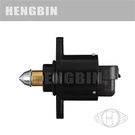
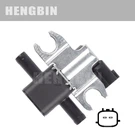

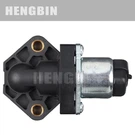

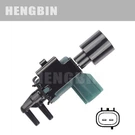
As a dedicated supplier of EGR vacuum solenoid valves for Nissan, I've had the privilege of working closely with these critical components and understanding their impact on vehicle performance. The Exhaust Gas Recirculation (EGR) vacuum solenoid valve plays a pivotal role in the emission control system of a Nissan Maxima. When this valve starts to fail, it can lead to a series of symptoms that affect the car's performance, fuel efficiency, and emissions. In this blog, I'll delve into the tell - tale signs of a failing EGR vacuum solenoid valve in a Nissan Maxima.
1. Check Engine Light Illumination
One of the most common and immediate symptoms of a failing EGR vacuum solenoid valve is the illumination of the check engine light on the Nissan Maxima's dashboard. The car's onboard diagnostic system (OBD) continuously monitors the performance of various components, including the EGR system. When it detects an issue with the EGR vacuum solenoid valve, such as incorrect voltage, improper operation, or a malfunction in the electrical circuit, it will trigger the check engine light. This is a warning sign that something is amiss in the EGR system and should not be ignored.
When the check engine light comes on, it's advisable to use an OBD scanner to retrieve the trouble codes. These codes can provide more specific information about the problem, often indicating an issue with the EGR vacuum solenoid valve. For instance, codes like P0400, P0401, or P0402 are commonly associated with EGR system malfunctions, which may point to a faulty solenoid valve.
2. Poor Engine Performance
A failing EGR vacuum solenoid valve can have a significant impact on the engine's performance. The EGR system is designed to recirculate a small amount of exhaust gas back into the combustion chamber, which helps to lower combustion temperatures and reduce nitrogen oxide (NOx) emissions. When the EGR vacuum solenoid valve fails, it may not regulate the flow of exhaust gas properly.
If the valve is stuck open, an excessive amount of exhaust gas may enter the combustion chamber. This can lead to a decrease in engine power, rough idling, and even stalling. The engine may feel sluggish, especially during acceleration, and there may be a noticeable lack of responsiveness. On the other hand, if the valve is stuck closed, no exhaust gas is recirculated, which can cause the engine to run hotter and produce higher levels of NOx emissions. This can also lead to detonation or knocking, which is a harmful condition that can damage the engine over time.
3. Reduced Fuel Efficiency
Another symptom of a failing EGR vacuum solenoid valve is reduced fuel efficiency. When the valve malfunctions, the engine's air - fuel mixture may be affected. As mentioned earlier, if the valve is stuck open, too much exhaust gas can dilute the air - fuel mixture, making it lean. A lean mixture can cause the engine to misfire and run inefficiently, resulting in increased fuel consumption.
Conversely, if the valve is stuck closed, the engine may run richer than normal due to the lack of exhaust gas recirculation. A rich mixture means that there is more fuel than necessary in the combustion chamber, which also leads to wasted fuel and decreased fuel economy. Over time, this can result in significant additional costs for the vehicle owner in terms of fuel expenses.
4. Increased Emissions
The primary function of the EGR system is to reduce emissions, particularly NOx. When the EGR vacuum solenoid valve fails, it can disrupt the proper operation of the EGR system, leading to increased emissions. If the valve is stuck open, the engine may produce excessive amounts of carbon monoxide (CO) and hydrocarbons (HC) because of the improper combustion caused by the diluted air - fuel mixture.
If the valve is stuck closed, the lack of exhaust gas recirculation can cause a significant increase in NOx emissions. High levels of NOx are a major contributor to air pollution and can lead to environmental problems such as smog and acid rain. In addition, vehicles with excessive emissions may fail emissions tests, which can be a problem for vehicle owners in areas with strict emissions regulations.
5. Rough Idling and Stalling
A faulty EGR vacuum solenoid valve can also cause the Nissan Maxima to experience rough idling and stalling. When the valve is not functioning correctly, the engine may not receive the proper amount of exhaust gas recirculation at idle. This can disrupt the stability of the engine's idle speed, causing it to fluctuate or run roughly.


In some cases, the engine may even stall completely, especially when coming to a stop or when idling for an extended period. This can be a dangerous situation, especially if it occurs while driving in traffic. If you notice that your Nissan Maxima is idling roughly or stalling, it's important to have the EGR vacuum solenoid valve checked as soon as possible.
Our Product Offerings
As a supplier of EGR vacuum solenoid valves for Nissan, we offer a wide range of high - quality products. For example, we have the EGR Vacuum Solenoid Valve 100005955 Suitable for Various Automotive Models, Such As Fumeilai. This valve is designed to meet the strictest quality standards and provides reliable performance.
We also have the EGR Vacuum Solenoid Valve K5T48477 Is Suitable for Various Automotive Models Such As Pajero, which is known for its durability and precision in controlling the exhaust gas recirculation. And our EGR Vacuum Solenoid Valve K5T81297 Suitable for Various Automotive Models Such As ford offers excellent compatibility and efficient operation.
If you are experiencing any of the symptoms mentioned above in your Nissan Maxima, it may be time to replace the EGR vacuum solenoid valve. Our products are carefully engineered to ensure proper fit and function, helping to restore your vehicle's performance and reduce emissions.
Conclusion
If you're a Nissan Maxima owner and notice any of these symptoms, don't hesitate to take action. Contact us for more information about our EGR vacuum solenoid valves and to discuss your procurement needs. We're here to help you keep your Nissan Maxima running smoothly and efficiently.
References
- Haynes Repair Manual for Nissan Maxima
- Chilton's Automotive Repair Manual
- Technical Bulletins from Nissan Motor Company