

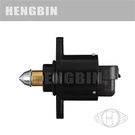
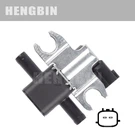

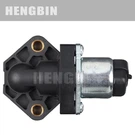

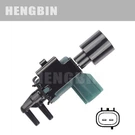
As a seasoned supplier of carbon canister shut-off valves, I've witnessed firsthand the critical role these components play in modern automotive systems. These valves are essential for controlling the flow of fuel vapors from the carbon canister to the engine intake, helping to reduce emissions and improve fuel efficiency. In this blog post, I'll discuss the installation tools required for a carbon canister shut-off valve, providing you with a comprehensive guide to ensure a successful installation.
1. Basic Hand Tools
Socket Set
A good-quality socket set is a must-have for any automotive installation. You'll need sockets in various sizes to remove and install the bolts and nuts that secure the carbon canister shut-off valve. Typically, sizes ranging from 8mm to 13mm are commonly used, but it's best to check your vehicle's service manual for the exact requirements. For example, when installing the Carbon Canister Shut-off Valve1130010-BN02and0522A-2-0432 Suitable for Various Car Models Such As Yidong, you may need a 10mm socket to remove the mounting bolts.
Wrenches
In addition to a socket set, a set of open-end and adjustable wrenches can be very useful. Open-end wrenches are handy for quickly loosening or tightening nuts and bolts in tight spaces where a socket may not fit. Adjustable wrenches, on the other hand, can be adjusted to fit different sizes of fasteners, providing flexibility during the installation process.
Screwdrivers
Phillips and flathead screwdrivers are essential for removing and installing screws that may be holding the valve in place or securing the electrical connectors. Make sure to choose screwdrivers with the appropriate tip size to avoid stripping the screws.
2. Pliers
Needle-Nose Pliers
Needle-nose pliers are great for reaching into tight spaces and gripping small components. They can be used to remove or install small clips, connectors, or hoses. For instance, when disconnecting the vacuum hoses from the carbon canister shut-off valve, needle-nose pliers can help you gently squeeze the hose clamps and slide the hoses off.
Hose Clamp Pliers
Hose clamp pliers are specifically designed to open and close hose clamps. These pliers make it easy to remove and install the clamps that secure the fuel vapor hoses to the valve. When installing the Carbon Canister Shut-off ValveCPV126and13575701and Other Models Suitable for Various Car Models Such As Changan, you'll need to use hose clamp pliers to ensure a proper seal between the hoses and the valve.
3. Sealant and Lubricant
Gasket Sealant
Gasket sealant is used to create a leak-proof seal between the valve and the mounting surface. Before installing the carbon canister shut-off valve, apply a thin layer of gasket sealant to the mating surfaces of the valve and the mounting bracket. This will help prevent fuel vapor leaks and ensure the proper functioning of the valve.
Lubricant
A small amount of lubricant can be applied to the O-rings and gaskets to make them easier to install and prevent damage. Silicone-based lubricants are commonly used for this purpose, as they are compatible with rubber and plastic components.
4. Electrical Tools
Multimeter
A multimeter is a valuable tool for testing the electrical connections and functionality of the carbon canister shut-off valve. Before installing the valve, use the multimeter to check the resistance of the valve's solenoid. This will help you ensure that the valve is in good working condition. You can also use the multimeter to test the voltage at the electrical connectors to make sure that the valve is receiving the proper power supply.
Wire Strippers and Crimpers
If you need to make any electrical connections during the installation process, wire strippers and crimpers are essential tools. Wire strippers are used to remove the insulation from the wires, while crimpers are used to attach connectors to the wires. Make sure to follow the proper wiring diagram and use the correct size of connectors and crimps.
5. Safety Equipment
Safety Glasses
Safety glasses are a must when working on any automotive component. They protect your eyes from debris, chemicals, and other hazards that may be present during the installation process.
Gloves
Wearing gloves can help protect your hands from cuts, burns, and chemicals. Choose gloves that are appropriate for the task at hand, such as nitrile gloves for handling fuel or latex gloves for general work.
Installation Process
Now that you have all the necessary tools, let's briefly go through the installation process of a carbon canister shut-off valve.
- Disconnect the Battery: Before starting any work on the vehicle, disconnect the negative terminal of the battery to prevent electrical shock and damage to the vehicle's electrical system.
- Locate the Carbon Canister Shut-off Valve: The valve is usually located near the carbon canister or the engine intake manifold. Refer to your vehicle's service manual for the exact location.
- Remove the Old Valve: Use the appropriate tools to remove the bolts, nuts, hoses, and electrical connectors that are holding the old valve in place. Be careful not to damage the surrounding components.
- Clean the Mounting Surface: Use a clean cloth to remove any dirt, debris, or old gasket material from the mounting surface.
- Install the New Valve: Apply a thin layer of gasket sealant to the mating surfaces of the new valve and the mounting bracket. Carefully position the valve and install the bolts, nuts, hoses, and electrical connectors. Make sure to tighten the fasteners to the specified torque.
- Reconnect the Battery: Once the valve is installed, reconnect the negative terminal of the battery.
- Test the Valve: Start the vehicle and check for any signs of fuel vapor leaks or abnormal operation. Use the multimeter to test the electrical connections and functionality of the valve.
Conclusion
Installing a carbon canister shut-off valve requires the right tools and a basic understanding of the installation process. By having the tools mentioned above and following the proper procedures, you can ensure a successful installation and keep your vehicle running smoothly.
If you're in the market for high-quality carbon canister shut-off valves, we offer a wide range of products suitable for various car models, such as the Carbon Canister Shut-off Valve1130010-BN02and0522A-2-0432 Suitable for Various Car Models Such As Yidong, Carbon Canister Shut-off ValveCPV126and13575701and Other Models Suitable for Various Car Models Such As Changan, and Carbon Canister Shut-off ValveCK1101024L3and1130010-BN01 Suitable for Various Vehicle Models Such As Dongfeng. We're committed to providing our customers with top-notch products and excellent service. If you have any questions or would like to discuss your procurement needs, please feel free to reach out to us.


References
- Haynes Automotive Repair Manuals
- Vehicle Manufacturer Service Manuals