

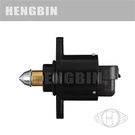
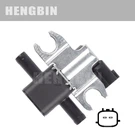

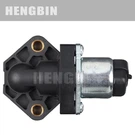

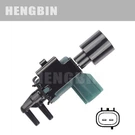
Hey there, fellow motorcycle enthusiasts! As a supplier of solenoid valves for Honda motorcycles, I've seen a lot of questions floating around about the differences between OEM (Original Equipment Manufacturer) and aftermarket solenoid valves. So, I thought I'd take a deep dive into this topic and share some insights with you.
What Are Solenoid Valves and Why Do They Matter?
Before we get into the differences between OEM and aftermarket solenoid valves, let's quickly go over what solenoid valves are and why they're important for your Honda motorcycle. Solenoid valves are electromechanically operated valves that control the flow of fluids or gases in a system. In the context of a motorcycle, they play a crucial role in various functions, such as fuel injection, emissions control, and hydraulic systems.
For example, in the emissions control system, a solenoid valve helps regulate the flow of fuel vapors from the carbon canister to the engine. This not only helps reduce harmful emissions but also improves fuel efficiency. So, having a properly functioning solenoid valve is essential for the overall performance and environmental friendliness of your Honda motorcycle.
OEM Solenoid Valves: The Factory Standard
OEM solenoid valves are the ones that are originally installed in your Honda motorcycle at the factory. They are designed and manufactured by the same company that made your bike, or by a supplier that meets the strict specifications set by Honda. Here are some of the key characteristics of OEM solenoid valves:
Quality and Compatibility
One of the biggest advantages of OEM solenoid valves is their high quality and perfect compatibility with your Honda motorcycle. Since they are made to the exact specifications of your bike, you can be sure that they will fit and function properly. This means fewer installation issues and a lower risk of compatibility problems down the road.
Warranty and Support
When you buy an OEM solenoid valve, you usually get a warranty from the manufacturer. This gives you peace of mind knowing that if something goes wrong with the valve, you can get it replaced or repaired at no extra cost. Additionally, Honda's customer support network can provide you with expert advice and assistance if you have any questions or problems with the valve.
Cost
However, all these benefits come at a price. OEM solenoid valves are generally more expensive than aftermarket ones. This is because of the high cost of research, development, and manufacturing that goes into producing them. So, if you're on a tight budget, an OEM solenoid valve might not be the most cost-effective option for you.
Aftermarket Solenoid Valves: A Cost-Effective Alternative
Aftermarket solenoid valves are made by third-party manufacturers that are not affiliated with Honda. They are designed to be compatible with Honda motorcycles but are often sold at a lower price. Here are some of the pros and cons of aftermarket solenoid valves:
Cost Savings
The most obvious advantage of aftermarket solenoid valves is their lower cost. Since aftermarket manufacturers don't have the same level of overhead as OEM manufacturers, they can offer their products at a more affordable price. This makes them a great option for riders who are looking to save some money without sacrificing too much on quality.


Variety and Innovation
Aftermarket manufacturers often offer a wider range of solenoid valves than OEMs. This means you might be able to find a valve that has additional features or performance enhancements that are not available in the OEM version. For example, some aftermarket solenoid valves might have a faster response time or a more durable construction.
Quality and Compatibility Concerns
However, not all aftermarket solenoid valves are created equal. Some may be of lower quality and may not fit or function as well as OEM valves. This can lead to installation issues, performance problems, and even damage to your motorcycle. So, it's important to do your research and choose a reputable aftermarket manufacturer that has a good track record of producing high-quality products.
How to Choose Between OEM and Aftermarket Solenoid Valves
So, how do you decide whether to go for an OEM or an aftermarket solenoid valve for your Honda motorcycle? Here are some factors to consider:
Budget
If you have a limited budget, an aftermarket solenoid valve might be the way to go. However, if you can afford it, investing in an OEM valve can give you peace of mind knowing that you're getting a high-quality, perfectly compatible product.
Performance Requirements
If you're a performance enthusiast or if you use your motorcycle for racing or other high-performance applications, you might want to consider an aftermarket solenoid valve that offers additional features or performance enhancements. On the other hand, if you just use your bike for daily commuting, an OEM valve should be sufficient.
Warranty and Support
If you value the peace of mind that comes with a warranty and the support of the manufacturer, an OEM solenoid valve is the better choice. However, some aftermarket manufacturers also offer warranties and good customer support, so it's worth checking out their policies before making a decision.
Our Product Offerings
As a supplier of solenoid valves for Honda motorcycles, we offer a wide range of both OEM and aftermarket options. Whether you're looking for a direct replacement for your existing valve or a performance upgrade, we've got you covered.
We also have some great options for other vehicle models. For example, we have the Carbon Tank Solenoid Valve 0280142553 Suitable for Various Models Such As Geely, the Carbon Tank Solenoid Valve 10077000 Is Suitable for Various Models, Such As SAIC Maxus, and the Carbon Tank Solenoid Valve Is Suitable for Various Models Such As ford. These valves are designed to meet the highest standards of quality and performance, and they're available at competitive prices.
Conclusion
In conclusion, both OEM and aftermarket solenoid valves have their pros and cons. The choice between the two depends on your budget, performance requirements, and personal preferences. As a supplier, we're here to help you make the right decision and provide you with the best possible product for your Honda motorcycle.
If you're interested in learning more about our solenoid valves or if you have any questions, please don't hesitate to contact us. We'd be happy to discuss your needs and help you find the perfect valve for your bike. Let's work together to keep your Honda motorcycle running smoothly and efficiently!
References
- Motorcycle Maintenance Manuals
- Industry Reports on Solenoid Valve Manufacturing
- Online Forums and Communities for Motorcycle Enthusiasts