

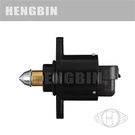
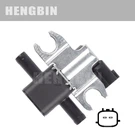

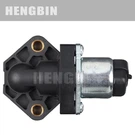

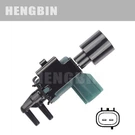
Hey there! As a supplier of EGR vacuum solenoid valves, I often get asked if there's a way to bypass an EGR vacuum solenoid valve. Well, let's dig into this topic and see what's what.
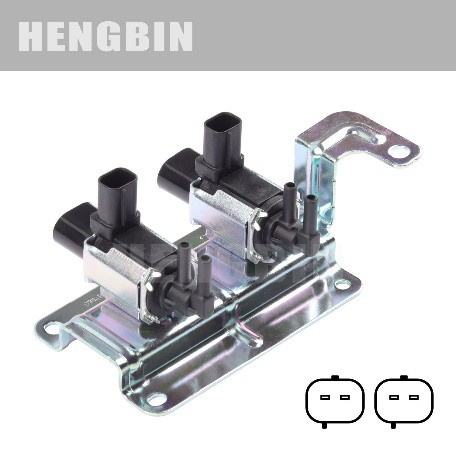
First off, let's understand what an EGR vacuum solenoid valve does. The Exhaust Gas Recirculation (EGR) system in a vehicle is designed to reduce nitrogen oxide (NOx) emissions. The EGR vacuum solenoid valve plays a crucial role in this system. It controls the flow of exhaust gases that are recirculated back into the engine's intake manifold. When the engine is running under certain conditions, the valve opens to allow a small amount of exhaust gas to mix with the incoming air - fuel mixture. This lowers the combustion temperature, which in turn reduces the formation of NOx.
Now, some people might be thinking about bypassing the EGR vacuum solenoid valve. There could be a few reasons for this. One common reason is that they're experiencing problems with the EGR system, like a clogged EGR valve or a malfunctioning solenoid. When these issues occur, the engine might start to run rough, have reduced power, or trigger the check - engine light. Another reason could be that they want to increase the engine's performance. By bypassing the EGR system, they think they can get more power and better fuel efficiency.
But is it really a good idea to bypass the EGR vacuum solenoid valve? Well, there are both pros and cons.

The Pros
If you bypass the EGR vacuum solenoid valve, you can potentially avoid some of the problems associated with a faulty EGR system. For example, a clogged EGR valve can cause carbon deposits to build up in the intake manifold and on the valves. This can lead to poor engine performance and increased wear and tear. By bypassing the valve, you can prevent these carbon deposits from forming.
In some cases, bypassing the EGR system might also give you a slight boost in power. Since the engine doesn't have to deal with the recirculated exhaust gases, it can breathe a little easier. This can result in a small increase in horsepower and torque.
The Cons
However, there are some major drawbacks to bypassing the EGR vacuum solenoid valve. First of all, it's illegal in many places. Most countries and states have strict emissions regulations, and the EGR system is an important part of meeting those standards. If you're caught with a bypassed EGR system, you could face hefty fines and your vehicle might fail its emissions test.
Secondly, bypassing the EGR system can actually harm your engine in the long run. The recirculated exhaust gases help to cool down the combustion process. Without them, the combustion temperatures can get too high. This can lead to pre - ignition, detonation, and increased engine wear. Over time, this can cause serious damage to your engine, such as cracked pistons, warped valves, and damaged cylinder heads.
How to Bypass an EGR Vacuum Solenoid Valve
If you still want to go ahead and bypass the EGR vacuum solenoid valve, here's a general idea of how it can be done. But remember, I'm not recommending this due to the legal and engine - damage risks.
- Locate the EGR Vacuum Solenoid Valve: The valve is usually located near the engine, often on or near the intake manifold. It's a small, electrically - operated valve with vacuum lines connected to it.
- Disconnect the Electrical Connector: Use a small flat - head screwdriver or a pair of pliers to gently pry the electrical connector off the valve.
- Remove the Vacuum Lines: There are typically two or more vacuum lines connected to the valve. Carefully remove these lines, making sure to keep track of where they go.
- Plug the Vacuum Ports: You'll need to plug the vacuum ports on the intake manifold and anywhere else the vacuum lines were connected. You can use rubber plugs or small bolts to do this.
- Disable the Check - Engine Light (Optional): Bypassing the EGR system will usually trigger the check - engine light. You can use an OBD - II scanner to clear the trouble codes, but they'll likely come back. Some people use a resistor or a bypass module to trick the engine control unit (ECU) into thinking the EGR system is still working properly.
Our EGR Vacuum Solenoid Valves
Instead of bypassing the EGR vacuum solenoid valve, I'd highly recommend getting a new, high - quality valve. We're a supplier of top - notch EGR vacuum solenoid valves. For example, we have the EGR Vacuum Solenoid Valve K5T48477 Is Suitable for Various Automotive Models Such As Pajero. This valve is designed to fit perfectly in Pajero and other compatible models, ensuring smooth operation of the EGR system.
We also offer the EGR Vacuum Solenoid Valve 2283686 Suitable for Various Automotive Models Such As Honda. It's a reliable replacement part that can help your Honda engine meet emissions standards and run efficiently.
And for Mazda owners, our EGR Vacuum Solenoid Valve 1357313 Suitable for Various Automotive Models Such As Mazda is a great option. It's built to last and provides precise control of the EGR system.
Contact Us for Purchasing
If you're having problems with your EGR vacuum solenoid valve, don't take the risky route of bypassing it. Instead, consider buying a new valve from us. We have a wide range of valves to fit different automotive models, and our prices are competitive. If you're interested in purchasing, just reach out to us. We're here to help you get the right part for your vehicle and ensure your engine runs smoothly and cleanly.
References
- "Automotive Emission Control Systems" by John Heywood
- "Vehicle Engine Technology" by Richard Stone