

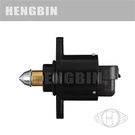

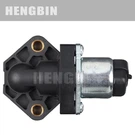

As a dedicated supplier of idle motors suitable for Changan vehicles, I understand the critical role these components play in the smooth operation of an engine. An idle motor, also known as an idle air control valve (IACV), is responsible for regulating the engine's idle speed by controlling the amount of air that bypasses the throttle plate. Ensuring that an idle motor is suitable for Changan models is essential for maintaining optimal engine performance, fuel efficiency, and overall vehicle reliability. In this blog post, I will share some key steps and considerations for testing an idle motor to determine its suitability for Changan vehicles.
Understanding the Requirements of Changan Idle Motors
Before diving into the testing process, it's important to have a clear understanding of the specific requirements of idle motors designed for Changan vehicles. Changan, a prominent Chinese automotive manufacturer, produces a wide range of vehicles with different engine specifications and idle control systems. Each model may have unique requirements in terms of idle speed, air flow rate, and electrical characteristics.
To ensure compatibility, it's crucial to refer to the vehicle's service manual or consult with Changan's official technical resources. These documents provide detailed information about the recommended idle motor specifications, including part numbers, electrical ratings, and installation procedures. By familiarizing yourself with these requirements, you can accurately select and test idle motors that are specifically designed for Changan vehicles.
Visual Inspection
The first step in testing an idle motor is to conduct a visual inspection. This involves carefully examining the motor for any signs of physical damage, such as cracks, corrosion, or loose connections. A damaged idle motor may not function properly or could even cause further damage to the engine.
Inspect the motor's housing for any visible cracks or signs of wear. Check the electrical connectors for corrosion or loose pins, as these can affect the motor's electrical performance. Additionally, examine the motor's mounting brackets and gaskets to ensure they are in good condition and properly installed.
If you notice any significant damage or signs of wear during the visual inspection, it's advisable to replace the idle motor with a new one. Using a damaged motor can lead to poor idle performance, increased fuel consumption, and potential engine problems.
Electrical Testing
Once you have completed the visual inspection, the next step is to perform electrical testing. This involves using a multimeter to measure the motor's electrical resistance and continuity. Electrical testing helps to determine if the motor is functioning properly and if it meets the specified electrical requirements.
To perform electrical testing, follow these steps:
- Disconnect the electrical connector: Before testing the idle motor, make sure to disconnect the electrical connector from the motor. This will prevent any electrical shock or damage to the testing equipment.
- Set the multimeter to the appropriate setting: Set the multimeter to the resistance (ohms) setting. This will allow you to measure the electrical resistance of the motor's windings.
- Measure the resistance: Place the multimeter's probes on the motor's electrical terminals. The resistance value should be within the range specified in the vehicle's service manual. If the resistance is significantly higher or lower than the recommended range, it may indicate a problem with the motor's windings.
- Check for continuity: In addition to measuring the resistance, you should also check for continuity between the motor's terminals. Continuity indicates that there is a complete electrical circuit within the motor. To check for continuity, set the multimeter to the continuity (beep) setting and place the probes on the motor's terminals. If the multimeter beeps, it indicates that there is continuity between the terminals.
If the electrical testing reveals any issues, such as a high resistance or lack of continuity, it's likely that the idle motor is defective and needs to be replaced. A faulty motor may not be able to control the air flow properly, resulting in poor idle performance and potential engine problems.
Functional Testing
After completing the electrical testing, the next step is to perform functional testing. This involves installing the idle motor in a test setup or on a Changan vehicle and observing its performance. Functional testing helps to determine if the motor is able to control the engine's idle speed effectively and if it meets the specified performance requirements.
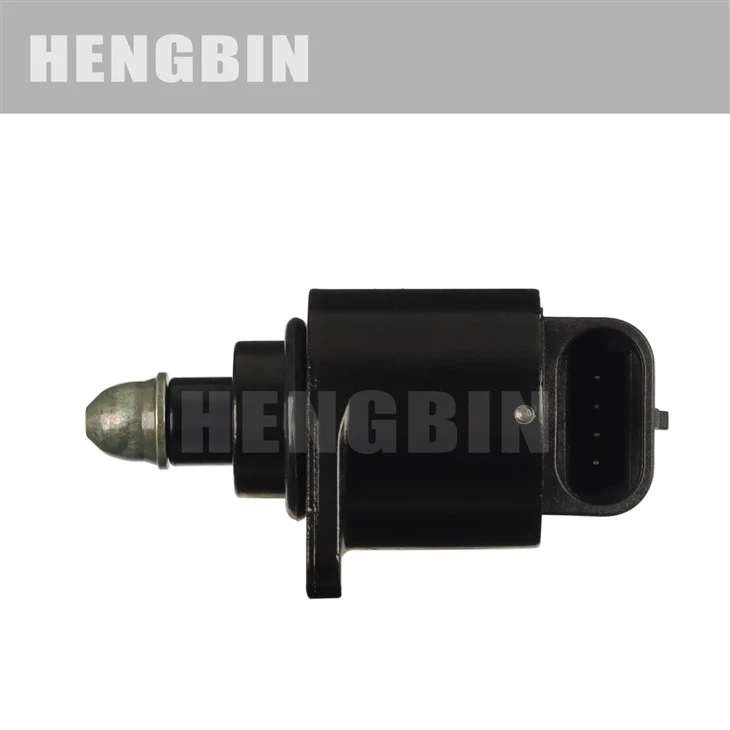

To perform functional testing, follow these steps:
- Install the idle motor: Install the idle motor in the test setup or on a Changan vehicle according to the manufacturer's instructions. Make sure to tighten the mounting bolts securely and connect the electrical connector properly.
- Start the engine: Start the engine and allow it to warm up to its normal operating temperature. This will ensure that the engine is running under normal conditions and that the idle control system is functioning properly.
- Observe the idle speed: Use a tachometer to measure the engine's idle speed. The idle speed should be within the range specified in the vehicle's service manual. If the idle speed is too high or too low, it may indicate a problem with the idle motor or the idle control system.
- Check for smooth operation: Listen to the engine while it is idling. The engine should run smoothly without any hesitation or rough idling. If you notice any unusual noises or vibrations, it may indicate a problem with the idle motor or other engine components.
- Test the idle control function: To test the idle control function, you can use a scan tool or diagnostic equipment to monitor the idle air control valve's position and air flow rate. The idle air control valve should be able to adjust the air flow rate to maintain a stable idle speed under different operating conditions.
If the functional testing reveals any issues, such as a unstable idle speed or rough idling, it's likely that the idle motor is not functioning properly and needs to be replaced. A faulty motor may not be able to control the air flow effectively, resulting in poor idle performance and potential engine problems.
Conclusion
Testing an idle motor to determine its suitability for Changan vehicles is a crucial step in ensuring optimal engine performance and reliability. By following the steps outlined in this blog post, you can accurately select and test idle motors that are specifically designed for Changan vehicles.
Remember to always refer to the vehicle's service manual or consult with Changan's official technical resources for detailed information about the recommended idle motor specifications and testing procedures. By using the right tools and techniques, you can identify and resolve any issues with the idle motor before they cause further damage to the engine.
If you are in the market for high-quality idle motors suitable for Changan vehicles, we are here to help. Our company offers a wide range of Idle Motor 3515022600 Is Suitable for Various Automotive Models Such As KIA, Idle Air Control Valve Stepper Motor 60292, and Idle Motor 958060 Is Suitable for Various Automotive Models Such As Fiat that are designed to meet the specific requirements of Changan vehicles. Our products are rigorously tested to ensure superior performance, reliability, and durability.
If you have any questions or would like to discuss your idle motor requirements, please feel free to contact us. We look forward to working with you and providing you with the best idle motor solutions for your Changan vehicles.
References
- Changan Vehicle Service Manuals
- Automotive Electrical and Electronic Systems Textbooks
- Industry Standards and Technical Publications