

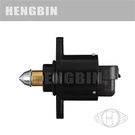
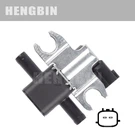

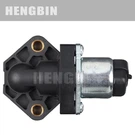

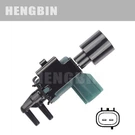
Hey there! As a supplier of idle motors suitable for Changan, I've seen my fair share of installation mishaps that can cause damage to these crucial components. In this blog, I'll share some tips on how to prevent damage to an idle motor during installation, so you can keep your Changan running smoothly.
Pre - installation Checks
Before you even start the installation process, it's essential to do a thorough inspection of the idle motor. First off, check the packaging. If it's been damaged during shipping, there's a chance the motor inside could be affected too. Look for any signs of dents, scratches, or broken seals on the box.
Once you've opened the package, take a good look at the idle motor itself. Inspect the electrical connectors. They should be clean, free of corrosion, and have no bent pins. A bent pin can prevent proper electrical connection, which can lead to all sorts of problems down the line. You can use a multimeter to check the resistance of the motor windings if you have the know - how. This will give you an idea if there are any internal short - circuits or open - circuits.
Another important pre - installation step is to check the mounting points. Make sure the holes on the motor match up with the mounting holes on the Changan's engine. If they don't, don't force it! Forcing the motor into place can cause damage to the mounting tabs on the motor or the engine block. You might need to double - check if you have the correct model of the idle motor. We offer a wide range of idle motors, like the Idle Motor 17111809 Is Suitable for Various Automotive Models Such As Porsche, so it's crucial to get the right one for your Changan.
Cleaning the Installation Area
The area where the idle motor will be installed needs to be clean. Dirt, debris, and old gasket material can prevent a proper seal and cause the motor to malfunction. Start by removing any loose dirt or debris from the engine compartment around the installation area. You can use a soft brush or compressed air to blow out the dirt.
Next, clean the mounting surface on the engine block. Use a suitable cleaning solvent and a clean rag to remove any oil, grease, or old gasket material. Make sure the surface is completely dry before proceeding. A dirty mounting surface can cause the idle motor to vibrate more than normal, which can lead to premature wear and damage.
Handling the Idle Motor
When handling the idle motor, be gentle. These motors are precision - made components, and rough handling can cause internal damage. Avoid dropping the motor or hitting it against hard surfaces. Hold the motor by the housing, not the electrical connectors or the delicate moving parts.
If you need to remove the old idle motor, use the appropriate tools. Don't try to pry it off with a screwdriver or other sharp objects, as this can scratch the mounting surface on the engine and damage the motor. Instead, use a socket wrench or a similar tool to remove the mounting bolts.


Installation Process
Now, let's talk about the actual installation. First, apply a thin layer of gasket sealant to the new gasket (if one is provided). Make sure the gasket is properly aligned with the mounting holes on the motor and the engine block. Place the idle motor on the mounting surface and insert the mounting bolts. Don't tighten them all the way just yet.
Start by hand - tightening the bolts to ensure the motor is properly seated. Then, use a torque wrench to tighten the bolts to the manufacturer's recommended torque specification. Over - tightening the bolts can crack the motor housing or damage the engine block, while under - tightening can cause the motor to vibrate loose.
Once the motor is securely mounted, connect the electrical connectors. Make sure they are pushed on firmly until you hear a click. This ensures a good electrical connection. You can also use a dielectric grease on the connectors to prevent corrosion.
Testing the Installed Idle Motor
After the installation is complete, it's time to test the idle motor. Start the engine and let it idle. Listen for any unusual noises coming from the motor. A rattling or grinding noise could indicate a problem with the installation, such as a loose bolt or a misaligned motor.
Check the engine's idle speed. It should be within the normal range for your Changan model. If the idle speed is too high or too low, there could be an issue with the motor or the electrical connection. You might need to adjust the idle speed using the vehicle's diagnostic system or by following the manufacturer's instructions.
Maintenance after Installation
Even after a successful installation, regular maintenance is key to preventing damage to the idle motor. Keep the engine compartment clean to prevent dirt and debris from getting into the motor. Check the electrical connectors periodically for signs of corrosion or loose connections.
If you notice any changes in the engine's performance, such as a rough idle or stalling, it could be a sign of a problem with the idle motor. Don't ignore these symptoms. Have the motor checked as soon as possible to prevent further damage.
Conclusion
Preventing damage to an idle motor during installation is all about being careful and following the right procedures. By doing pre - installation checks, cleaning the installation area, handling the motor gently, and testing it after installation, you can ensure that your Changan's idle motor works properly for a long time.
If you're in the market for a high - quality idle motor suitable for your Changan, we've got you covered. We also offer other great products like the Idle Air Control Valve AEP125 - 4 Vehicle Universal and the Idle Motor 93742607 Is Suitable for Various Automotive Models Such As Chery. If you have any questions or are interested in purchasing our products, feel free to reach out for a procurement discussion.
References
- Automotive Engine Repair Manuals
- Manufacturer's Specifications for Changan Idle Motors