



Hey there, fellow car enthusiasts! As a supplier of EGR vacuum solenoid valves for Fumeilai, I'm here to walk you through the process of correctly installing these valves. Whether you're a DIY mechanic or just looking to learn more about your vehicle, this guide will help you get the job done right.
What is an EGR Vacuum Solenoid Valve?
First things first, let's talk about what an EGR vacuum solenoid valve does. The Exhaust Gas Recirculation (EGR) system is an important part of your car's emissions control system. It works by recirculating a small amount of exhaust gas back into the engine's intake manifold. This helps reduce the formation of nitrogen oxides (NOx), which are harmful pollutants.
The EGR vacuum solenoid valve is responsible for controlling the flow of vacuum to the EGR valve. When the engine is running under certain conditions, the solenoid valve opens, allowing vacuum to actuate the EGR valve and let exhaust gas into the intake manifold. When the conditions change, the solenoid valve closes, stopping the flow of exhaust gas.
Why Install a New EGR Vacuum Solenoid Valve?
Over time, the EGR vacuum solenoid valve can wear out or become clogged with carbon deposits. This can lead to a variety of problems, such as poor engine performance, increased emissions, and even engine misfires. If you notice any of these symptoms, it's a good idea to check your EGR vacuum solenoid valve and replace it if necessary.


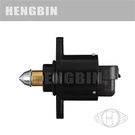
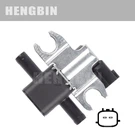
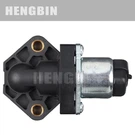
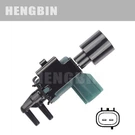
We offer a wide range of EGR vacuum solenoid valves suitable for various automotive models. For example, we have the EGR Vacuum Solenoid Valve 2283686 Suitable for Various Automotive Models Such As Honda, the EGR Vacuum Solenoid Valve 90910-12259,136200-2771 Suitable for Various Car Models Such As Toyota, and the EGR Vacuum Solenoid Valve 90910-12262 Suitable for Various Automotive Models Such As Toyota. These valves are made from high-quality materials and are designed to meet or exceed OEM specifications.
Tools You'll Need
Before you start the installation process, make sure you have the following tools on hand:
- Socket set
- Wrench set
- Pliers
- Screwdriver
- Vacuum gauge (optional, but helpful for testing)
Step-by-Step Installation Guide
Now, let's get into the installation process. Here's a step-by-step guide on how to install an EGR vacuum solenoid valve for Fumeilai:
Step 1: Locate the EGR Vacuum Solenoid Valve
The EGR vacuum solenoid valve is usually located near the engine's intake manifold or firewall. It's a small, rectangular-shaped component with electrical connectors and vacuum hoses attached to it. Refer to your vehicle's service manual for the exact location.
Step 2: Disconnect the Battery
Before you start working on any electrical components, it's important to disconnect the negative terminal of the battery. This will prevent any electrical shorts or damage to your car's electrical system.
Step 3: Remove the Old EGR Vacuum Solenoid Valve
Once the battery is disconnected, use your socket set or wrench to remove the bolts or screws holding the EGR vacuum solenoid valve in place. Then, carefully disconnect the electrical connectors and vacuum hoses from the valve. Be sure to note the position of each hose and connector so you can reinstall them correctly later.
Step 4: Inspect the Vacuum Hoses
While you have the old valve removed, take a look at the vacuum hoses. Check for any signs of damage, such as cracks, leaks, or kinks. If you notice any problems, replace the hoses with new ones.
Step 5: Install the New EGR Vacuum Solenoid Valve
Take your new EGR vacuum solenoid valve and connect the electrical connectors and vacuum hoses to it. Make sure the connectors are firmly seated and the hoses are properly attached. Then, use your socket set or wrench to install the new valve in the same position as the old one. Tighten the bolts or screws securely.
Step 6: Reconnect the Battery
Once the new valve is installed, reconnect the negative terminal of the battery.
Step 7: Test the EGR System
After the installation is complete, it's a good idea to test the EGR system to make sure it's working properly. You can do this by using a vacuum gauge to check the vacuum at the EGR valve. Start the engine and let it idle. Then, use the gauge to measure the vacuum at the EGR valve. If the vacuum reading is within the specifications listed in your vehicle's service manual, the EGR system is working correctly.
Tips and Tricks
- Always follow the manufacturer's instructions when installing a new EGR vacuum solenoid valve.
- If you're not comfortable working on your car's emissions control system, it's best to have a professional mechanic do the installation for you.
- Make sure to use the correct type of EGR vacuum solenoid valve for your vehicle. Using the wrong valve can cause problems and may even damage your engine.
Contact Us for Purchasing
If you're in the market for a new EGR vacuum solenoid valve, we're here to help. We offer high-quality valves at competitive prices, and our team of experts is always available to answer your questions. Whether you need a valve for a Honda, Toyota, or any other make and model, we've got you covered.
Don't hesitate to reach out to us if you have any questions or if you're ready to place an order. We look forward to doing business with you!
References
- Automotive Repair Manuals
- Manufacturer's Technical Bulletins
So there you have it, folks! That's how you correctly install an EGR vacuum solenoid valve for Fumeilai. I hope this guide has been helpful. If you have any other questions or need more information, feel free to leave a comment below. Happy wrenching!