

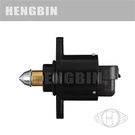
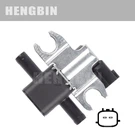

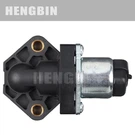

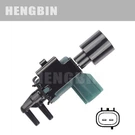
Diagnosing a problem with a carbon canister shut-off valve is a crucial skill for both automotive enthusiasts and professional mechanics. As a reputable supplier of carbon canister shut-off valves, I understand the importance of accurate diagnosis to ensure the optimal performance of vehicles. In this blog post, I will guide you through the process of diagnosing issues with these valves, providing you with valuable insights and practical tips.
Understanding the Carbon Canister Shut-off Valve
Before delving into the diagnostic process, it's essential to understand the function of the carbon canister shut-off valve. This valve plays a vital role in the vehicle's evaporative emission control system (EVAP). Its primary function is to regulate the flow of fuel vapors from the carbon canister to the engine intake manifold. By doing so, it helps to prevent the release of harmful fuel vapors into the atmosphere, reducing air pollution and ensuring compliance with environmental regulations.
The carbon canister, which is filled with activated charcoal, stores fuel vapors that are generated in the fuel tank. When the engine is running, the shut-off valve opens, allowing the stored vapors to be drawn into the engine and burned along with the air-fuel mixture. This process not only reduces emissions but also improves fuel efficiency.
Common Symptoms of a Faulty Carbon Canister Shut-off Valve
Identifying the symptoms of a faulty carbon canister shut-off valve is the first step in the diagnostic process. Here are some common signs that indicate a problem with the valve:
Check Engine Light
One of the most obvious signs of a malfunctioning carbon canister shut-off valve is the illumination of the check engine light on the vehicle's dashboard. The vehicle's onboard diagnostic system (OBD-II) monitors the operation of the EVAP system, including the shut-off valve. If it detects an issue, such as a leak or improper valve operation, it will trigger the check engine light and store a diagnostic trouble code (DTC) in the system.
Poor Fuel Economy
A faulty shut-off valve can lead to a decrease in fuel efficiency. If the valve is stuck open, fuel vapors may continuously flow into the engine, causing the air-fuel mixture to become too rich. This can result in increased fuel consumption and reduced mileage.
Rough Idling or Stalling
In some cases, a malfunctioning shut-off valve can cause the engine to idle roughly or even stall. If the valve fails to open properly, the engine may not receive the necessary amount of fuel vapors, leading to an imbalance in the air-fuel mixture. This can cause the engine to run poorly and may even cause it to stall.
Strong Fuel Odor
A noticeable fuel odor around the vehicle can also be a sign of a problem with the carbon canister shut-off valve. If the valve is leaking or not closing properly, fuel vapors may escape into the atmosphere, creating a strong smell of gasoline.
Diagnostic Steps
Once you have identified the symptoms of a potential problem with the carbon canister shut-off valve, it's time to perform a diagnostic check. Here are the steps you can follow:
Step 1: Retrieve Diagnostic Trouble Codes (DTCs)
The first step in diagnosing a problem with the shut-off valve is to retrieve the DTCs stored in the vehicle's OBD-II system. You can use an OBD-II scanner to read the codes. Common DTCs related to the carbon canister shut-off valve include P0441 (Evaporative Emission Control System Incorrect Purge Flow) and P0443 (Evaporative Emission Control System Purge Control Valve Circuit Malfunction). These codes can provide valuable information about the nature of the problem and help you narrow down the possible causes.
Step 2: Visual Inspection
After retrieving the DTCs, perform a visual inspection of the carbon canister shut-off valve and its associated components. Check for any signs of damage, such as cracks, leaks, or loose connections. Inspect the valve itself for proper mounting and alignment. Also, check the vacuum hoses connected to the valve for any signs of wear or damage. A damaged or disconnected hose can cause the valve to malfunction.
Step 3: Test the Valve's Electrical Circuit
The carbon canister shut-off valve is typically controlled by an electrical signal from the vehicle's engine control module (ECM). To test the valve's electrical circuit, you will need a multimeter. First, disconnect the electrical connector from the valve. Set the multimeter to the resistance (ohms) setting and measure the resistance across the valve's terminals. Refer to the vehicle's service manual for the specific resistance value range for the valve. If the resistance is outside the specified range, the valve may be faulty and should be replaced.
Next, check for power and ground at the electrical connector. Connect the multimeter to the appropriate terminals and turn the ignition key to the "ON" position. The multimeter should indicate the presence of battery voltage. If there is no voltage, check the fuse and wiring for the valve circuit.
Step 4: Check the Valve's Operation
To check the operation of the carbon canister shut-off valve, you can use a vacuum pump. First, disconnect the vacuum hose from the valve. Connect the vacuum pump to the hose and apply vacuum to the valve. The valve should open and allow air to flow through it. If the valve does not open or if there is a leak, it may be faulty.
You can also use a smoke machine to check for leaks in the EVAP system. A smoke machine injects a non-toxic smoke into the system, allowing you to visually detect any leaks. If you notice smoke escaping from the area around the carbon canister shut-off valve, it indicates a leak in the valve or its associated components.
Step 5: Replace the Valve if Necessary
If you have determined that the carbon canister shut-off valve is faulty, it is recommended to replace it with a new one. As a supplier of high-quality carbon canister shut-off valves, we offer a wide range of products suitable for various car models. For example, you can check out our Carbon Canister Shut-off Valve1130010-BN02and0522A-2-0432 Suitable for Various Car Models Such As Yidong, Carbon Canister Shut-off ValveCPV126and13575701and Other Models Suitable for Various Car Models Such As Changan, and Carbon Canister Shut-off ValveCK1101024L3and1130010-BN01 Suitable for Various Vehicle Models Such As Dongfeng.
When replacing the valve, make sure to follow the manufacturer's instructions and use the appropriate tools. It is also a good idea to replace any damaged or worn vacuum hoses and gaskets at the same time to ensure a proper seal.


Conclusion
Diagnosing a problem with a carbon canister shut-off valve requires a systematic approach and the use of the right tools. By following the steps outlined in this blog post, you can accurately identify the cause of the problem and take the necessary steps to resolve it. If you are unsure about any aspect of the diagnostic process or if you need further assistance, don't hesitate to contact us. We are a leading supplier of carbon canister shut-off valves and have a team of experts who can provide you with professional advice and support. Whether you are a mechanic looking for high-quality replacement parts or a car owner in need of assistance, we are here to help. Contact us today to discuss your requirements and explore our wide range of products.
References
- Haynes Repair Manuals
- Chilton Automotive Repair Manuals
- Vehicle Manufacturer's Service Manuals