



Hey there, fellow car enthusiasts! As a supplier of EGR vacuum solenoid valves for Subaru, I often get asked about how often these valves should be replaced. So, I thought I'd put together this blog post to share some insights and help you keep your Subaru running smoothly.
First off, let's quickly go over what an EGR vacuum solenoid valve does. The Exhaust Gas Recirculation (EGR) system is an important part of your car's emissions control. It recirculates a small amount of exhaust gas back into the engine's intake manifold. This helps reduce the formation of nitrogen oxides (NOx), which are harmful pollutants. The EGR vacuum solenoid valve controls the flow of vacuum to the EGR valve, allowing it to open and close at the right times.
Now, when it comes to how often you should replace the EGR vacuum solenoid valve in a Subaru, there's no one - size - fits - all answer. It depends on a few different factors.
Driving Conditions
Your driving habits and the conditions in which you drive play a big role. If you mostly drive in stop - and - go city traffic, your EGR system is going to work harder. In stop - and - go situations, the engine is constantly starting and stopping, and the EGR valve has to open and close more frequently. This can put extra stress on the EGR vacuum solenoid valve. Over time, the constant on - off cycling can cause wear and tear on the valve's internal components, like the solenoid coil and the diaphragm.
On the other hand, if you do a lot of highway driving, the EGR system doesn't have to work as hard. The engine is running at a more consistent speed, and the EGR valve doesn't open and close as often. So, in this case, the EGR vacuum solenoid valve may last longer.
Age and Mileage
Age and mileage are also important factors. As your Subaru gets older, the EGR vacuum solenoid valve can start to degrade. Rubber components may dry out and crack, and the electrical connections can corrode. In general, if your Subaru has over 100,000 miles on it, it's a good idea to start keeping an eye on the EGR vacuum solenoid valve. Some manufacturers recommend inspecting the EGR system around the 80,000 - 100,000 - mile mark.
However, just because your car has a certain number of miles doesn't mean the valve is definitely bad. You might have a well - maintained Subaru that has been driven gently, and the valve could still be in good shape. Conversely, a car with lower mileage but driven in harsh conditions could have a failing EGR vacuum solenoid valve.
Signs of a Failing EGR Vacuum Solenoid Valve
It's important to know the signs that your EGR vacuum solenoid valve might be failing. One of the most common symptoms is a check engine light. The car's onboard diagnostic system can detect problems with the EGR system, and if it senses an issue with the vacuum solenoid valve, it will trigger the check engine light.
You might also notice a decrease in engine performance. A faulty EGR vacuum solenoid valve can cause the engine to run rough, misfire, or lose power. This is because if the valve isn't working properly, the EGR valve may not open or close at the right times, which can disrupt the air - fuel mixture in the engine.
Another sign is increased emissions. Since the EGR system is designed to reduce NOx emissions, a failing EGR vacuum solenoid valve can cause the car to produce more pollutants. If you take your Subaru for an emissions test and it fails, the EGR system could be the culprit.
Our Products
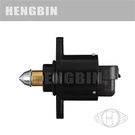
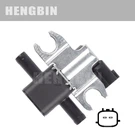
As a supplier, we offer high - quality EGR vacuum solenoid valves for Subaru. For example, our EGR Vacuum Solenoid Valve K5T48479 Suitable for Various Automotive Models Such As Subaru is designed to meet or exceed OEM specifications. It's made with durable materials that can withstand the rigors of daily driving.
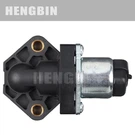
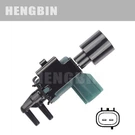
We also have other EGR vacuum solenoid valves that are suitable for different makes and models. Check out our EGR Vacuum Solenoid Valve 911 - 909 Suitable for Various Automotive Models Such As Focus and EGR Vacuum Solenoid Valve K5T45873 Is Suitable for Various Automotive Models Such As Infiniti. These valves are engineered to provide reliable performance and help keep your car's emissions in check.
Replacement Interval Recommendations
Based on our experience and feedback from customers, a general guideline for replacing the EGR vacuum solenoid valve in a Subaru is between 80,000 and 120,000 miles. But again, this is just a rough estimate. If you notice any of the symptoms we mentioned earlier, it's a good idea to have the valve checked out by a professional mechanic. They can run some tests to determine if the valve needs to be replaced.
Maintenance Tips
To extend the life of your EGR vacuum solenoid valve, there are a few things you can do. First, keep up with your regular maintenance schedule. This includes changing the engine oil and air filter on time. A clean air filter helps ensure that the engine is getting clean air, which can reduce the amount of dirt and debris that can enter the EGR system.
You should also use high - quality fuel. Low - quality fuel can leave behind more deposits in the engine, which can affect the performance of the EGR system.
If you're not sure about the condition of your EGR vacuum solenoid valve, you can have it inspected during your regular tune - ups. A mechanic can use a diagnostic tool to check the valve's operation and see if there are any signs of wear or malfunction.


Conclusion
In conclusion, there's no fixed interval for replacing the EGR vacuum solenoid valve in a Subaru. It depends on your driving conditions, the age and mileage of your car, and how well you maintain it. By being aware of the signs of a failing valve and following our maintenance tips, you can keep your Subaru's EGR system in good shape.
If you're in the market for a new EGR vacuum solenoid valve for your Subaru or other makes, we're here to help. We offer top - quality products at competitive prices. If you have any questions or want to discuss your specific needs, don't hesitate to reach out to us. We're always happy to talk about EGR vacuum solenoid valves and how they can keep your car running smoothly.
References
- "Automotive Emission Control Systems" - A technical guide on automotive emissions and related components.
- Subaru's official maintenance manual for various models.