

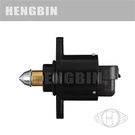
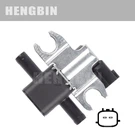

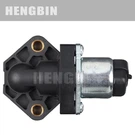

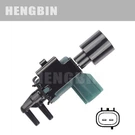
Hey there, fellow car enthusiasts! As a supplier of EGR vacuum solenoid valves for Subaru, I've had my fair share of experiences and knowledge about how these nifty little components work, especially in Subaru turbocharged engines. So, let's dive right in and explore the ins and outs of the EGR vacuum solenoid valve in a Subaru turbo engine.
First off, let's talk about what an EGR vacuum solenoid valve is. EGR stands for Exhaust Gas Recirculation. The main job of the EGR system is to reduce the amount of nitrogen oxides (NOx) emitted from the engine. NOx is a pollutant that can cause a whole bunch of environmental and health issues. The EGR system does this by recirculating a small amount of exhaust gas back into the engine's intake manifold. And that's where the EGR vacuum solenoid valve comes in.
In a Subaru turbocharged engine, the EGR vacuum solenoid valve acts as a control gatekeeper. It's basically an electrically - operated valve that controls the flow of vacuum to the EGR valve. The vacuum is what allows the EGR valve to open and close. When the engine is running under certain conditions, like at a steady speed or under light load, the engine control unit (ECU) sends a signal to the EGR vacuum solenoid valve.
Once the ECU sends that signal, the EGR vacuum solenoid valve opens up. When it opens, it allows vacuum from the intake manifold to reach the EGR valve. This vacuum then pulls the EGR valve open, and a portion of the exhaust gas is redirected back into the intake manifold. The exhaust gas is inert, which means it doesn't burn in the combustion chamber. When it mixes with the fresh air - fuel mixture, it lowers the peak combustion temperature. Since NOx is formed at high temperatures, reducing the combustion temperature helps to cut down on NOx emissions.
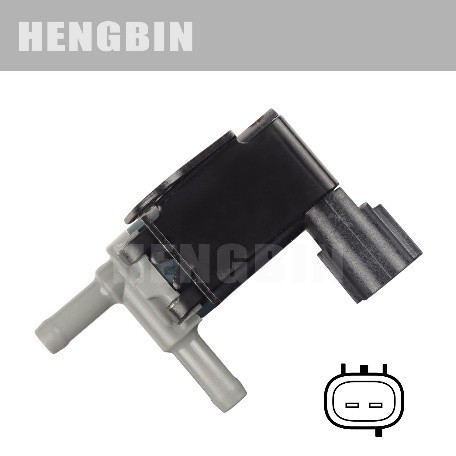

Now, let's get into the details of how this all happens in a Subaru turbo engine. Subaru turbo engines are known for their high - performance capabilities. The turbocharger compresses the incoming air, which increases the engine's power output. But with that increased power comes a higher risk of NOx emissions. That's why the EGR system, and specifically the EGR vacuum solenoid valve, is so important.
The ECU in a Subaru turbo engine is constantly monitoring a whole bunch of sensors. These sensors include things like the throttle position sensor, engine coolant temperature sensor, and mass air flow sensor. Based on the data it gets from these sensors, the ECU decides when it's the right time to activate the EGR system. For example, if the engine is cold, the ECU won't activate the EGR system because the engine needs to warm up to its optimal operating temperature first.
When the engine is at the right operating conditions, the ECU sends an electrical signal to the EGR vacuum solenoid valve. This signal is a pulse - width modulated (PWM) signal. The PWM signal varies in width, which controls how long the EGR vacuum solenoid valve stays open. By adjusting the width of the PWM signal, the ECU can precisely control the amount of vacuum that reaches the EGR valve. This, in turn, controls how much exhaust gas is recirculated back into the intake manifold.
Let's talk about some of the factors that can affect the performance of the EGR vacuum solenoid valve in a Subaru turbo engine. One big factor is carbon buildup. Over time, carbon deposits can form inside the EGR vacuum solenoid valve and the EGR valve itself. These deposits can clog the valve, preventing it from opening and closing properly. When that happens, the EGR system won't work as it should, and you might notice a decrease in engine performance, like reduced power or rough idling.
Another factor is electrical issues. The EGR vacuum solenoid valve relies on an electrical signal from the ECU. If there's a problem with the wiring, connectors, or the ECU itself, the valve might not receive the correct signal. This can lead to the valve staying open or closed when it shouldn't be, which can mess up the whole EGR system.
As a supplier of EGR vacuum solenoid valves for Subaru, I've seen a wide range of models that require these valves. And we also have a variety of EGR vacuum solenoid valves suitable for other makes as well. For instance, we have the EGR Vacuum Solenoid Valve 14930 - AX000 Suitable for Various Models Such As Nissan. This valve is designed to work efficiently in Nissan vehicles, providing the same kind of precise control over the EGR system.
We also offer the EGR Vacuum Solenoid Valve 25860 - 30070 Suitable for Various Automotive Models Such As Lexus. Lexus owners can trust this valve to help keep their EGR systems in top - notch condition. And then there's the EGR Vacuum Solenoid Valves25860 - 46010Suitable for Various Car Models Such As Toyota, which is a great option for Toyota car owners.
Back to Subaru turbo engines, proper maintenance of the EGR vacuum solenoid valve is crucial. Regularly checking for carbon deposits and cleaning the valve can extend its lifespan. And if you notice any signs of a malfunction, like a check engine light on your dashboard or a decrease in engine performance, it's a good idea to have the EGR vacuum solenoid valve inspected.
If you're in the market for a high - quality EGR vacuum solenoid valve for your Subaru turbo engine or other makes, we're here to help. We've got a team of experts who can assist you in finding the right valve for your vehicle. Whether you're a professional mechanic or a DIY car enthusiast, we can provide you with the best products and advice.
If you're interested in purchasing our EGR vacuum solenoid valves or have any questions about how they work, feel free to reach out. We're always ready to have a chat and help you make the right choice for your vehicle.
References
- Automotive Technology: A Systems Approach, 6th Edition, by James D. Halderman
- Haynes Repair Manuals for Subaru Turbocharged Engines