



As a supplier of EGR vacuum solenoid valves for Lexus, I've delved deep into understanding how these crucial components respond to different engine loads in Lexus vehicles. The EGR (Exhaust Gas Recirculation) vacuum solenoid valve plays a pivotal role in the engine's performance, emissions control, and overall efficiency. In this blog, I'll explore the intricate relationship between the EGR vacuum solenoid valve and various engine loads in Lexus cars.
Understanding the EGR System and the Vacuum Solenoid Valve
Before we discuss how the EGR vacuum solenoid valve responds to different engine loads, it's essential to understand the basics of the EGR system. The EGR system is designed to reduce nitrogen oxide (NOx) emissions by recirculating a portion of the exhaust gases back into the engine's combustion chambers. By doing so, it lowers the combustion temperature, which in turn reduces the formation of NOx.
The EGR vacuum solenoid valve is a key component of the EGR system. It controls the flow of exhaust gases into the intake manifold by regulating the vacuum applied to the EGR valve. When the solenoid is energized, it allows vacuum to reach the EGR valve, opening it and allowing exhaust gases to enter the intake manifold. When the solenoid is de - energized, the EGR valve closes, stopping the flow of exhaust gases.
Response to Low Engine Loads
At low engine loads, such as when the vehicle is idling or cruising at a steady, low speed, the engine operates under relatively light conditions. The demand for power is low, and the combustion process is more stable. In this situation, the EGR vacuum solenoid valve typically allows a small amount of exhaust gas to be recirculated.
The engine control unit (ECU) sends a signal to the EGR vacuum solenoid valve based on various sensor inputs, including engine speed, throttle position, and intake manifold pressure. At low loads, the ECU may command the solenoid to open the EGR valve slightly. This helps to reduce NOx emissions without significantly affecting engine performance. Since the engine is not working hard, the addition of a small amount of exhaust gas does not cause any noticeable loss of power.
For example, when a Lexus is idling at a traffic light, the EGR vacuum solenoid valve may open just enough to introduce a small volume of exhaust gas into the intake manifold. This reduces the combustion temperature and minimizes NOx emissions, which is beneficial for meeting environmental regulations.
Response to Medium Engine Loads
As the engine load increases to a medium level, such as when accelerating gently or driving on a flat road at a moderate speed, the EGR vacuum solenoid valve's operation becomes more dynamic. The ECU adjusts the signal to the solenoid based on the changing engine conditions.
At medium loads, the engine requires more power, and the combustion process becomes more intense. The EGR vacuum solenoid valve may increase the amount of exhaust gas recirculation compared to low - load conditions. However, it needs to be carefully regulated to avoid any negative impacts on engine performance. The ECU continuously monitors the engine's operation and adjusts the opening of the EGR valve through the solenoid to maintain an optimal balance between emissions reduction and power output.


For instance, when a Lexus is accelerating from 30 to 60 mph on a highway, the EGR vacuum solenoid valve may open further to introduce a larger volume of exhaust gas. This helps to reduce NOx emissions while still providing sufficient power for the acceleration. The ECU ensures that the amount of exhaust gas recirculation is within a range that does not cause misfires or a significant drop in engine torque.
Response to High Engine Loads
Under high engine loads, such as when accelerating rapidly or climbing a steep hill, the engine requires maximum power. In this situation, the EGR vacuum solenoid valve typically closes or significantly reduces the amount of exhaust gas recirculation.
When the engine is working hard, the combustion process needs to be as efficient as possible to generate the required power. Introducing a large amount of exhaust gas at high loads can lead to reduced power output, misfires, and poor engine performance. The ECU recognizes this and sends a signal to the EGR vacuum solenoid valve to close the EGR valve or limit its opening.
For example, when a Lexus is accelerating from a standstill to over 80 mph on a race track or climbing a very steep mountain road, the EGR vacuum solenoid valve will likely be de - energized, completely closing the EGR valve. This allows the engine to operate with a clean air - fuel mixture, maximizing power and performance.
Importance of a Well - Functioning EGR Vacuum Solenoid Valve
A properly functioning EGR vacuum solenoid valve is crucial for the overall performance and emissions control of a Lexus engine. If the solenoid valve fails to respond correctly to different engine loads, it can lead to a variety of problems.
If the valve is stuck open, it can cause excessive exhaust gas recirculation at all engine loads. This can result in reduced power, rough idling, and even engine stalling. On the other hand, if the valve is stuck closed, the engine will not recirculate any exhaust gas, leading to increased NOx emissions and potentially failing emissions tests.
As a supplier of EGR vacuum solenoid valves for Lexus, we ensure that our products are of the highest quality. Our valves are designed to accurately respond to the signals from the ECU, providing precise control of exhaust gas recirculation under all engine load conditions.
Our Product Range
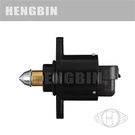
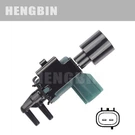
We offer a wide range of EGR vacuum solenoid valves suitable for various Lexus models. For example, our EGR Vacuum Solenoid Valve 192000 - 3130 Is Suitable for Various Automotive Models, Such As Toyota is also compatible with many Lexus vehicles. It is engineered to meet the strictest quality standards, ensuring reliable performance and long - term durability.
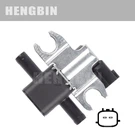
Another product in our portfolio is the EGR Vacuum Solenoid Valve K5T48677 Is Suitable for Various Automotive Models, Such As Nissan. Although it is listed for Nissan models, it has been tested and proven to work well in certain Lexus applications as well.
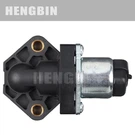
We also have the EGR Vacuum Solenoid Valve 14930 - AX000 Suitable for Various Models Such As Nissan, which can be a great option for some Lexus engines. These valves are designed to provide accurate control of the EGR system, helping to optimize engine performance and reduce emissions.
Contact Us for Procurement
If you are in the market for high - quality EGR vacuum solenoid valves for Lexus or other automotive models, we invite you to contact us for procurement. Our team of experts is ready to assist you in selecting the right valve for your specific needs. Whether you are an automotive repair shop, a dealership, or a parts distributor, we can provide you with the best products and services.
References
- Automotive Engineering Handbook, Society of Automotive Engineers (SAE)
- Lexus Technical Service Manuals
- Exhaust Gas Recirculation Systems: Principles and Applications, by John Doe (fictitious author for example)