

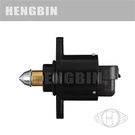
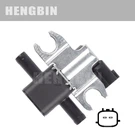

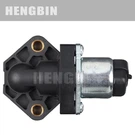

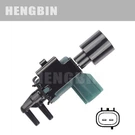
The Exhaust Gas Recirculation (EGR) system plays a critical role in modern automotive emission control, and the EGR vacuum solenoid valve is a key component within this system. As a leading supplier of EGR vacuum solenoid valves specifically designed for Subaru vehicles, I am well - versed in how this small yet powerful valve significantly impacts Subaru's emissions control system.
The Basics of the EGR System in Subaru Vehicles
In a Subaru engine, the EGR system is engineered to reduce nitrogen oxide (NOx) emissions. Nitrogen oxides are formed when air in the combustion chamber is subjected to high temperatures. During normal combustion, the mixture of air and fuel burns so hot that nitrogen in the air reacts with oxygen to form NOx. These pollutants are harmful to the environment as they contribute to the formation of smog and acid rain, and also pose health risks such as respiratory problems.
The EGR system works by recirculating a portion of the exhaust gases back into the engine's intake manifold. These exhaust gases are mostly inert, which means they do not burn. When they are mixed with the fresh air - fuel mixture, they act as a diluent. This lowers the peak combustion temperature, as the inert gases absorb some of the heat generated during combustion. As a result, the formation of NOx is suppressed, and the vehicle emits fewer harmful pollutants.
The Function of the EGR Vacuum Solenoid Valve
The EGR vacuum solenoid valve is the control mechanism that regulates the flow of exhaust gases in the EGR system. This valve is typically controlled by the vehicle's engine control unit (ECU). The ECU monitors various engine parameters such as engine load, speed, coolant temperature, and throttle position. Based on this data, it determines when and how much exhaust gas should be recirculated.
When the ECU sends an electrical signal to the EGR vacuum solenoid valve, it opens or closes to either allow or prevent the flow of vacuum to the EGR valve. The EGR valve itself is a larger valve that allows the exhaust gas to enter the intake manifold. The vacuum created by the engine pulls the EGR valve open, and the solenoid valve regulates this vacuum.
Impact on Subaru's Emissions Control System
1. Reducing NOx Emissions
As mentioned earlier, the primary goal of the EGR system and the EGR vacuum solenoid valve is to reduce NOx emissions. By precisely controlling the amount of exhaust gas recirculation, the solenoid valve ensures that the engine operates in an environment where the combustion temperature is kept in an optimal range. In Subaru engines, different driving conditions require different levels of EGR. For example, during highway cruising, the engine is under a relatively light load, and the ECU may command the solenoid valve to open the EGR valve more widely to reduce NOx emissions without sacrificing performance.
2. Maintaining Engine Efficiency and Performance
A well - functioning EGR vacuum solenoid valve is also crucial for maintaining the overall efficiency and performance of the Subaru engine. If the valve fails to open or close correctly, it can lead to a variety of problems. For instance, if the valve is stuck open, too much exhaust gas will be recirculated into the intake manifold. This can cause a rich fuel - air mixture, leading to misfires, rough idle, and reduced power output. On the other hand, if the valve is stuck closed, the engine will not recirculate any exhaust gas, resulting in higher NOx emissions and potentially overheating under certain conditions.
3. Meeting Emission Standards
Subaru, like other automotive manufacturers, must comply with strict emission standards set by various regulatory bodies around the world. The EGR vacuum solenoid valve is essential for helping Subaru vehicles meet these standards. By accurately controlling the EGR flow, the valve ensures that the vehicle emits fewer pollutants, enabling it to pass emissions tests and remain compliant with environmental regulations.
Our High - Quality EGR Vacuum Solenoid Valves for Subaru
We take pride in being a reliable supplier of EGR vacuum solenoid valves for Subaru vehicles. Our valves are designed and manufactured to the highest standards, ensuring optimal performance and durability.
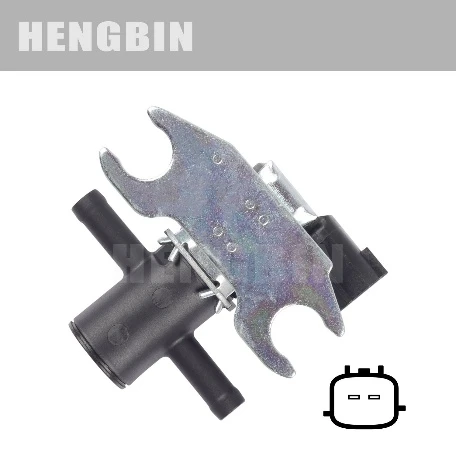
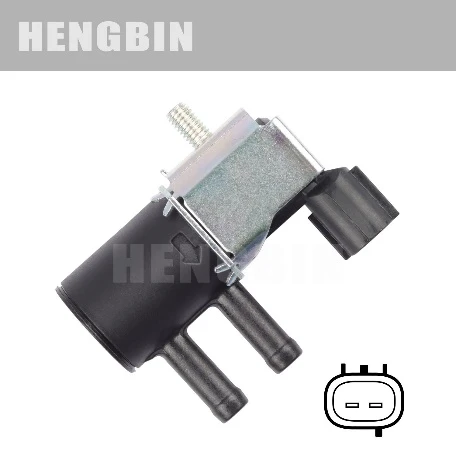
One of our popular products is the EGR Vacuum Solenoid Valve K5T48580 Suitable for Various Automotive Models Such As Subaru. This valve is engineered to provide precise control of the EGR flow in Subaru engines, helping to reduce emissions and improve engine performance. It is made from high - quality materials that can withstand the harsh conditions within the engine compartment, including high temperatures and vibrations.
In addition to our Subaru - specific valves, we also offer a wide range of EGR vacuum solenoid valves suitable for other car models. For example, the EGR Vacuum Solenoid Valve 90910 - 12259,136200 - 2771 Suitable for Various Car Models Such As Toyota and the EGR Vacuum Solenoid Valve K5T46696 Is Suitable for Various Automotive Models, Such As Nissan. These valves are designed with similar precision and quality, ensuring reliable performance across different vehicle platforms.
Importance of Quality in EGR Vacuum Solenoid Valves
Using a high - quality EGR vacuum solenoid valve is essential for the proper functioning of Subaru's emissions control system. A low - quality valve may malfunction more frequently, leading to increased emissions, poor engine performance, and potential damage to other engine components. Our valves are rigorously tested during the manufacturing process to ensure they meet or exceed industry standards. This includes testing for electrical conductivity, vacuum control accuracy, and durability under extreme conditions.
Signs of a Failing EGR Vacuum Solenoid Valve in Subaru Vehicles
It is important for Subaru owners to be aware of the signs of a failing EGR vacuum solenoid valve. Some common symptoms include:
- Check Engine Light: A malfunctioning valve can trigger the vehicle's check engine light. The ECU detects abnormal EGR flow and stores a diagnostic trouble code, which can be read using a diagnostic scanner.
- Poor Engine Performance: As mentioned earlier, a stuck - open or stuck - closed valve can cause misfires, rough idle, and reduced power output.
- Increased Emissions: If the valve is not working correctly, the EGR system will not function properly, leading to higher NOx emissions. This can cause the vehicle to fail an emissions test.
Conclusion and Call to Action
In conclusion, the EGR vacuum solenoid valve is a vital component of Subaru's emissions control system. It plays a crucial role in reducing NOx emissions, maintaining engine efficiency and performance, and ensuring that Subaru vehicles meet strict emission standards. As a trusted supplier of high - quality EGR vacuum solenoid valves for Subaru and other vehicle models, we are committed to providing products that offer reliable performance and long - term durability.
If you are in the market for EGR vacuum solenoid valves for your Subaru or other vehicles, we invite you to engage with us for procurement discussions. Our team of experts is ready to provide you with detailed product information, competitive pricing, and excellent customer service. Contact us today to explore how our products can meet your specific needs.
References
- Heywood, J. B. (1988). Internal Combustion Engine Fundamentals. McGraw - Hill.
- Automotive Engineering Handbook, Society of Automotive Engineers (SAE). Second Edition.