

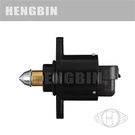
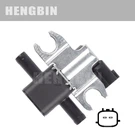

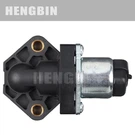

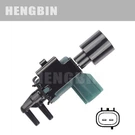
Hey there, folks! As a supplier of carbon canister solenoid valves, I'm super stoked to dive into how these nifty little devices work in multi - cylinder engines. It's gonna be a fun ride, so buckle up!
Let's start with the basics. What the heck is a carbon canister solenoid valve? Well, it's a crucial part of a vehicle's evaporative emission control system. You know how gasoline has a tendency to evaporate, especially when it's sitting in your fuel tank? That evaporated fuel, if left unchecked, would just escape into the atmosphere, contributing to air pollution. And that's where our carbon canister solenoid valve steps in.
In a multi - cylinder engine, this valve plays a key role in managing the flow of that evaporated fuel vapor. The carbon canister, which is like a big sponge, absorbs the fuel vapors from the fuel tank. When the engine is running, the solenoid valve opens up at the right time to allow these stored vapors to be drawn into the engine's intake manifold.
Now, let's get into how it actually works. The carbon canister solenoid valve is an electrically - operated valve. It's controlled by the engine control unit (ECU), which is basically the brain of the engine. The ECU uses data from various sensors in the engine to decide when to open and close the valve.
When the engine is cold or idling, the ECU usually keeps the valve closed. This is because, at these times, the engine doesn't need the extra fuel vapors. The engine is running on a rich fuel - air mixture already, and adding more vapors could mess up the combustion process.
Once the engine warms up and reaches its normal operating temperature, things change. The ECU starts to open the valve in a controlled manner. It does this by sending an electrical signal to the solenoid inside the valve. The solenoid is like a little electromagnet. When the electrical current flows through it, it creates a magnetic field. This magnetic field pulls a plunger inside the valve, which opens the valve and allows the fuel vapors to flow from the carbon canister to the intake manifold.
The amount of time the valve is open is carefully regulated. The ECU adjusts this based on factors like engine load, speed, and the temperature of the engine. For example, when you're driving at high speeds or under heavy load, the engine needs more fuel. So, the ECU might open the valve for a longer period to let in more of those stored fuel vapors.
In a multi - cylinder engine, evenly distributing these fuel vapors is super important. Each cylinder needs to get its fair share of the fuel - air mixture for smooth and efficient operation. The design of the intake manifold helps with this distribution. It's like a network of pipes that splits the incoming fuel - air mixture and sends it to each cylinder.
Let's talk about some of the benefits of having a properly functioning carbon canister solenoid valve in a multi - cylinder engine. First off, it helps reduce emissions. By recycling the fuel vapors back into the engine, we're not letting them escape into the air. This means cleaner air for all of us.
Secondly, it can improve fuel efficiency. Instead of wasting that evaporated fuel, we're using it to power the engine. Over time, this can save you some money at the gas pump.
Now, I know you're probably wondering about our products. We've got some great options available. Check out these links:
- Carbon Tank Solenoid Valve 04627694AB Suitable for Various Models Such As Chrysler
- Carbon Tank Solenoid Valve 12592015 Suitable for All Models
- Carbon Tank Solenoid Valve '0280142519 Suitable for Various Models Such As Lincoln
These valves are designed to work perfectly with a wide range of multi - cylinder engines. They're made with high - quality materials to ensure durability and reliable performance.
If you're in the market for a carbon canister solenoid valve for your multi - cylinder engine, don't hesitate to reach out. Whether you're a mechanic, a car enthusiast, or a fleet manager, we've got the right product for you. We're always happy to answer any questions you might have and help you find the best valve for your needs.
In conclusion, the carbon canister solenoid valve is a small but mighty component in a multi - cylinder engine. It plays a vital role in reducing emissions, improving fuel efficiency, and ensuring smooth engine operation. So, if you're looking to upgrade or replace your valve, consider our products. We're confident you'll be satisfied with the performance.
References:


- Automotive Technology: A Systems Approach, 6th Edition
- Modern Engine Technology: Spark Ignition Engines, 4th Edition