

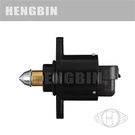
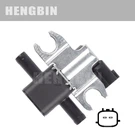

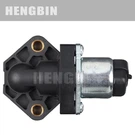

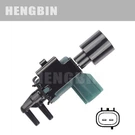
In the realm of motorcycle engineering, every component plays a crucial role in ensuring optimal performance, efficiency, and environmental friendliness. One such component that often goes unnoticed but is of utmost importance is the carbon canister solenoid valve. As a leading supplier of carbon canister solenoid valves, I am excited to delve into the inner workings of this vital part and shed light on its significance in motorcycles.
Understanding the Basics of a Carbon Canister System
Before we dive into the specifics of the carbon canister solenoid valve, it's essential to understand the broader context of the carbon canister system in a motorcycle. The primary function of this system is to reduce emissions by capturing and storing fuel vapors that would otherwise be released into the atmosphere. These vapors are generated in the fuel tank due to evaporation, especially when the motorcycle is parked or during hot weather conditions.
The carbon canister, typically filled with activated carbon, acts as a storage unit for these fuel vapors. The activated carbon has a large surface area with numerous pores that can adsorb the hydrocarbon molecules present in the fuel vapors. This process helps in preventing the release of harmful pollutants into the environment, which is not only beneficial for air quality but also ensures compliance with strict emission regulations.
The Role of the Carbon Canister Solenoid Valve
The carbon canister solenoid valve serves as a critical control element within the carbon canister system. Its main function is to regulate the flow of fuel vapors from the carbon canister to the engine's intake manifold. This valve operates based on signals received from the motorcycle's engine control unit (ECU), which monitors various engine parameters such as engine speed, load, and temperature.
When the motorcycle is running, the ECU determines the appropriate time to purge the fuel vapors stored in the carbon canister. It sends an electrical signal to the carbon canister solenoid valve, which then opens to allow the flow of vapors. Once the valve is open, the intake manifold's vacuum draws the stored fuel vapors from the canister and mixes them with the incoming air-fuel mixture. This mixture is then combusted in the engine cylinders, effectively using the previously stored fuel vapors and reducing emissions.
How the Carbon Canister Solenoid Valve Works
The operation of the carbon canister solenoid valve is based on the principle of electromagnetism. The valve consists of a coil of wire, a plunger, and a valve seat. When the ECU sends an electrical current to the coil, it creates a magnetic field. This magnetic field attracts the plunger, which is connected to the valve, causing it to move and open the valve.
Conversely, when the electrical current is removed, the magnetic field collapses, and a spring returns the plunger to its original position, closing the valve. This on-off operation of the valve is carefully controlled by the ECU to ensure that the fuel vapors are purged at the right time and in the correct quantity.
The ECU uses a variety of sensors to determine the optimal purge rate. For example, the mass airflow sensor measures the amount of air entering the engine, while the oxygen sensor monitors the oxygen content in the exhaust gases. Based on the data from these sensors, the ECU calculates the appropriate amount of fuel vapors to be purged and adjusts the opening and closing of the carbon canister solenoid valve accordingly.
Importance of a Properly Functioning Carbon Canister Solenoid Valve
A properly functioning carbon canister solenoid valve is essential for several reasons. Firstly, it helps in reducing emissions by ensuring that the fuel vapors are effectively captured and combusted in the engine. This not only benefits the environment but also helps motorcycle manufacturers meet strict emission standards set by regulatory authorities.
Secondly, the valve plays a crucial role in maintaining the engine's performance and fuel efficiency. By allowing the engine to use the stored fuel vapors, it effectively recycles the fuel that would otherwise be wasted. This can lead to improved fuel economy and reduced operating costs for the motorcycle owner.
Finally, a malfunctioning carbon canister solenoid valve can cause a variety of problems. If the valve fails to open, the fuel vapors will not be purged from the canister, leading to increased pressure in the fuel tank and potential fuel leaks. On the other hand, if the valve fails to close properly, it can cause a rich air-fuel mixture, resulting in poor engine performance, rough idling, and increased fuel consumption.
Our Range of Carbon Canister Solenoid Valves
As a trusted supplier of carbon canister solenoid valves, we offer a wide range of products to meet the diverse needs of motorcycle manufacturers and aftermarket customers. Our valves are designed and manufactured to the highest quality standards, ensuring reliable performance and long service life.
We have the Carbon Tank Solenoid Valve 28910-3L000 Is Suitable for Various Models Such As Hyundai, which is known for its precision engineering and compatibility with a variety of motorcycle models. This valve is designed to provide accurate control of the fuel vapor flow, ensuring optimal engine performance and emission reduction.
Another popular product in our range is the Carbon Canister Solenoid Valve '0280142459 Suitable for Various Car Models Such As Volkswagen. This valve is built to withstand the harsh operating conditions of motorcycles and offers excellent durability and reliability.
We also offer the Carbon Tank Solenoid Valve 'GL3Z-9325-A Is Suitable for All Kinds Of Models Such As Lincoln, which is a versatile solution for different motorcycle applications. It is designed to provide efficient fuel vapor management and contribute to a cleaner and more efficient engine operation.
Contact Us for Your Carbon Canister Solenoid Valve Needs
If you are in the market for high-quality carbon canister solenoid valves for your motorcycles, we would love to hear from you. Our team of experts is ready to assist you in finding the right valve for your specific requirements. Whether you are a motorcycle manufacturer looking for a reliable supplier or an aftermarket customer in need of a replacement valve, we have the products and expertise to meet your needs.
Contact us today to start a conversation about your carbon canister solenoid valve requirements. We look forward to working with you and helping you achieve optimal performance and emission reduction in your motorcycles.


References
- Heywood, J. B. (1988). Internal Combustion Engine Fundamentals. McGraw-Hill.
- Bosch Automotive Handbook. (2007). Robert Bosch GmbH.