

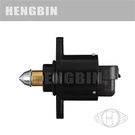
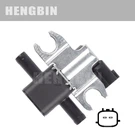

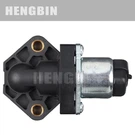

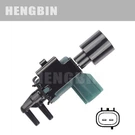
Hey there, fellow car enthusiasts! As a supplier of EGR vacuum solenoid valves for Honda, I get this question a lot: "How do I know if the EGR vacuum solenoid valve for my Honda needs to be replaced?" Well, stick around, and I'll break it down for you.
First off, let's talk a bit about what an EGR vacuum solenoid valve does. The Exhaust Gas Recirculation (EGR) system in your Honda is designed to reduce nitrogen oxide emissions by recirculating a portion of the exhaust gases back into the engine's intake manifold. The EGR vacuum solenoid valve plays a crucial role in this process. It controls the flow of vacuum to the EGR valve, which in turn regulates the amount of exhaust gas that gets recirculated.
Now, let's dive into the signs that might indicate your EGR vacuum solenoid valve needs to be replaced.
1. Check Engine Light
One of the most common signs is the illumination of the check engine light on your dashboard. Modern Hondas are equipped with an onboard diagnostic system (OBD-II) that monitors the performance of various components, including the EGR system. If the system detects an issue with the EGR vacuum solenoid valve, it will trigger the check engine light. When this happens, it's a good idea to use an OBD-II scanner to retrieve the trouble codes. Codes related to the EGR system, such as P0400 (EGR flow malfunction) or P0401 (insufficient EGR flow), could point to a problem with the solenoid valve.
2. Poor Engine Performance
A faulty EGR vacuum solenoid valve can also lead to poor engine performance. You might notice a decrease in power, rough idling, or hesitation when accelerating. This is because the incorrect flow of exhaust gases can disrupt the air-fuel mixture in the engine, causing it to run less efficiently. If you feel like your Honda isn't performing as well as it used to, the EGR vacuum solenoid valve could be to blame.
3. Increased Emissions
Since the EGR system is designed to reduce emissions, a malfunctioning EGR vacuum solenoid valve can cause an increase in nitrogen oxide emissions. This can lead to your vehicle failing an emissions test. If you're due for an emissions check and your Honda doesn't pass, it's worth having the EGR system, including the solenoid valve, inspected.
4. Stalling
In some cases, a bad EGR vacuum solenoid valve can cause your engine to stall. This usually happens when the valve gets stuck open or closed, disrupting the normal operation of the EGR system. If your Honda stalls unexpectedly, especially at idle or low speeds, it's definitely something to look into.
5. Strange Noises
You might also hear strange noises coming from the engine if the EGR vacuum solenoid valve is malfunctioning. A hissing sound could indicate a vacuum leak, which could be caused by a damaged or worn-out solenoid valve. Other unusual noises, such as rattling or clicking, could also be a sign of a problem.
So, what should you do if you suspect your EGR vacuum solenoid valve needs to be replaced? Well, the first step is to perform a visual inspection. Check the valve for any signs of damage, such as cracks, leaks, or loose connections. You can also use a multimeter to test the electrical resistance of the valve. If the resistance is outside the specified range, it's likely that the valve needs to be replaced.
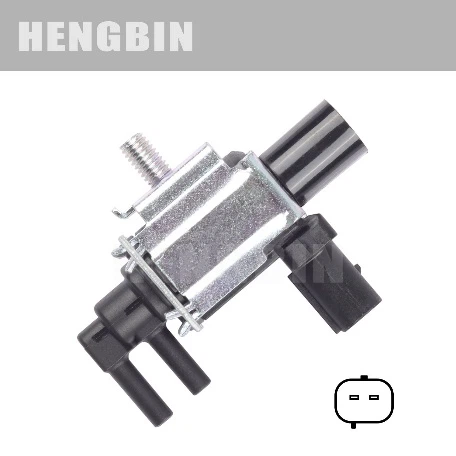

If you're not comfortable performing these tests yourself, it's always a good idea to take your Honda to a qualified mechanic. They have the tools and expertise to diagnose the problem accurately and replace the EGR vacuum solenoid valve if necessary.
As a supplier of EGR vacuum solenoid valves for Honda, I offer a wide range of high-quality products. For example, we have the EGR Vacuum Solenoid Valve 911 - 909 Suitable for Various Automotive Models Such As Focus, the EGR Vacuum Solenoid Valve 1S7Z - 9J559 - AA Suitable for Various Automotive Models Such As ford, and the EGR Vacuum Solenoid Valve PV619 2M1253 Suitable for Various Models Such As Lexus. These valves are designed to meet or exceed the original equipment manufacturer (OEM) specifications, ensuring optimal performance and reliability.
If you're in the market for a new EGR vacuum solenoid valve for your Honda, don't hesitate to get in touch. We can provide you with detailed information about our products, including compatibility, pricing, and shipping options. Whether you're a professional mechanic or a DIY enthusiast, we're here to help you find the right part for your vehicle.
In conclusion, knowing the signs that your EGR vacuum solenoid valve for Honda needs to be replaced can save you time and money in the long run. By paying attention to your vehicle's performance and addressing any issues promptly, you can keep your Honda running smoothly and efficiently. If you have any questions or need further assistance, feel free to reach out. We're always happy to help!
References
- Automotive Service Excellence (ASE) Study Guides
- Honda Owner's Manuals
- Online automotive forums and communities