




As a supplier of carbon tank solenoid valves for Ford, I've often been asked whether these components affect Ford's air intake system. In this blog post, I'll delve into this topic, exploring the science behind carbon tank solenoid valves, their role in a vehicle's operation, and their specific impact on Ford's air intake system.
Understanding the Carbon Tank Solenoid Valve
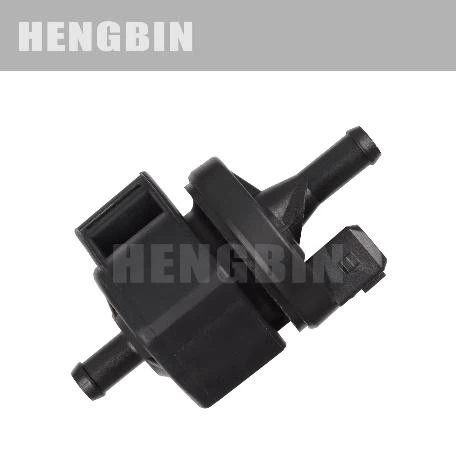
Before we discuss its impact on the air intake system, let's first understand what a carbon tank solenoid valve is. The carbon tank solenoid valve, also known as the purge valve, is an essential part of a vehicle's evaporative emission control system (EVAP). Its primary function is to control the flow of fuel vapors from the charcoal canister to the engine's intake manifold.
The charcoal canister stores fuel vapors that would otherwise be released into the atmosphere. When the engine is running, the carbon tank solenoid valve opens at specific intervals, allowing these vapors to be drawn into the intake manifold and burned in the combustion chamber. This process not only reduces harmful emissions but also improves fuel efficiency.
The Air Intake System in Ford Vehicles
Ford's air intake system is designed to provide a precise amount of clean air to the engine for combustion. It consists of several components, including the air filter, mass airflow sensor, throttle body, and intake manifold. The air filter removes dust and debris from the incoming air, while the mass airflow sensor measures the amount of air entering the engine. The throttle body controls the airflow, and the intake manifold distributes the air evenly to the engine's cylinders.
How the Carbon Tank Solenoid Valve Affects Ford's Air Intake System
The carbon tank solenoid valve can have both direct and indirect effects on Ford's air intake system.

Direct Effects
- Air - Fuel Mixture: When the carbon tank solenoid valve opens, it introduces fuel vapors into the intake manifold. This additional fuel can affect the air - fuel mixture. If the valve is stuck open, too much fuel vapor will enter the intake manifold, causing the air - fuel mixture to become too rich. On the other hand, if the valve is stuck closed, the fuel vapors will not be purged, and the air - fuel mixture may become too lean. An improper air - fuel mixture can lead to poor engine performance, including rough idling, hesitation, and decreased power.
- Vacuum in the Intake Manifold: The carbon tank solenoid valve is controlled by engine vacuum. A malfunctioning valve can disrupt the normal vacuum levels in the intake manifold. For example, a leaking valve can allow unmetered air to enter the intake system, which can cause the engine control unit (ECU) to miscalculate the amount of fuel needed for combustion.
Indirect Effects
- Sensor Malfunctions: An issue with the carbon tank solenoid valve can cause the mass airflow sensor or oxygen sensor to provide inaccurate readings. If the air - fuel mixture is off due to a faulty valve, the oxygen sensor may detect abnormal levels of oxygen in the exhaust gases. This can trigger the check engine light and cause the ECU to adjust the fuel injection system, which can further disrupt the air intake system's operation.
- Long - Term Engine Damage: Prolonged operation with a malfunctioning carbon tank solenoid valve can lead to long - term engine damage. A rich air - fuel mixture can cause carbon deposits to build up on the intake valves and pistons, reducing engine efficiency and potentially causing misfires. A lean mixture can cause the engine to run hotter than normal, which can damage the catalytic converter and other engine components.
Our Carbon Tank Solenoid Valves for Ford
At our company, we specialize in providing high - quality carbon tank solenoid valves for Ford vehicles. Our valves are designed to meet or exceed OEM specifications, ensuring optimal performance and reliability.
We understand the critical role that these valves play in the air intake system and overall vehicle operation. That's why we use advanced manufacturing techniques and high - quality materials to produce valves that are durable and precise. Our valves are rigorously tested to ensure they can withstand the harsh conditions of the engine environment and provide consistent performance over time.
Other Suitable Carbon Tank Solenoid Valves
In addition to our Ford - specific carbon tank solenoid valves, we also offer a wide range of valves suitable for various car models. For example, the Carbon Canister Solenoid Valve A11 - 1208210BA Suitable for Various Car Models Such As BYD and the Carbon Tank Solenoid Valve 0490B00701 Is Suitable for Various Models, Such As BYD are designed to fit multiple vehicle makes and models, providing a cost - effective solution for different customers. We also have the Carbon Canister Solenoid Valves 24109869BA Suitable for Various Car Models Such As Buick, which offers reliable performance for Buick vehicles.
Signs of a Faulty Carbon Tank Solenoid Valve in Ford Vehicles
If you own a Ford vehicle, it's important to be aware of the signs of a faulty carbon tank solenoid valve. These include:
- Check Engine Light: A malfunctioning valve can trigger the check engine light on your dashboard. The ECU may detect abnormal air - fuel ratios or vacuum levels and store a diagnostic trouble code (DTC) related to the EVAP system.
- Poor Fuel Economy: As mentioned earlier, a faulty valve can disrupt the air - fuel mixture, leading to decreased fuel efficiency. If you notice that your Ford is consuming more fuel than usual, it could be due to a problem with the carbon tank solenoid valve.
- Rough Idling or Stalling: An improper air - fuel mixture can cause the engine to idle roughly or even stall. If your Ford experiences these issues, it's worth having the carbon tank solenoid valve checked.
- Strong Fuel Odor: A leaking carbon tank solenoid valve can allow fuel vapors to escape into the engine compartment, resulting in a strong fuel odor.
Importance of Timely Replacement
If you suspect that your Ford's carbon tank solenoid valve is faulty, it's crucial to replace it as soon as possible. A malfunctioning valve can not only affect the air intake system and engine performance but also lead to increased emissions, which can cause your vehicle to fail an emissions test.
By replacing the valve with a high - quality part, you can restore the proper operation of the EVAP system and ensure that your Ford runs smoothly and efficiently.
Contact Us for Procurement
If you're in the market for carbon tank solenoid valves for Ford or other vehicle models, we'd love to hear from you. Our team of experts is ready to assist you with your procurement needs. Whether you're a car repair shop, a dealership, or an individual looking for a replacement part, we can provide you with the right product at a competitive price.
References
- Bosch Automotive Handbook, 7th Edition
- Haynes Ford Repair Manuals
- SAE International Technical Papers on Evaporative Emission Control Systems