

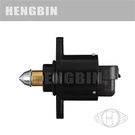
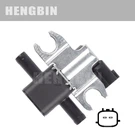

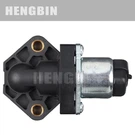

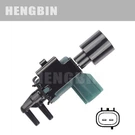
As a supplier of idle motors suitable for Renault, I've encountered numerous inquiries from customers regarding the potential over - heating of these motors. In this blog, I'll delve into the science behind idle motors, explore the reasons why a Renault idle motor might over - heat, and discuss preventive measures.
Understanding the Idle Motor in Renault Vehicles
The idle motor, also known as the idle air control (IAC) valve, plays a crucial role in a Renault vehicle's engine operation. Its primary function is to regulate the engine's idle speed by controlling the amount of air that bypasses the throttle plate. When the engine is idling, the throttle plate is nearly closed, and the idle motor ensures that the engine receives an appropriate amount of air to maintain a stable idle.
Renault vehicles are equipped with advanced engine management systems that rely on the precise operation of the idle motor. A well - functioning idle motor helps in smooth engine starts, reduces emissions, and improves fuel efficiency. However, like any mechanical or electrical component, it is susceptible to certain issues, including over - heating.
Reasons for Over - Heating
Electrical Issues
One of the most common causes of over - heating in a Renault idle motor is electrical problems. The idle motor is an electrically - controlled device, and if there are issues with the electrical supply, it can lead to excessive heat generation. For example, a short circuit in the wiring harness connected to the idle motor can cause an abnormal flow of current. When too much current passes through the motor, it generates more heat than it can dissipate, leading to over - heating.
Another electrical issue could be a faulty voltage regulator. The voltage regulator is responsible for maintaining a stable voltage supply to the idle motor. If it malfunctions and supplies a higher voltage than the motor is designed to handle, the motor will draw more power and heat up.
Mechanical Blockages
Mechanical blockages can also cause the idle motor to over - heat. The idle motor has moving parts that are designed to open and close to control the air flow. If there is a blockage in the air passage around the idle motor, such as a build - up of carbon deposits or dirt, the motor has to work harder to achieve the desired air flow. This increased workload causes the motor to consume more power and generate additional heat.
For instance, over time, the throttle body and the air intake system in Renault vehicles can accumulate carbon deposits from the combustion process. These deposits can restrict the movement of the idle motor's valve, forcing it to operate under stress and resulting in over - heating.
Poor Ventilation
The idle motor needs proper ventilation to dissipate the heat generated during its operation. In some Renault models, the idle motor is located in an area with limited airflow. If the surrounding components block the air circulation around the idle motor, the heat cannot escape effectively, leading to a rise in temperature.
For example, if there are other engine components placed too close to the idle motor, or if the engine compartment is cluttered, it can impede the natural airflow that helps in cooling the motor.
Excessive Use
In certain driving conditions, the idle motor may be required to work more frequently than normal. For example, in heavy traffic where the vehicle is constantly starting and stopping, the idle motor has to adjust the idle speed more often. This continuous operation can cause the motor to over - heat, especially if the vehicle is not given enough time to cool down between stops.
Impact of Over - Heating
Reduced Performance
An over - heated idle motor can significantly affect the performance of a Renault vehicle. When the motor over - heats, its internal components may expand, which can lead to a misalignment of the moving parts. This misalignment can cause the motor to operate less precisely, resulting in an unstable idle speed. The engine may start to stall or experience rough idling, making the driving experience unpleasant.
Component Failure
Prolonged over - heating can cause permanent damage to the idle motor. The excessive heat can melt the insulation of the electrical wires inside the motor, leading to short circuits. It can also damage the motor's bearings and other mechanical parts, eventually causing the motor to fail completely. When the idle motor fails, the engine may not be able to maintain a stable idle speed, and in some cases, it may not start at all.
Increased Emissions
A malfunctioning idle motor due to over - heating can also lead to increased emissions. Since the idle motor is responsible for regulating the air - fuel mixture during idling, an over - heated motor may not be able to control the air flow accurately. This can result in an improper air - fuel ratio, leading to incomplete combustion and higher emissions of pollutants such as carbon monoxide and hydrocarbons.
Preventive Measures
Regular Maintenance
Regular maintenance is crucial to prevent the over - heating of a Renault idle motor. This includes cleaning the throttle body and the air intake system at recommended intervals. By removing carbon deposits and dirt, the idle motor can operate more freely, reducing the risk of over - heating.
It is also important to check the electrical connections of the idle motor during routine maintenance. Ensure that the wiring harness is in good condition, without any signs of damage or short circuits. A professional mechanic can use diagnostic tools to test the electrical supply and voltage regulator to ensure they are functioning properly.
Inspection of Ventilation
Inspecting the ventilation around the idle motor is also essential. Make sure that there are no obstructions in the engine compartment that could impede the air flow around the idle motor. If necessary, rearrange any components that are blocking the ventilation path.
Upgrading Components
In some cases, upgrading certain components related to the idle motor can help prevent over - heating. For example, using high - quality wiring harnesses and voltage regulators can ensure a more stable electrical supply to the idle motor. Additionally, installing an aftermarket idle motor with better heat - dissipation capabilities can also be a viable option for some Renault models.


Our Products and Solutions
As a supplier of idle motors suitable for Renault, we offer a wide range of high - quality idle motors that are designed to meet the specific requirements of Renault vehicles. Our Idle Air Control Valve Stepper Motor 1149683 4940126 2S6A9F715 2S6A9F715BA 2S6A9F715BB 2SA9F715BA is a prime example of our commitment to quality. It is engineered to provide precise control of the idle speed and is built with materials that can withstand normal operating temperatures.
We also offer Idle Motor 14873 Is Suitable for Various Car Models Such As Citroen and Idle Motor 132008600 Is Suitable for Various Automotive Models Such As VOLVO, which showcase our expertise in manufacturing idle motors for different vehicle makes and models.
If you are experiencing issues with your Renault idle motor or are looking for a reliable replacement, we are here to help. Our team of experts can provide technical support and guidance to ensure that you choose the right idle motor for your vehicle.
Conclusion
In conclusion, an idle motor for Renault can indeed over - heat due to various reasons, including electrical issues, mechanical blockages, poor ventilation, and excessive use. Over - heating can have a significant impact on the performance, reliability, and emissions of the vehicle. However, by following proper maintenance procedures and using high - quality components, the risk of over - heating can be minimized.
If you are interested in our idle motors or have any questions regarding their operation and maintenance, we encourage you to contact us for further discussion. We are eager to engage in procurement talks and provide you with the best solutions for your Renault vehicles.
References
- Bosch Automotive Handbook, 7th Edition
- Renault Vehicle Service Manuals
- SAE International Technical Papers on Engine Idle Control Systems