



Can a faulty EGR vacuum solenoid valve cause a Subaru to fail an emissions test?
As a supplier of EGR vacuum solenoid valves for Subaru, I've encountered numerous inquiries regarding the impact of a malfunctioning EGR vacuum solenoid valve on a Subaru's emissions test results. In this blog post, I'll delve into the science behind this issue, explain how a faulty valve can lead to emissions test failures, and offer insights into our high - quality replacement options.
Understanding the EGR System in Subarus
The Exhaust Gas Recirculation (EGR) system is a crucial component in modern vehicles, including Subarus. Its primary function is to reduce nitrogen oxide (NOx) emissions. NOx is a harmful pollutant that forms when the air - fuel mixture in the engine's combustion chamber reaches high temperatures. By recirculating a small amount of exhaust gas back into the intake manifold, the EGR system lowers the peak combustion temperature, which in turn reduces the formation of NOx.
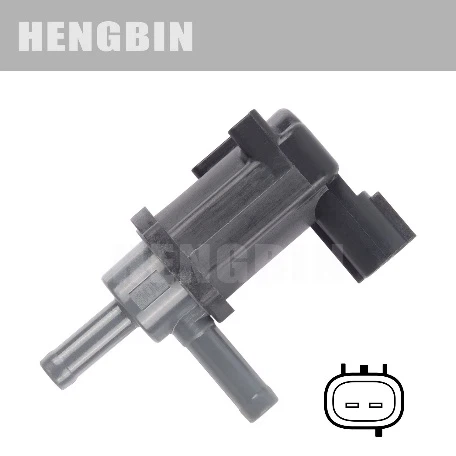
The EGR vacuum solenoid valve plays a vital role in the proper functioning of the EGR system. It is an electronically controlled valve that regulates the flow of vacuum to the EGR valve. When the engine control unit (ECU) sends a signal, the solenoid valve opens or closes, allowing or blocking the vacuum that actuates the EGR valve. This precise control ensures that the right amount of exhaust gas is recirculated at the appropriate times during engine operation.
How a Faulty EGR Vacuum Solenoid Valve Affects Emissions
When the EGR vacuum solenoid valve malfunctions, it can disrupt the entire EGR system. There are several ways in which a faulty valve can cause problems:
1. Stuck - Open Valve
If the EGR vacuum solenoid valve gets stuck in the open position, it will continuously supply vacuum to the EGR valve. This causes the EGR valve to remain open all the time or open more than it should. As a result, too much exhaust gas is recirculated into the intake manifold. This can lead to a lean air - fuel mixture, which in turn causes misfires, rough idling, and a significant drop in engine performance. Moreover, an excessive amount of exhaust gas can prevent the engine from burning the air - fuel mixture efficiently, leading to an increase in hydrocarbon (HC) and carbon monoxide (CO) emissions.

2. Stuck - Closed Valve
Conversely, if the EGR vacuum solenoid valve is stuck in the closed position, no vacuum is supplied to the EGR valve. This means that the EGR valve will not open, and no exhaust gas will be recirculated. Without the cooling effect of the recirculated exhaust gas, the combustion temperature in the engine will rise significantly. As mentioned earlier, high combustion temperatures lead to the formation of large amounts of NOx. Therefore, a stuck - closed EGR vacuum solenoid valve can cause a substantial increase in NOx emissions, which is a major factor in failing an emissions test.
3. Erratic Operation
In some cases, the EGR vacuum solenoid valve may operate erratically. It might open and close at the wrong times or not respond properly to the signals from the ECU. This inconsistent behavior can lead to an unpredictable flow of exhaust gas into the intake manifold. The engine may experience intermittent performance issues, and emissions levels can fluctuate. These fluctuations can cause the vehicle to exceed the allowable emissions limits during an emissions test.
Signs of a Faulty EGR Vacuum Solenoid Valve in a Subaru
There are several symptoms that can indicate a problem with the EGR vacuum solenoid valve in a Subaru:
- Check Engine Light: The most common sign is the illumination of the check engine light on the dashboard. The ECU detects the abnormal operation of the EGR system and stores a diagnostic trouble code (DTC). Mechanics can use an OBD - II scanner to retrieve this code and identify the specific problem.
- Rough Idling: A faulty EGR vacuum solenoid valve can cause the engine to idle roughly. This is because of the incorrect amount of exhaust gas being recirculated, which disrupts the normal combustion process.
- Poor Acceleration: You may notice a decrease in acceleration performance. The engine may feel sluggish and unresponsive, especially when you try to accelerate quickly.
- Increased Fuel Consumption: As the engine struggles to operate properly due to the malfunctioning EGR system, it may consume more fuel than usual.
Our Solutions for Subaru EGR Vacuum Solenoid Valves
As a trusted supplier of EGR vacuum solenoid valves for Subaru, we offer a wide range of high - quality replacement parts. Our valves are designed to meet or exceed the original equipment manufacturer (OEM) specifications, ensuring a perfect fit and reliable performance.
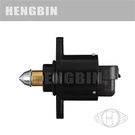
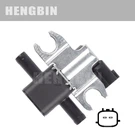
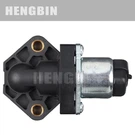
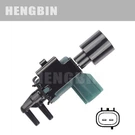
We have a variety of models available, such as the EGR Vacuum Solenoid Valve 9048411 Is Suitable for Various Automotive Models Such As Xuef, EGR Vacuum Solenoid Valve 149561P110 Suitable for Various Automotive Models Such As Haima, and EGR Vacuum Solenoid Valve 136200 - 3210 Suitable for Various Automotive Models Such As Toyota. Although these models are suitable for other brands as well, we also have specific valves tailored to Subarus.
Our valves are made from high - quality materials that can withstand the harsh conditions inside the engine compartment. They are rigorously tested to ensure proper operation and durability. By replacing a faulty EGR vacuum solenoid valve with one of our products, you can restore the proper functioning of the EGR system in your Subaru, improve engine performance, and reduce emissions.
Conclusion
A faulty EGR vacuum solenoid valve can indeed cause a Subaru to fail an emissions test. Whether it is stuck open, stuck closed, or operating erratically, a malfunctioning valve can disrupt the EGR system and lead to an increase in harmful emissions. If you notice any of the symptoms mentioned above in your Subaru, it is crucial to have the EGR vacuum solenoid valve checked and replaced if necessary.
As a leading supplier of EGR vacuum solenoid valves for Subaru, we are committed to providing you with the best products and solutions. If you are interested in purchasing our EGR vacuum solenoid valves or have any questions about our products, please feel free to contact us for further discussion. We look forward to serving you and helping you keep your Subaru running cleanly and efficiently.
References
- Bosch Automotive Handbook, 7th Edition
- SAE International Journal of Passenger Cars - Mechanical Systems
- Chilton's Subaru Repair Manual