



Can a dirty EGR vacuum solenoid valve cause stalling?
In the world of automotive engineering, the Exhaust Gas Recirculation (EGR) system plays a crucial role in reducing nitrogen oxide (NOx) emissions and improving fuel efficiency. At the heart of this system lies the EGR vacuum solenoid valve, a small yet significant component that controls the flow of exhaust gases back into the engine's intake manifold. As a trusted supplier of EGR vacuum solenoid valves, I've encountered numerous questions from customers regarding the potential issues associated with these valves, particularly whether a dirty EGR vacuum solenoid valve can cause stalling. In this blog post, I'll delve into the mechanics of the EGR system, explain how a dirty solenoid valve can impact engine performance, and provide insights on how to address this problem.
Understanding the EGR System and the Role of the Vacuum Solenoid Valve
The EGR system is designed to reduce the formation of NOx by recirculating a portion of the exhaust gases back into the engine's combustion chamber. When the engine is operating under certain conditions, such as at a steady speed or under light load, the EGR system opens a valve to allow a controlled amount of exhaust gas to mix with the incoming air-fuel mixture. This reduces the peak combustion temperature, which in turn reduces the formation of NOx.
The EGR vacuum solenoid valve is responsible for controlling the flow of vacuum to the EGR valve. When the engine control unit (ECU) sends a signal to the solenoid valve, it opens, allowing vacuum to be applied to the EGR valve. This causes the EGR valve to open, allowing exhaust gases to flow into the intake manifold. When the ECU sends a signal to close the solenoid valve, the vacuum is released, and the EGR valve closes.
How a Dirty EGR Vacuum Solenoid Valve Can Cause Stalling
Over time, the EGR vacuum solenoid valve can become dirty due to the accumulation of carbon deposits, oil, and other contaminants. This can cause the valve to stick open or closed, or to operate erratically. When the solenoid valve is stuck open, it can cause an excessive amount of exhaust gas to enter the intake manifold, which can lead to a rich air-fuel mixture and poor engine performance. This can result in symptoms such as rough idling, hesitation, and stalling.
On the other hand, when the solenoid valve is stuck closed, it can prevent the EGR valve from opening, which can cause an increase in NOx emissions and a decrease in fuel efficiency. In some cases, a stuck-closed solenoid valve can also cause the engine to stall, especially when the engine is under load or when the vehicle is accelerating.
In addition to sticking open or closed, a dirty EGR vacuum solenoid valve can also cause the valve to operate erratically. This can result in inconsistent EGR flow, which can cause the engine to run poorly and stall.
Symptoms of a Dirty EGR Vacuum Solenoid Valve
In addition to stalling, there are several other symptoms that may indicate a dirty EGR vacuum solenoid valve. These include:
- Rough idling: A dirty solenoid valve can cause the engine to idle roughly or inconsistently.
- Hesitation or misfiring: When the EGR system is not functioning properly, it can cause the engine to hesitate or misfire, especially when accelerating.
- Poor fuel economy: A dirty solenoid valve can cause the engine to run rich, which can result in decreased fuel efficiency.
- Check engine light: A malfunctioning EGR vacuum solenoid valve can trigger the check engine light to come on. The diagnostic trouble code (DTC) associated with the EGR system can provide more information about the specific problem.
Diagnosing and Fixing a Dirty EGR Vacuum Solenoid Valve

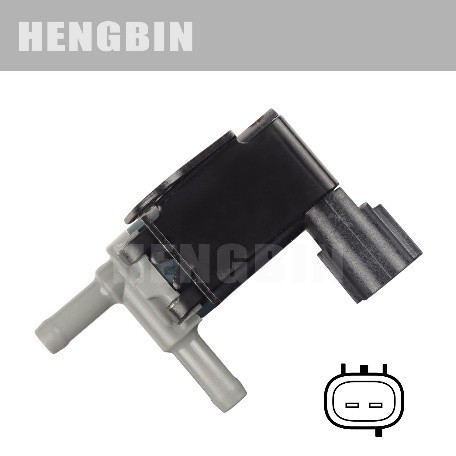
If you suspect that your EGR vacuum solenoid valve is dirty or malfunctioning, it's important to have it diagnosed and repaired as soon as possible. A qualified mechanic can use a diagnostic scanner to read the DTCs stored in the ECU and determine the cause of the problem.
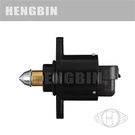
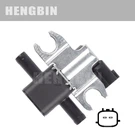
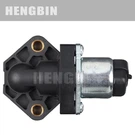
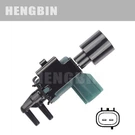
In some cases, a dirty EGR vacuum solenoid valve can be cleaned using a specialized cleaner. However, if the valve is severely clogged or damaged, it may need to be replaced. As an EGR vacuum solenoid valve supplier, I offer a wide range of high-quality solenoid valves that are designed to meet or exceed OEM specifications. Some of our popular products include:
- EGR Vacuum Solenoid Valves25860-46010Suitable for Various Car Models Such As Toyota
- EGR Vacuum Solenoid Valve K5T48477 Is Suitable for Various Automotive Models Such As Pajero
- EGR Vacuum Solenoid Valve K5T48290 Suitable for Various Automotive Models Such As Haima
Preventing EGR Vacuum Solenoid Valve Problems
To prevent EGR vacuum solenoid valve problems, it's important to follow the manufacturer's recommended maintenance schedule. This includes regular oil changes, air filter replacements, and fuel system cleanings. In addition, using high-quality fuel and oil can help reduce the accumulation of carbon deposits and other contaminants in the EGR system.
It's also a good idea to have your vehicle inspected by a qualified mechanic on a regular basis. A mechanic can check the EGR system for signs of wear and tear, and can recommend any necessary repairs or maintenance.
Conclusion
In conclusion, a dirty EGR vacuum solenoid valve can cause stalling and other engine performance problems. By understanding the role of the EGR system and the symptoms of a dirty solenoid valve, you can take steps to prevent and address this issue. If you suspect that your EGR vacuum solenoid valve is dirty or malfunctioning, don't hesitate to contact us. As a leading supplier of EGR vacuum solenoid valves, we offer a wide range of high-quality products and expert advice to help you keep your vehicle running smoothly. Whether you're a professional mechanic or a DIY enthusiast, we're here to assist you with all your EGR system needs. Contact us today to learn more about our products and services, and to discuss your specific requirements.
References
- Automotive Service Excellence (ASE) - Exhaust Gas Recirculation (EGR) Systems
- Chilton's Automotive Repair Manuals
- Haynes Repair Manuals