

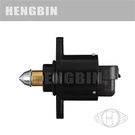
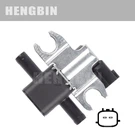

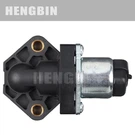

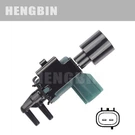
Hey there, folks! As a supplier of EGR vacuum solenoid valves, I've been getting a lot of questions lately about whether a damaged EGR vacuum solenoid valve can lead to overheating. So, I thought I'd dive into this topic and share some insights with you.
First off, let's quickly understand what an EGR vacuum solenoid valve does. The Exhaust Gas Recirculation (EGR) system is an important part of your vehicle's emission control setup. The EGR vacuum solenoid valve controls the flow of exhaust gases that are recirculated back into the engine's intake manifold. By doing so, it helps reduce the formation of nitrogen oxides (NOx) during the combustion process, which are harmful pollutants.
Now, can a damaged EGR vacuum solenoid valve cause overheating? The short answer is yes, it can. Here's how.
How a Damaged EGR Valve Leads to Overheating
1. Altered Combustion Temperatures
The main function of the EGR system is to introduce a small amount of exhaust gas into the intake air. Exhaust gases are mostly inert, meaning they don't burn during the combustion process. When these inert gases are mixed with the air - fuel mixture, they act as a heat sink. They absorb some of the heat generated during combustion, thus lowering the peak combustion temperatures.
If the EGR vacuum solenoid valve is damaged and fails to allow the proper amount of exhaust gas to recirculate, the combustion temperatures can rise significantly. High combustion temperatures can cause the engine to overheat. For example, if the valve is stuck closed, no exhaust gas is recirculated. This leads to a more intense and hotter combustion process, putting extra stress on the engine's cooling system.
2. Increased Load on the Cooling System
When the combustion temperatures are higher than normal, the engine's cooling system has to work harder to dissipate the excess heat. The radiator, water pump, and coolant all play crucial roles in keeping the engine at an optimal temperature. But when the heat production is excessive due to a malfunctioning EGR valve, the cooling system may not be able to keep up.
The coolant may not be able to absorb and transfer the heat fast enough, and the radiator may struggle to release the heat into the surrounding air. This can lead to a buildup of heat in the engine, eventually resulting in overheating.
3. Carbon Deposits
A damaged EGR vacuum solenoid valve can also lead to the formation of carbon deposits in the intake manifold and on the intake valves. When the valve doesn't work properly, the exhaust gas flow is disrupted. This can cause unburned fuel and other contaminants to accumulate in the intake system.
Carbon deposits can act as insulators, preventing proper heat transfer. They can also interfere with the normal airflow into the engine, which affects the combustion process. As a result, the engine may run hotter and be more prone to overheating.
Signs of a Damaged EGR Vacuum Solenoid Valve
So, how do you know if your EGR vacuum solenoid valve is damaged? Here are some common signs:
- Check Engine Light: The vehicle's onboard diagnostic system can detect issues with the EGR system. If the valve is malfunctioning, it will usually trigger the check engine light on your dashboard. You can use an OBD - II scanner to read the error codes and determine if the problem is related to the EGR valve.
- Poor Engine Performance: A damaged valve can cause rough idling, hesitation during acceleration, and a decrease in power. This is because the improper recirculation of exhaust gases affects the air - fuel mixture and the combustion process.
- Increased Emissions: Since the main purpose of the EGR system is to reduce emissions, a faulty valve can lead to higher levels of NOx emissions. You may fail an emissions test if your vehicle has a damaged EGR vacuum solenoid valve.
Our EGR Vacuum Solenoid Valve Products
As a supplier, we offer a wide range of high - quality EGR vacuum solenoid valves. For example, we have the EGR Vacuum Solenoid Valve 14930 - AX000 Suitable for Various Models Such As Nissan. This valve is designed to fit perfectly in Nissan vehicles and ensure proper exhaust gas recirculation.
Another great product is the EGR Vacuum Solenoid Valve 149561P110 Suitable for Various Automotive Models Such As Haima. It is engineered to meet the specific requirements of Haima cars and other compatible models.
We also have the EGR Vacuum Solenoid Valve K5T48677 Is Suitable for Various Automotive Models, Such As Nissan. This valve is known for its durability and reliable performance.
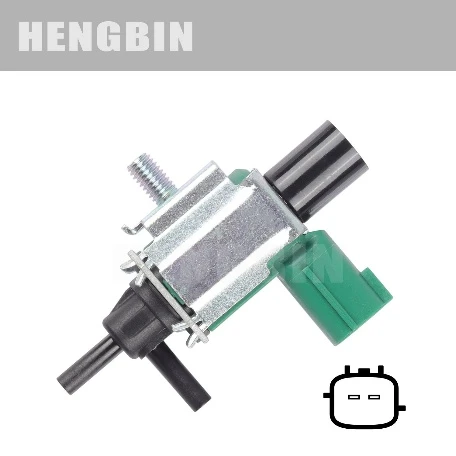

Preventing Overheating Due to EGR Valve Issues
To prevent overheating caused by a damaged EGR vacuum solenoid valve, regular maintenance is key. Here are some tips:
- Inspect the Valve Regularly: During routine vehicle maintenance, have the EGR vacuum solenoid valve inspected for any signs of damage, such as leaks, stuck positions, or electrical problems.
- Clean the EGR System: Over time, carbon deposits can build up in the EGR system. Cleaning the intake manifold, EGR valve, and related components can help ensure proper operation.
- Replace the Valve When Necessary: If the valve shows signs of significant wear or damage, it's best to replace it with a high - quality replacement part. Using a reliable EGR vacuum solenoid valve like the ones we offer can help keep your engine running smoothly and prevent overheating.
Conclusion
In conclusion, a damaged EGR vacuum solenoid valve can definitely lead to overheating in your vehicle. It affects the combustion process, increases the load on the cooling system, and can cause carbon deposits. By understanding the signs of a damaged valve and taking preventive measures, you can avoid costly engine overheating problems.
If you're experiencing issues with your EGR vacuum solenoid valve or are looking to replace it as a preventive measure, we're here to help. We offer a variety of EGR vacuum solenoid valves that are suitable for different vehicle models. Contact us for more information and to start a procurement discussion. We're committed to providing you with the best products and services to keep your engine in top shape.
References
- Automotive Service Excellence (ASE) study materials on engine emissions control systems.
- "Automotive Technology: A Systems Approach" textbook.
- Technical bulletins from major vehicle manufacturers regarding EGR system operation and troubleshooting.