




Can a Cooling Shutoff Valve Be Used in a Water-Based Cooling System?
As a supplier of cooling shutoff valves, I've often been asked whether these valves can be effectively used in water-based cooling systems. In this blog post, I'll explore the technical aspects, benefits, and considerations of using cooling shutoff valves in such systems.
Technical Feasibility
Water-based cooling systems are widely used in various industries, from automotive engines to industrial machinery. These systems rely on water as a coolant to absorb and transfer heat away from the components that generate it. A cooling shutoff valve plays a crucial role in controlling the flow of the coolant within the system.
The basic principle of a cooling shutoff valve is to open or close the passage of the coolant flow. In a water-based cooling system, this can be achieved through different mechanisms. For example, some valves use a solenoid to actuate the opening and closing process. When an electrical signal is sent, the solenoid moves a plunger, which either allows or blocks the water flow. Others may use a mechanical or pneumatic actuator, depending on the specific requirements of the system.
The materials used in cooling shutoff valves are also important in a water-based environment. Since water can cause corrosion over time, valves are typically made from materials that are resistant to rust and chemical reactions. Stainless steel, brass, and certain types of plastics are commonly used. These materials ensure the durability of the valve and prevent any contamination of the coolant.
Benefits of Using Cooling Shutoff Valves in Water-Based Cooling Systems
-
Energy Efficiency
One of the primary benefits of using a cooling shutoff valve is energy savings. In a water-based cooling system, the pump continuously circulates water to maintain the desired temperature. However, there are times when the cooling demand is low, such as during startup or shutdown of a machine. By using a shutoff valve, the flow of water can be stopped when it's not needed, reducing the load on the pump and saving energy. -
Temperature Control
Precise temperature control is essential in many applications. A cooling shutoff valve allows for better regulation of the coolant flow, which in turn helps to maintain a more stable temperature. For example, in an automotive engine, the valve can open or close based on the engine's temperature sensors. When the engine is cold, the valve can restrict the flow of coolant to allow the engine to warm up quickly. Once the engine reaches the optimal operating temperature, the valve can open to ensure proper cooling.
-
System Protection
Cooling shutoff valves can also protect the water-based cooling system from damage. In the event of a malfunction or an emergency, the valve can be closed to prevent the over - flow or leakage of coolant. This can prevent damage to other components in the system and reduce the risk of costly repairs.
Considerations
-
Compatibility
It's crucial to ensure that the cooling shutoff valve is compatible with the water-based cooling system. This includes factors such as the pressure and temperature ratings of the valve, as well as the chemical composition of the coolant. Some coolants may contain additives that could react with the valve materials, so it's important to choose a valve that is specifically designed for the type of coolant used. -
Maintenance
Regular maintenance is necessary to ensure the proper functioning of the cooling shutoff valve. This includes checking for leaks, cleaning the valve components, and testing the actuator. Neglecting maintenance can lead to valve failure, which can have serious consequences for the cooling system. -
Cost
The cost of a cooling shutoff valve is another consideration. While the initial investment may seem high, the long - term benefits of energy savings and system protection can outweigh the cost. It's important to compare different valve models and suppliers to find the best balance between cost and performance.
Example of a Cooling Shutoff Valve Application
Let's take a look at a real - world example. In a large industrial manufacturing plant, a water-based cooling system is used to cool the machinery. The plant has multiple production lines, and each line has its own cooling requirements. By installing cooling shutoff valves in each line, the plant can control the coolant flow more precisely.
During periods of low production, the valves can be closed to reduce the overall cooling demand. This not only saves energy but also extends the lifespan of the cooling equipment. Additionally, if there is a problem with one production line, the valve can be closed to isolate the affected area, preventing any potential damage to the rest of the system.
A Specific Cooling Shutoff Valve for Benz
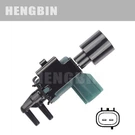
If you are specifically looking for a cooling shutoff valve for a Benz vehicle, we have a product that might be of interest. The Cooling Shut - Off Valve 0005061000 Is Applicable To Benz. This valve is designed to meet the high - quality standards of Benz vehicles and provides reliable performance in the water-based cooling system.
Conclusion
In conclusion, cooling shutoff valves can be effectively used in water-based cooling systems. They offer numerous benefits, including energy efficiency, temperature control, and system protection. However, it's important to consider factors such as compatibility, maintenance, and cost when choosing a valve.
If you are interested in learning more about our cooling shutoff valves or have specific requirements for your water-based cooling system, please feel free to contact us for a detailed discussion. We are committed to providing high - quality products and excellent customer service to meet your needs.
References
- "Handbook of Industrial Water Cooling Systems"
- "Automotive Cooling System Design and Analysis"
- Technical specifications from cooling shutoff valve manufacturers