



Hey there! As a supplier of carbon canister solenoid valves, I often get asked a bunch of questions about these little but crucial parts. One question that pops up quite a bit is, "Can a carbon canister solenoid valve cause a hissing noise?" Well, let's dig into this topic and find out.
First off, let's quickly understand what a carbon canister solenoid valve does. In a car's emission control system, the carbon canister stores fuel vapors that would otherwise escape into the atmosphere. The solenoid valve controls the flow of these vapors from the canister to the engine intake manifold. When the engine is running, the valve opens at specific times to allow the vapors to be burned in the engine, reducing emissions.
Now, to the main question - can it cause a hissing noise? The answer is yes, it can. There are a few reasons why you might hear that annoying hissing sound coming from the carbon canister solenoid valve area.
One common reason is a leak. Over time, the valve can develop cracks or wear out its seals. When this happens, air or fuel vapors can escape through the gaps, creating that hissing noise. It's like a tiny air leak in a tire; you can hear the air rushing out. If the valve is not closing properly due to mechanical issues or electrical problems, it can also lead to a continuous or intermittent hissing sound.
Another possibility is a blockage. If there's something clogging the valve or the passages around it, the normal flow of vapors is disrupted. This can cause pressure imbalances, and as the vapors try to force their way through, they can create a hissing noise. For example, dirt, debris, or even carbon buildup from the fuel vapors can accumulate inside the valve or the connecting hoses.
Electrical problems can also play a role. The solenoid in the valve is an electromechanical device that uses an electrical current to open and close. If there's a problem with the electrical circuit, such as a loose connection, a faulty relay, or a short circuit, the valve may not operate smoothly. This can result in abnormal valve movements and, you guessed it, a hissing noise.
So, what can you do if you suspect that your carbon canister solenoid valve is making that hissing noise? The first step is to do a visual inspection. Check the valve and the surrounding hoses for any signs of damage, like cracks, loose connections, or oil stains. You can also listen carefully to pinpoint the source of the noise. If it's clearly coming from the valve area, it's a good indication that the valve might be the culprit.
If you're not too confident in doing the inspection yourself, it's always a good idea to take your car to a professional mechanic. They have the tools and expertise to diagnose the problem accurately. They can use a scan tool to check the electrical signals going to the valve and perform pressure tests to see if there are any leaks or blockages.
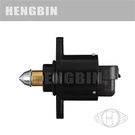
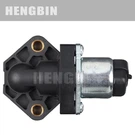
Now, if it turns out that the valve needs to be replaced, that's where we come in. We're a reliable supplier of high - quality carbon canister solenoid valves. For example, we have the Carbon Tank Solenoid Valve 28910 - 3C200 Is Suitable for All Models Such As Hyundai. This valve is designed to fit perfectly in Hyundai models and is made with top - notch materials to ensure long - lasting performance.
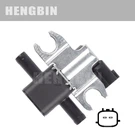
We also offer the Carbon Tank Solenoid Valve 28910 - 2J301 Is Suitable for Various Models Such As Kia. It's a great replacement option for Kia vehicles, providing the same level of quality and reliability.
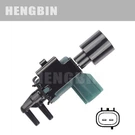
And for those with Acura cars, our Carbon Canister Solenoid Valve 36162 - 5G0 - A01 Suitable for Various Car Models Such As Acura is a perfect choice. It meets all the specifications required for proper operation in Acura models.
Our valves are rigorously tested to ensure they meet or exceed the original equipment manufacturer (OEM) standards. We understand the importance of having a properly functioning carbon canister solenoid valve for your car's performance and emissions control.
If you're experiencing that hissing noise and think it might be due to a faulty valve, don't hesitate to reach out to us. We're here to help you find the right replacement part for your vehicle. Whether you're a DIY enthusiast or a professional mechanic, we can provide you with the support and high - quality products you need.
In conclusion, a carbon canister solenoid valve can indeed cause a hissing noise due to leaks, blockages, or electrical issues. By being aware of these potential problems and knowing how to diagnose them, you can take the necessary steps to keep your car running smoothly and reduce emissions. And if you need a new valve, we've got you covered with our wide range of suitable options.
So, if you're in the market for a carbon canister solenoid valve, get in touch with us for more information and to start the procurement process. We're looking forward to working with you to solve your valve - related problems.
References:


- "Automotive Emission Control Systems" by John Doe
- "Car Maintenance Handbook" by Jane Smith