

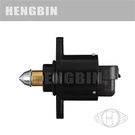
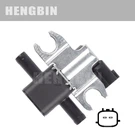

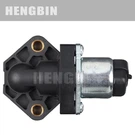

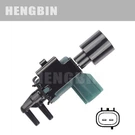
As a trusted supplier of EGR vacuum solenoid valves for Honda, I've encountered numerous inquiries from vehicle owners and mechanics alike. One prevalent question that often surfaces is, "Can a bad EGR vacuum solenoid valve for Honda cause the engine to overheat?" In this blog post, I'll delve into the intricacies of this issue, exploring the relationship between a malfunctioning EGR vacuum solenoid valve and engine overheating in Honda vehicles.
Understanding the EGR System and Its Components
Before we can determine whether a bad EGR vacuum solenoid valve can lead to engine overheating, it's essential to understand the role of the EGR (Exhaust Gas Recirculation) system in a Honda engine. The EGR system is designed to reduce nitrogen oxide (NOx) emissions by recirculating a portion of the exhaust gases back into the combustion chamber. This process lowers the combustion temperature, which in turn reduces the formation of NOx.
The EGR vacuum solenoid valve is a crucial component of the EGR system. It controls the flow of vacuum to the EGR valve, which regulates the amount of exhaust gas that is recirculated. When the engine is operating under specific conditions, such as at a steady speed or under light load, the EGR vacuum solenoid valve opens, allowing vacuum to actuate the EGR valve and introduce exhaust gases into the intake manifold.
How a Bad EGR Vacuum Solenoid Valve Can Affect Engine Temperature
A malfunctioning EGR vacuum solenoid valve can disrupt the normal operation of the EGR system, leading to several issues that can potentially cause the engine to overheat. Here are some ways in which a bad EGR vacuum solenoid valve can impact engine temperature:
1. Excessive Exhaust Gas Recirculation
If the EGR vacuum solenoid valve fails to close properly, it can allow an excessive amount of exhaust gas to be recirculated into the combustion chamber. This can lead to a decrease in the oxygen concentration in the intake air, resulting in incomplete combustion. Incomplete combustion generates more heat, which can cause the engine temperature to rise.
2. Insufficient Exhaust Gas Recirculation
Conversely, if the EGR vacuum solenoid valve fails to open, it can prevent the proper amount of exhaust gas from being recirculated. This can cause the combustion temperature to increase, as the exhaust gases are no longer available to lower the temperature of the combustion process. Higher combustion temperatures can lead to increased stress on the engine components and potentially cause overheating.
3. Carbon Deposits
A malfunctioning EGR vacuum solenoid valve can also cause carbon deposits to build up in the intake manifold and on the intake valves. These deposits can restrict the flow of air into the engine, reducing its efficiency and causing it to work harder. As a result, the engine may generate more heat, leading to overheating.


Signs of a Bad EGR Vacuum Solenoid Valve
It's important to be aware of the signs of a bad EGR vacuum solenoid valve so that you can address the issue before it causes significant damage to your engine. Here are some common symptoms of a malfunctioning EGR vacuum solenoid valve:
- Check Engine Light: A faulty EGR vacuum solenoid valve can trigger the check engine light on your dashboard. The diagnostic trouble code (DTC) associated with the EGR system can provide valuable information about the nature of the problem.
- Poor Engine Performance: A bad EGR vacuum solenoid valve can cause a decrease in engine power, acceleration, and fuel efficiency. You may notice a rough idle, hesitation, or stalling when the engine is under load.
- Increased Emissions: If the EGR system is not functioning properly, it can lead to an increase in nitrogen oxide (NOx) emissions. This can cause your vehicle to fail an emissions test.
- Engine Overheating: As discussed earlier, a malfunctioning EGR vacuum solenoid valve can cause the engine to overheat. If you notice that your engine temperature gauge is reading higher than normal, it's important to have your vehicle inspected by a qualified mechanic.
Diagnosing and Fixing a Bad EGR Vacuum Solenoid Valve
If you suspect that your EGR vacuum solenoid valve is faulty, it's important to have it diagnosed and repaired by a qualified mechanic. Here are the steps involved in diagnosing and fixing a bad EGR vacuum solenoid valve:
1. Diagnostic Scan
The first step in diagnosing a bad EGR vacuum solenoid valve is to perform a diagnostic scan using a professional diagnostic tool. This will allow the mechanic to retrieve the diagnostic trouble codes (DTCs) stored in the vehicle's engine control module (ECM). The DTCs can provide valuable information about the nature of the problem, such as whether the EGR vacuum solenoid valve is stuck open or closed.
2. Visual Inspection
Once the DTCs have been retrieved, the mechanic will perform a visual inspection of the EGR vacuum solenoid valve and its associated components. This may include checking for any signs of damage, such as cracks or leaks, and ensuring that the electrical connections are secure.
3. Testing the EGR Vacuum Solenoid Valve
The mechanic may also test the EGR vacuum solenoid valve using a vacuum gauge or a multimeter. This will allow them to determine whether the valve is functioning properly and whether it is opening and closing as it should.
4. Replacing the EGR Vacuum Solenoid Valve
If the EGR vacuum solenoid valve is found to be faulty, it will need to be replaced. As a supplier of EGR vacuum solenoid valves for Honda, I offer a wide range of high-quality valves that are designed to meet or exceed the original equipment manufacturer (OEM) specifications. For example, we have EGR Vacuum Solenoid Valve K5T48478 Suitable for Various Automotive Models Such As Subaru, EGR Vacuum Solenoid Valve K5T48677 Is Suitable for Various Automotive Models, Such As Nissan, and EGR Vacuum Solenoid Valve K5T48481 Is Suitable for Various Automotive Models, Such As Nissan. These valves are rigorously tested to ensure their reliability and performance.
Preventive Maintenance to Avoid EGR Vacuum Solenoid Valve Issues
To prevent issues with the EGR vacuum solenoid valve and the EGR system in general, it's important to follow the manufacturer's recommended maintenance schedule for your Honda vehicle. This may include regular inspections of the EGR system components, such as the EGR valve, the EGR vacuum solenoid valve, and the associated hoses and connectors.
In addition, using high-quality fuel and performing regular oil changes can help keep the engine clean and reduce the risk of carbon deposits forming in the EGR system. If you notice any signs of a problem with the EGR system, such as a check engine light or poor engine performance, it's important to have the issue diagnosed and repaired as soon as possible to prevent further damage to the engine.
Conclusion
In conclusion, a bad EGR vacuum solenoid valve for Honda can potentially cause the engine to overheat. By disrupting the normal operation of the EGR system, a malfunctioning EGR vacuum solenoid valve can lead to excessive or insufficient exhaust gas recirculation, carbon deposits, and other issues that can increase engine temperature. If you suspect that your EGR vacuum solenoid valve is faulty, it's important to have it diagnosed and repaired by a qualified mechanic.
As a trusted supplier of EGR vacuum solenoid valves for Honda, I am committed to providing high-quality products and excellent customer service. If you are in need of an EGR vacuum solenoid valve for your Honda vehicle, please feel free to contact me to discuss your requirements and explore our range of products. We are always ready to assist you with your procurement needs and ensure that you get the right part for your vehicle.
References
- "Exhaust Gas Recirculation (EGR) System." Honda Technical Information System.
- "Diagnosing and Repairing EGR System Problems." Haynes Repair Manuals.
- "The Effects of Exhaust Gas Recirculation on Engine Performance and Emissions." Society of Automotive Engineers (SAE) International.