

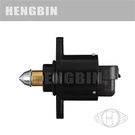
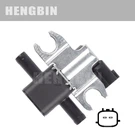

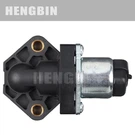

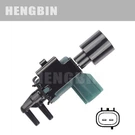
In the automotive industry, the Exhaust Gas Recirculation (EGR) system plays a crucial role in reducing nitrogen oxide (NOx) emissions. At the heart of this system lies the EGR vacuum solenoid valve, a component that controls the flow of exhaust gases back into the engine's intake manifold. As a supplier of EGR vacuum solenoid valves for Nissan vehicles, I've witnessed firsthand the impact of a malfunctioning valve on a car's performance, particularly in terms of fuel economy.
Understanding the EGR System and Its Function
The EGR system is designed to lower combustion temperatures by recirculating a portion of the exhaust gases back into the engine cylinders. This process reduces the formation of NOx, which is a harmful pollutant that contributes to smog and acid rain. The EGR vacuum solenoid valve is responsible for regulating the flow of exhaust gases based on the engine's operating conditions. When the valve is functioning correctly, it allows the right amount of exhaust gas to enter the intake manifold, optimizing combustion and reducing emissions.
How a Bad EGR Vacuum Solenoid Valve Affects Fuel Economy
A bad EGR vacuum solenoid valve can have a significant impact on a Nissan's fuel economy. Here's how:
1. Incorrect Exhaust Gas Flow
When the EGR vacuum solenoid valve fails, it may not open or close properly. If the valve is stuck open, too much exhaust gas will enter the intake manifold. This dilutes the air-fuel mixture, making it leaner than normal. A lean mixture can cause the engine to misfire, run rough, and ultimately reduce power. To compensate for the loss of power, the engine may require more fuel to maintain the same level of performance, leading to poor fuel economy.
Conversely, if the valve is stuck closed, no exhaust gas will be recirculated into the intake manifold. This can cause the combustion temperatures to rise, leading to increased NOx emissions and potentially damaging the engine over time. In some cases, the engine's computer may detect the abnormal conditions and adjust the fuel injection system to compensate, which can also result in higher fuel consumption.
2. Engine Misfires
A malfunctioning EGR vacuum solenoid valve can also cause engine misfires. Misfires occur when the air-fuel mixture in one or more cylinders fails to ignite properly. This can be caused by a variety of factors, including a lean air-fuel mixture, a faulty ignition system, or a problem with the EGR system. When an engine misfires, it not only reduces power and performance but also wastes fuel. The unburned fuel is expelled through the exhaust system, resulting in decreased fuel economy.
3. Increased Emissions
As mentioned earlier, a bad EGR vacuum solenoid valve can lead to increased NOx emissions. In addition to being harmful to the environment, high NOx emissions can also trigger the vehicle's onboard diagnostic system (OBD). When the OBD detects a problem with the EGR system, it will illuminate the check engine light. In some cases, the vehicle may also fail an emissions test. To pass the test and reduce emissions, the EGR system may need to be repaired or replaced, which can be costly. Additionally, the increased emissions can indicate that the engine is not operating efficiently, which can further contribute to poor fuel economy.


Signs of a Bad EGR Vacuum Solenoid Valve
There are several signs that you may have a bad EGR vacuum solenoid valve in your Nissan. These include:
- Check Engine Light: As mentioned earlier, a malfunctioning EGR vacuum solenoid valve can trigger the check engine light. The OBD system may detect a problem with the EGR system and store a diagnostic trouble code (DTC) in its memory. A mechanic can use a scan tool to retrieve the DTC and determine the exact cause of the problem.
- Poor Fuel Economy: If you notice a sudden decrease in your Nissan's fuel economy, it could be a sign of a bad EGR vacuum solenoid valve. As discussed earlier, a malfunctioning valve can cause the engine to run inefficiently, resulting in higher fuel consumption.
- Engine Misfires: Engine misfires can be caused by a variety of factors, including a bad EGR vacuum solenoid valve. If you experience rough idling, hesitation, or a loss of power while driving, it could be a sign of an engine misfire.
- Increased Emissions: A bad EGR vacuum solenoid valve can lead to increased NOx emissions. If your Nissan fails an emissions test or you notice a strong smell of exhaust coming from the vehicle, it could be a sign of a problem with the EGR system.
Solutions for a Bad EGR Vacuum Solenoid Valve
If you suspect that your Nissan has a bad EGR vacuum solenoid valve, it's important to have it diagnosed and repaired as soon as possible. Here are some solutions:
1. Replacement
The most common solution for a bad EGR vacuum solenoid valve is to replace it. As a supplier of EGR Vacuum Solenoid Valve K5T48592 Is Suitable for Various Automotive Models, Such As Nissan, I can provide high-quality replacement valves that are designed to meet or exceed the original equipment manufacturer (OEM) specifications. When replacing the valve, it's important to use a genuine or high-quality aftermarket part to ensure proper fit and function.
2. Cleaning
In some cases, a dirty or clogged EGR vacuum solenoid valve can be cleaned rather than replaced. This can be done using a specialized cleaning solution and a small brush. However, cleaning the valve may not always be effective, especially if the valve is severely damaged or worn. It's important to note that cleaning the valve should only be attempted by a qualified mechanic or someone with experience working on automotive engines.
3. Professional Diagnosis
If you're not sure whether your Nissan's EGR vacuum solenoid valve is the cause of the problem, it's best to have the vehicle diagnosed by a professional mechanic. A mechanic can use specialized tools and equipment to test the valve and determine if it's functioning correctly. They can also check for other potential problems with the EGR system, such as a clogged EGR passage or a faulty EGR temperature sensor.
Other EGR Vacuum Solenoid Valves We Offer
In addition to the EGR Vacuum Solenoid Valve K5T48592 Is Suitable for Various Automotive Models, Such As Nissan, we also offer a wide range of EGR vacuum solenoid valves for other automotive models. For example, our EGR Vacuum Solenoid Valve K5T48486 Is Suitable for Various Automotive Models Such As ford and EGR Vacuum Solenoid Valve K5T48478 Suitable for Various Automotive Models Such As Subaru are designed to provide reliable performance and long-lasting durability.
Conclusion
A bad EGR vacuum solenoid valve can definitely cause poor fuel economy in a Nissan. By understanding how the EGR system works and the signs of a malfunctioning valve, you can take steps to diagnose and repair the problem before it leads to more serious issues. As a supplier of EGR vacuum solenoid valves for Nissan vehicles, I'm committed to providing high-quality products and excellent customer service. If you're experiencing problems with your Nissan's EGR system or need a replacement valve, please don't hesitate to contact me for more information and to discuss your procurement needs.
References
- Bosch Automotive Handbook, 7th Edition
- Chilton's Nissan Repair Manual
- Haynes Nissan Service and Repair Manual