

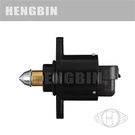
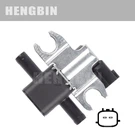

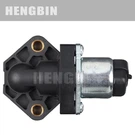

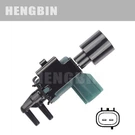
Hey there, fellow car enthusiasts! As a supplier of EGR vacuum solenoid valves for Nissan, I've seen my fair share of issues with these little but crucial components. Today, I'm gonna walk you through how to troubleshoot the EGR vacuum solenoid valve in a Nissan Altima.
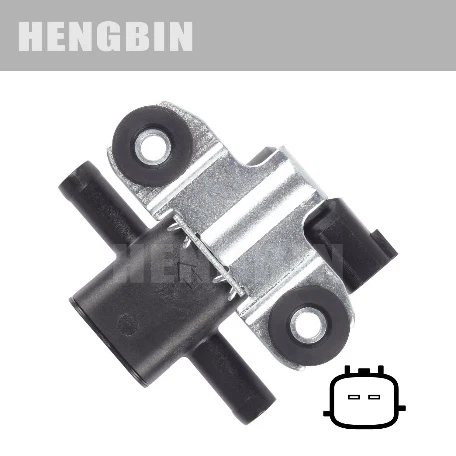
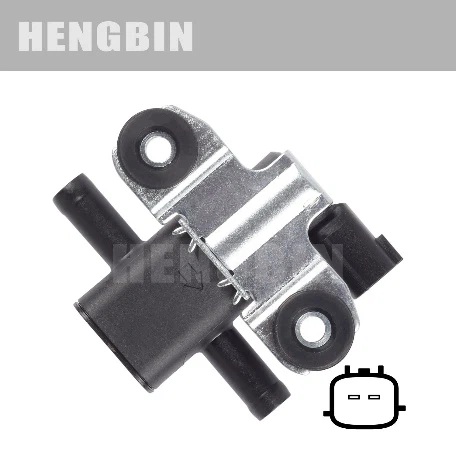
First off, let's understand what an EGR vacuum solenoid valve does. The Exhaust Gas Recirculation (EGR) system is designed to reduce nitrogen oxide emissions by recirculating a portion of the exhaust gases back into the engine's intake manifold. The vacuum solenoid valve controls the flow of vacuum to the EGR valve, which in turn regulates the amount of exhaust gas being recirculated. If this valve malfunctions, it can lead to a host of problems, including poor fuel economy, rough idle, and increased emissions.
Signs of a Faulty EGR Vacuum Solenoid Valve
Before you start troubleshooting, you need to know the signs that your EGR vacuum solenoid valve might be acting up. Here are some common symptoms:
- Check Engine Light (CEL): One of the most obvious signs is the illumination of the check engine light on your dashboard. The car's onboard diagnostic system (OBD) can detect issues with the EGR system and trigger the CEL. You can use an OBD scanner to retrieve the trouble codes, which will give you more information about the problem.
- Rough Idle: If your Nissan Altima is idling roughly or stalling, it could be due to a faulty EGR vacuum solenoid valve. A malfunctioning valve may cause the engine to receive too much or too little exhaust gas, disrupting the normal combustion process.
- Poor Fuel Economy: A decrease in fuel efficiency can also be a sign of a problem with the EGR system. When the EGR valve doesn't open or close properly, the engine may not be operating at its optimal efficiency, leading to increased fuel consumption.
- Increased Emissions: Since the EGR system is designed to reduce emissions, a faulty vacuum solenoid valve can cause your car to produce higher levels of nitrogen oxides (NOx). This can result in your vehicle failing an emissions test.
Tools You'll Need
To troubleshoot the EGR vacuum solenoid valve, you'll need the following tools:
- OBD Scanner: This tool is essential for retrieving trouble codes from your car's onboard diagnostic system. You can buy a basic OBD scanner at an auto parts store or borrow one from a friend.
- Multimeter: A multimeter is used to measure electrical resistance, voltage, and continuity. It's useful for testing the electrical connections and components of the EGR vacuum solenoid valve.
- Vacuum Pump: A vacuum pump allows you to manually apply vacuum to the EGR valve and check its operation. You can find a vacuum pump at most auto parts stores.
- Screwdrivers and Wrenches: You'll need these basic hand tools to remove the necessary components to access the EGR vacuum solenoid valve.
Step-by-Step Troubleshooting Process
Now that you have an idea of the signs and the tools you need, let's dive into the troubleshooting process.
Step 1: Locate the EGR Vacuum Solenoid Valve
The EGR vacuum solenoid valve is usually located near the engine's intake manifold or the EGR valve itself. In a Nissan Altima, you can refer to your vehicle's service manual to find the exact location. It's typically a small, rectangular or circular component with electrical connectors and vacuum hoses attached to it.
Step 2: Inspect the Vacuum Hoses
Start by visually inspecting the vacuum hoses connected to the EGR vacuum solenoid valve. Look for any signs of cracks, leaks, or loose connections. A damaged or disconnected hose can prevent the proper flow of vacuum to the EGR valve. If you find any issues, replace the damaged hoses or reconnect them securely.
Step 3: Check the Electrical Connections
Next, check the electrical connections to the EGR vacuum solenoid valve. Make sure the connectors are clean, tight, and free of corrosion. You can use a multimeter to test the voltage at the solenoid valve's electrical connector. With the ignition on and the engine off, you should see battery voltage (around 12 volts) at the connector. If there's no voltage, there may be a problem with the wiring or the vehicle's electrical system.
Step 4: Test the Solenoid Valve's Resistance
Use a multimeter to measure the resistance of the EGR vacuum solenoid valve. Set the multimeter to the ohms setting and connect the probes to the solenoid valve's electrical terminals. The resistance value should be within the specifications provided in your vehicle's service manual. If the resistance is outside the specified range, the solenoid valve may be faulty and need to be replaced.
Step 5: Apply Vacuum to the Valve
Using a vacuum pump, apply vacuum to the EGR vacuum solenoid valve. You should be able to hear a clicking sound as the valve opens and closes. If you don't hear the clicking sound or if the valve doesn't respond to the vacuum, it's likely defective.
Step 6: Check the EGR Valve
If the EGR vacuum solenoid valve tests okay, the problem may lie with the EGR valve itself. You can use the vacuum pump to apply vacuum directly to the EGR valve and check its operation. The valve should open and close smoothly when vacuum is applied. If the EGR valve is stuck open or closed, it will need to be cleaned or replaced.
Replacing the EGR Vacuum Solenoid Valve
If you've determined that the EGR vacuum solenoid valve is faulty, it's time to replace it. Here's how you can do it:
- Disconnect the Battery: Before you start working on the valve, disconnect the negative terminal of the battery to prevent any electrical shorts.
- Remove the Old Valve: Use a screwdriver or wrench to remove the bolts or clips holding the EGR vacuum solenoid valve in place. Disconnect the electrical connectors and vacuum hoses from the valve.
- Install the New Valve: Install the new EGR vacuum solenoid valve in the reverse order of removal. Make sure to connect the electrical connectors and vacuum hoses properly.
- Reconnect the Battery: Once the new valve is installed, reconnect the negative terminal of the battery.
Replacement Options
If you're in the market for a new EGR vacuum solenoid valve, we've got you covered. We offer a wide range of high-quality EGR vacuum solenoid valves that are suitable for various automotive models. For example, our EGR Vacuum Solenoid Valve MN187611 Is Suitable for Various Automotive Models Such As Outlander and EGR Vacuum Solenoid Valve 3S4Z-9J559-AA Suitable for Various Automotive Models Such As Mazda are designed to meet or exceed OEM specifications. And if you own an Infiniti, our EGR Vacuum Solenoid Valve K5T45873 Is Suitable for Various Automotive Models Such As Infiniti is a great option.
Conclusion
Troubleshooting the EGR vacuum solenoid valve in a Nissan Altima may seem daunting at first, but with the right tools and a little know-how, you can diagnose and fix the problem yourself. Remember to always follow safety precautions when working on your vehicle, and if you're not comfortable doing the repairs, it's best to take your car to a qualified mechanic.
If you're facing issues with your EGR vacuum solenoid valve or are interested in purchasing a replacement, don't hesitate to get in touch with us. We're here to help you keep your Nissan Altima running smoothly and efficiently. Whether you need advice on troubleshooting or are ready to place an order, we're just a message away. Let's start the conversation and find the best solution for your car's needs.
References
- Nissan Altima Service Manual
- Automotive Repair Manuals
- Online automotive forums and communities