

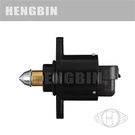

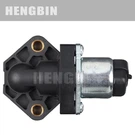

As a supplier of idle motors suitable for VW engines, I often encounter questions from customers regarding the proper functioning and maintenance of these crucial components. One of the most common queries is about how to check the idle motor's rotational direction in VW engines. In this blog post, I will share some insights and practical steps to help you accurately determine the rotational direction of the idle motor in VW engines.


Understanding the Role of the Idle Motor in VW Engines
Before delving into the process of checking the rotational direction, it's essential to understand the role of the idle motor in VW engines. The idle motor, also known as the idle air control valve (IACV), plays a vital role in regulating the engine's idle speed. It controls the amount of air that bypasses the throttle plate, allowing the engine to maintain a stable idle speed under various conditions, such as when the air conditioning is on, the power steering is engaged, or the electrical load is high.
A properly functioning idle motor ensures smooth engine operation, improved fuel efficiency, and reduced emissions. However, if the idle motor is not working correctly or is installed with the wrong rotational direction, it can lead to a variety of issues, including rough idling, stalling, and poor performance.
Tools and Precautions
Before you begin checking the idle motor's rotational direction, gather the necessary tools and take some precautions to ensure your safety and the accuracy of the test. Here are the tools you will need:
- Multimeter: This tool is used to measure electrical voltage, resistance, and continuity. It is essential for testing the electrical connections and signals of the idle motor.
- Socket set: You will need a socket set to remove the bolts and connectors that secure the idle motor to the engine.
- Service manual: A VW service manual specific to your vehicle's make and model is highly recommended. It provides detailed information about the engine's components, electrical system, and troubleshooting procedures.
Precautions:
- Disconnect the battery: Before working on the electrical components of the engine, disconnect the negative terminal of the battery to prevent electrical shock and damage to the vehicle's electrical system.
- Allow the engine to cool: The engine can become very hot after running. Allow it to cool down completely before attempting to access the idle motor to avoid burns.
- Handle the idle motor with care: The idle motor is a delicate component. Avoid dropping or mishandling it, as this can damage the internal parts and affect its performance.
Step-by-Step Guide to Checking the Idle Motor's Rotational Direction
Step 1: Locate the Idle Motor
The idle motor is typically located on or near the throttle body of the engine. Refer to your vehicle's service manual to find the exact location of the idle motor in your VW engine. Once you have located the idle motor, visually inspect it for any signs of damage, such as cracks, leaks, or loose connections.
Step 2: Remove the Idle Motor
Using the socket set, carefully remove the bolts and connectors that secure the idle motor to the engine. Take note of the position and orientation of the connectors and any gaskets or seals to ensure proper reinstallation later.
Step 3: Identify the Electrical Connections
The idle motor has two or more electrical connections, which are used to supply power and control signals. Refer to the service manual to identify the correct terminals for testing. In most cases, one terminal is for power (usually a constant 12-volt supply), and the other is for the control signal from the engine control unit (ECU).
Step 4: Test the Electrical Signals
Using the multimeter, set it to the appropriate voltage or resistance setting, depending on the type of test recommended in the service manual. Connect the multimeter probes to the corresponding terminals of the idle motor.
- Power supply: Check the voltage at the power terminal. It should read close to 12 volts when the ignition is on. If there is no voltage, check the fuse, relay, and wiring for any faults.
- Control signal: The control signal from the ECU is typically a pulsed voltage signal. Use the multimeter to measure the voltage or resistance at the control terminal while the engine is running. Compare the readings with the specifications in the service manual. If the readings are outside the normal range, there may be an issue with the ECU or the wiring.
Step 5: Check the Rotational Direction
To check the rotational direction of the idle motor, you can use a simple test. Connect a 12-volt power source (such as a battery) to the power terminal of the idle motor, and connect the control terminal to a ground source. This will simulate the control signal from the ECU and cause the idle motor to move.
- Observe the movement: As the power is applied, observe the movement of the idle motor's shaft or plunger. The idle motor should rotate or move in a specific direction, as indicated in the service manual. If the idle motor moves in the opposite direction, it may be installed incorrectly or have a wiring issue.
- Reverse the connections: If the idle motor moves in the wrong direction, try reversing the connections at the control terminal. This may correct the rotational direction. However, if the problem persists, there may be a more serious issue with the idle motor or the ECU.
Step 6: Reinstall the Idle Motor
Once you have confirmed the correct rotational direction of the idle motor, reinstall it back onto the engine. Make sure to tighten the bolts securely and reconnect the electrical connectors properly. Replace any gaskets or seals that were removed during the disassembly process.
Step 7: Test the Engine
After reinstalling the idle motor, reconnect the battery and start the engine. Observe the engine's idle speed and performance. If the engine idles smoothly and the idle speed is within the normal range, the idle motor is likely working correctly. However, if there are still issues, such as rough idling or stalling, further troubleshooting may be required.
Common Issues and Troubleshooting
- Incorrect installation: If the idle motor is installed with the wrong rotational direction, it can cause the engine to idle poorly or stall. Make sure to double-check the installation and follow the service manual's instructions carefully.
- Wiring problems: Faulty wiring, loose connections, or damaged connectors can affect the electrical signals to the idle motor, leading to incorrect operation. Inspect the wiring harness for any signs of damage, such as frayed wires or corroded terminals, and repair or replace as necessary.
- ECU issues: The engine control unit (ECU) is responsible for sending the control signals to the idle motor. If the ECU is malfunctioning, it may send incorrect signals or no signals at all, causing the idle motor to behave erratically. In this case, professional diagnostic equipment may be required to diagnose and repair the ECU.
- Mechanical problems: The idle motor's internal components, such as the shaft, plunger, or gears, can wear out or become damaged over time. If the idle motor is making unusual noises or is not moving smoothly, it may need to be replaced.
Our Products
As a supplier of idle motors suitable for VW engines, we offer a wide range of high-quality products to meet your needs. Our idle motors are designed and manufactured to meet or exceed the original equipment manufacturer (OEM) specifications, ensuring reliable performance and long-lasting durability.
- Idle Motor 9944470 Is Suitable for Various Automotive Models Such As ford
- Idle Motor 17113635 Is Suitable for Various Automotive Models Such As SATURN
- Generic IDLE AIR CONTROL VALVE 11125 Is Suitable for All Kinds Of Automotive Models
Contact Us for Procurement
If you are interested in purchasing our idle motors or have any questions about checking the rotational direction of the idle motor in VW engines, please feel free to contact us. We have a team of experienced professionals who can provide you with expert advice and support. We look forward to working with you and helping you keep your VW engines running smoothly.
References
- Volkswagen Service Manuals
- Automotive Repair Manuals and Guides
- Technical Bulletins from Volkswagen and Related Manufacturers